The Role of Fat Soluble Vitamins in Pathogenic Infection
Fat soluble vitamin sequestration happens in response to pathogenic colonization or infection. It can also happen in response to high levels of stress, chronic low-level stress, or suppressed anger. When the fat soluble vitamins are held in storage in the liver without being released on an as-needed basis, the body seems to be in a vitamin deficient state. When, for example, vitamin D and vitamin A are sequestered and the body experiences a functional deficiency as a result, nutrients like iodine, for example, won’t be able to do the work of balancing immune system response. Iodine receptors tend to coexist with vitamin A and vitamin D receptors such that if vitamin A or vitamin D is deficient, iodine, if present, may not be able to do what it needs to do in the body to maintain immune system function among other things.
Click here to schedule a health coaching session with us.
Vitamin A
Vitamin A is just one of the fat soluble vitamins that can be sequestered during illness. It tends to be present in large reserves with about a 3 month supply stored in the body at any given time. In the blood supply, retinol levels are kept relatively constant when a person is in a state of health. The retinol supply in the liver is used to maintain a nearly constant level of this vitamin in the blood on a day-to-day, hour-to-hour basis. Vitamin A levels in the blood supply only drop when there’s a vitamin A deficiency that’s severe enough for the liver retinol reserve to be depleted.In other words, if serum retinol levels become low, liver retinol levels were already depleted. Diseases like measles that develop into severe, complicated forms, happen when the disease is already fairly advanced. That being said, rapid depletion of vitamin A can occur as a result of a persistent or prolonged viral load, a high fever, or due to catabolic destruction in the body.
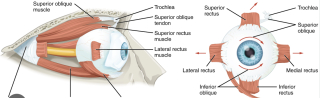
Vitamin A deficiency is associated with immune system malfunction and eye impairments. Indeed, scientists noted during the COVID-19 pandemic that retinol depletion and impaired retinoid signaling played a role in pathogenesis of the infection. During COVID, vitamin A deficiency plays a role in the dysregulation of the immune system and inflammation. Studies regarding COVID infection showed that viral RNA recognition mechanisms in the body can use up the body’s retinoid reserves quickly.
Black currants and barbarries are two food-based herbal remedies for viral illness that can be consumed to help maintain vitamin A levels during infection in order to prevent severe manifestations of disease.
Click here to learn more and subscribe to the Living Database now.
Vitamin D
Vitamin D deficiency is associated with osteomalacia, rickets, muscle weakness, and falls. Vitamin D is produced in the skin naturally when the skin is exposed to sunlight. It is activated to become vitamin D2 in the liver and then it is activated to become vitamin D3 in the kidneys. Vitamin D3 is most active in the intestines where is promotes the passage of calcium from the diet into the bloodstream. As such, vitamin D plays a role in energy metabolism as well as bone health.Vitamin D can be administered as a supplement that’s detrimental to human health if the body is not also receiving vitamin K2 to move calcium from the blood supply into bones and teeth.
Vitamin E
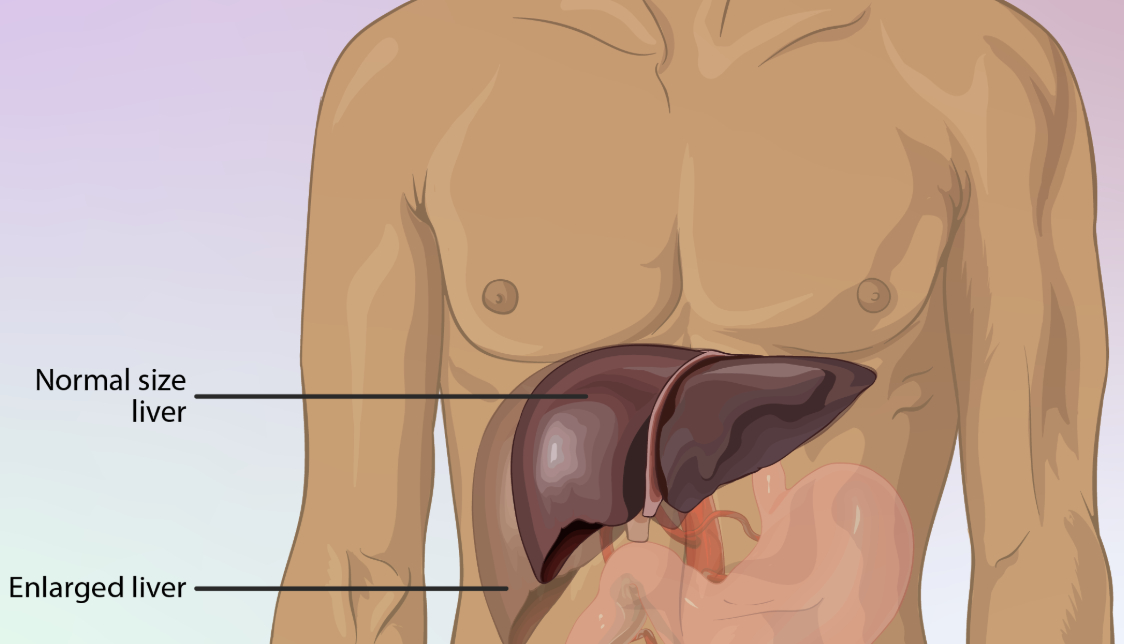
Excess liver fat is correlated with dysregulation of vitamin E levels in the body. Vitamin E sequestration tends to co-occur with liver disease and some scientists have speculated that excess vitamin E in the liver drives liver disease.Vitamin E deficiencies are associated with hemorrhagic forms of disease and osteopenia. For example, studies have shown that Ebola patients have better outcomes when supplementation with vitamin A and vitamin E (as well as water-soluble vitamin C) is administered as soon as patients are diagnosed.
Click here to subscribe to the Chlorine Dioxide Protocols Database.
Vitamin K1, and K2
Vitamin D and vitamin K2 work together to promote healthy bones and teeth. Vitamin K1, in contrast, promotes healthy blood. Vitamin K2 is found naturally in the fermented food known as natto. Vitamin K2 is directly responsible for improving bone density and heart health. Vitamin K2 makes sure that calcium is stored in bones and teeth versus being stored in blood vessels where is can cause cardiovascular disease.Vitamin K1, in contrast, is found in green, leafy vegetables. It activates liver proteins that regulate blood clotthing. This fat-soluble vitamin plays a role in infectious diseases like Ebola and other hemorrhagic fevers that target the liver. The Ebola virus, for example, targets the liver where vitamin K-dependent proteins are produced so that the body can produce an appropriate blood-clotting sequence on an as-needed basis.
As with other severe infectious diseases, the use of micronutrient supplementation is recommended for all of the fat-soluble vitamins as a foundational treatment to prevent negative health outcomes. Barberry or black currant extracts or tinctures are good to administer as micronutrient treatments to prevent bad outcomes as a result of fat-soluble vitamin sequestration.
Click here to buy Barberry tincture.
Resources:
• Ramirez, L. A. et al. (2021). The administration of an extract from Berberis microphyllla stimulates energy expenditure, thermogenesis, and mitochondrial dynamics in mice brown adipose tissue. Retrieved February 19, 2026 from https://researchers.unab.cl/es/publications/the-administration-of-an-extract-from-berberis-microphylla-stimul/#:~:text=Huella%20*%20Berberis%20microphylla%20Agricultura%20y%20biolog%C3%ADa,*%20heat%20production%20Agricultura%20y%20biolog%C3%ADa%2056%25
• Andres, E. et al. (2024). Fat-Soluble Vitamin A, D, E, and K: Review of the Literature and Points of Interest for the Clinician. Retrieved February 19, 2026 from https://pmc.ncbi.nlm.nih.gov/articles/PMC11242131/
• Violet, P. C. et al. (2020). Vitamin E sequestration by liver fat in humans.Retrieved February 19, 2026 from https://pmc.ncbi.nlm.nih.gov/articles/PMC7030816/