Heat Exposure, Brown Fat, and Fever
This idea is worth noting in terms of the natural cycles of climate change that involve parts of the cycle when the world is hotter and parts of the cycle that are colder. At this moment in history (mid-2020s), we’re in the hottest part of the solar cycle which means that people are low on brown fat cells. Overall, the hotness of the world right now would lead to health problems that pertain to having lower levels of brown fat. To overcome these problems, cold-exposure and herbal medicines are needed.
Click here to schedule a health coaching session with us.
Brown fat can adapt to new conditions. If a person loses their brown fat and is then exposed to a cold climate or cold daily showers, for example, brown fat re-appears. This is significant because under high-heat conditions for a prolonged period of time, brown fat can disappear which can, theoretically predispose a person to severe mental health issues (as we’ve discussed previously) and certain physical health problems too. Even consistent exposure to a well-heated home or a long-term care facility can lead to metabolic issues and poor mental health.Cold exposure has a balancing effect on mental health and physiological health. Through cold exposure, white fat cells that are storing fat-soluble vitamins can release these vitamins through the process of “browning” wherein white fat cells turn into “beige” or “brite” adipose tissue (on their way to becoming brown fat cells.).
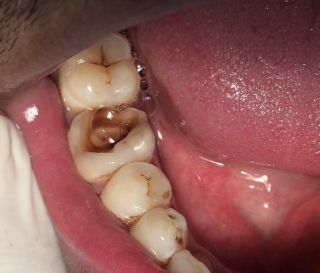
Studies show that for every 5°C increase in average outdoor temperature, there is a 1% decrease in active brown fat in the body. Without brown fat, our bodies may sequester fat-soluble nutrients that are absolutely essential in order for the immune system to work properly (for example, the fat-soluble vitamins A and D often coexist with iodine receptors in the body such that a deficiency in any one of these nutrients can lead to a functional deficiency of all of them). Fat-soluble nutrient sequestration can lead to structural issues and major health problems related to our bones and teeth. A lack of cold exposure and over-exposure to heat can worsen these issues.
In regard to fever-production, a lack of brown adipose tissue would weaken the body’s ability to do non-shivering thermogenesis.
Become an Expert. Do our "Heal Your Teeth" Video Course Series Online.
Adiponectin
When brown fat is activated through cold exposure, adiponectin levels increase. Adiponectin is a hormone that’s released by brown fat tissues. It plays an important role in blood sugar levels, fatty acid breakdown, and insulin sensitivity. Adiponectin has anti-inflammatory, anti-fibrotic, and antioxidant effects that promote energy balance and cardiovascular health in particular. Just two hours of cold exposure increases circulating adiponectin in adult men by 70%. Higher circulating adiponectin is associated with longevity and general health.
Adiponectin is derived from fat cells. It modulates inflammation and the immune response. Levels of adiponectin might be altered during infection (it might go up or go down during severe viral infections). As we’ve already discussed, insulin resistance can take shape during a fever, which might be related to adiponectin levels during illness.
Irisin
Irisin is a myokine. In other words, it’s derived from muscle cells. Irisin promotes insulin sensitivity, lean muscle mass, and bone density. It plays a role in thermogenesis with levels increasing in response to heat exposure or to certain fever-inducing infections. Cold exposure increases irisin levels and it provides many of the same benefits as exercise.Irisin promotes the browning of white adipose tissues to increase heat production in the body in a general way. It increases uncoupling protein-1 (UCP-1) in brown adipose tissues. Some studies have indicated that irisin levels may increase in response to heat exposure in absence of fever. In other words, if a patients spent time in an infrared sauna such that their internal body temperature increase, irisin levels might increase in a manner similar to how they would increase in response to a fever.
Click here to learn more and subscribe to the Living Database now.
Fibroblast Growth Factor 21 / FGF-21
Brown fat boosts production of fibroblast growth factor 21 / FGF-21, a substance in the human body that promotes longevity. Brown fat activation through cold exposure up-regulates FGF-21 by up to 37% in humans. FGF-21 improves glucose metabolism and insulin sensitivity.As a peptide-hormone that’s secreted by the liver during times of stress, FGF-21 acts to regulate the lipid metabolism and glucose uptake. As such this peptide-hormone improves insulin sensitivity while reducing fatty liver disease during infection. FGF-21 generally has a stabilizing effect on body temperature, but it does play a role in increasing body temperature during illness.
Sirtuin-1 / SIRT1
Sirtuin 1 / SIRT1 regulates immunity and inflammation by influencing how the body reacts to infection-related fevers. It mitigates excessive inflammation. Cold exposure also increases SIRT1 activity in skeletal muscle and brown adipose tissue.
Elevated levels of SIRT1 is associated with longevity and good health in part through its ability to improve insulin sensitivity and glucose control in skeletal muscles. SIRT1 can trigger the browning of white fat and an increase in brown fat activity.
Click here to subscribe to the Chlorine Dioxide Protocols Database.
Resources:
• Tang, K. et al. (2017). Sustained High Levels of Both Total and High Molecular Weight Adiponectin in Plasma during the Convalescent Phase of Haemorrhagic Fever with Renal Syndrome Are Associated with Disease Severity. Retrieved April 14, 2026 from https://pubmed.ncbi.nlm.nih.gov/28424792/
• Park, T. H. et al. (2021). Effect of Heat Stimulation on Circulating Irisin in Humans. Retrieved April 14, 2026 from https://www.frontiersin.org/journals/physiology/articles/10.3389/fphys.2021.675377/full