DMSO: Heal Brain and Spinal Cord Injury
 The fact that administration of DMSO is not one of the first treatments given to patients with traumatic brain injury, stroke, or spinal cord injuries is one of the great tragedies of modern, conventional medicine.
Dimethyl sulfoxide (DMSO) has noteworthy effects on the brain and spinal cord tissues following an injury. In Oregon, Dr. Stanley Jacob has used DMSO to facilitate remarkable recoveries in patients following traumatic brain injury, spinal cord injury, and stroke. The sooner DMSO can be administered in high doses following traumatic brain injury, spinal cord injury, or stroke, the better the patient outcomes are likely to be. Unfortunately, many doctors are not familiar with the use of DMSO to prevent paralysis after spinal cord injury or to prevent memory loss or loss of function after stroke or traumatic brain injury. Nonetheless, patients can ask their doctor if they would be willing to administer DMSO via IV or patients can administer DMSO topically to the skin (although caregivers need to make sure that the patient is not on a medication that would be potentiated by topical DMSO application).

Click here to schedule a health coaching session with us.
DMSO has been used successfully to treat all of the following central nervous system injuries and complications:- Acute extradural mass-forming lesions
- Middle cerebral artery occlusion
- Respiratory anoxia
- Spinal cord injury
- Spinal cord ischemia-reperfusion injury
- Brain injury
- Stroke
- Transient Ischemic Attack
- Brain edema
- Intracranial Pressure
The mechanisms of action by which DMSO affects nervous system tissues have been explored through a number of studies as well as in clinical settings. DMSO has antioxidant effects. It works as a sodium-channel blocker while lowering the amount of glutamate released following nervous system tissue injury. DMSO thins the blood just slightly to improve blood flow to areas of the brain or spinal cord that have been injured, but it also reduces intracranial pressure to prevent damage to nervous system structures such as the brain and spinal cord as a result of inflammation or tissue fluid accumulation. DMSO improves memory and learning when administered orally twice daily at a dose of 67.5 mg/kg of the patient’s body weight. Ideally though, DMSO should be administered intravenously at high doses as soon as possible after injury occurs.

Click here to learn more and subscribe to the Living Database now.
DMSO as a Treatment for Intracranial Pressure
DMSO is an over-the-counter, FDA approved medicine that has been used successfully in scientific studies to treat severe closed head injuries that result in brain edema, inflammation, and intracranial pressure. In these studies, patients who were determined to have severe closed head injuries, brain edema, and intracranial pressure were administered DMSO. In all cases, DMSO rapidly reduced intracranial pressure while increasing cerebral perfusion pressure and blood flow to brain tissues to improve patient outcomes.
DMSO is able to reduce intracranial pressure in closed head injuries without impacting systemic blood pressure levels. In one study, 9 out of 10 patients were more responsive as a result of treatment with DMSO following the development of intracranial pressure. Administration of DMSO for increased intracranial pressure improves blood flow to the brain tissues while at the same time reducing inflammation in the brain. It does this work without increasing blood pressure throughout the body.
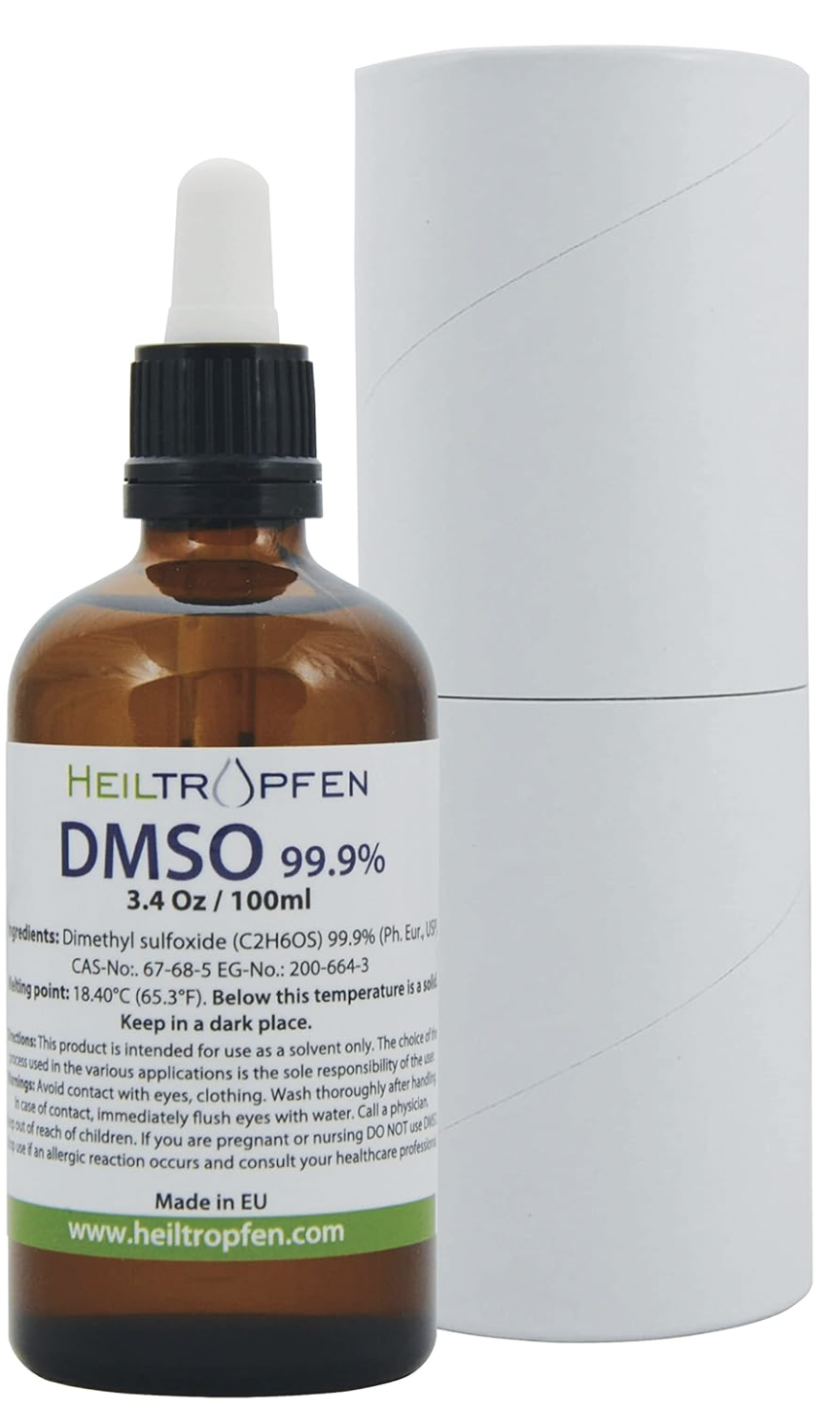
Click here to buy Pharmaceutical Grade DMSO.
DMSO as a Treatment for Traumatic Brain Injury
Traumatic brain injury happens as a result of a sudden, violent blow to the head. When the brain is injured, treating inflammation and reducing brain edema is a first priority to prevent the brain from being injured by an increase in intracranial pressure. DMSO reduces intracranial pressure, improves blood flow to injured brain tissues, but it also has the ability to suppress the release of excess glutamate that can be toxic to brain cells following brain injury. DMSO also reduces the risk of blood clots developing in brain tissues while inhibiting vascular smooth muscle cell migration that can lead to proliferation and atherosclerosis (hardening and plaque buildup in the blood vessels) in cerebral, coronary, or peripheral circulation. The development of atherosclerosis, in turn, causes further reduction in blood flow which leads to additional injury.The administration of DMSO immediately or shortly after brain injury can reduce the risk of complications developing as a result of the brain injury. Patient outcomes are improved when patients receive DMSO treatment as soon as possible following brain injury, ideally within 2 hours of the initial injury.
DMSO for Spinal Cord Injury
A number of studies in animals and rabbits have shown that DMSO has protective effects in spinal cord injuries and spinal cord ischemia-reperfusion injuries. DMSO, when administered in high doses intravenously, has been used to make it possible for severe spinal cord injuries to heal. Dr. Stanley Jacobs demonstrated that if a patient with a severe spinal cord injury is treated with intravenous DMSO within 2 hours of the injury, it may be possible to prevent paralysis. Treatment with DMSO for spinal cord injury consists of 1-2 grams of DMSO per kilogram of the patient’s body weight in a 28-40% solution of DMSO diluted with physiologic grade saline or 5% dextrose with water.DMSO for Stroke and Transient Ischemic Attack
As a treatment for stroke, DMSO has neuroprotective effects that can prevent additional tissue damage from occurring after the original stroke occurs. It works at the cellular and subcellular levels to promote the healing of brain tissue after stroke or transient ischemic attack (TIA).Studies have shown that drugs that block sodium influx into brain cells have a neuroprotective quality in animal models of stroke. DMSO is a sodium channel blocker that seems to have a neuroprotective effect following stroke that may be explained at least in part by its sodium-blocking abilities.
A lack of blood flow throughout the brain, especially in areas affected by stroke can cause additional damage. Studies have shown that lack of blood flow to stroke-affected areas of the brain creates memory deficits, astrocyte proliferation, and neuron loss. After DMSO treatment, rats recovered their memory and experienced a significant reduction in the loss of neurons when compared to untreated controls.
DMSO Administration for Head and Spinal Cord Injury
If your doctor does not agree to administer DMSO intravenously following a spinal cord injury, stroke, or traumatic brain injury, you can self-administer DMSO either topically via the skin or orally in drinking water. Administer DMSO topically to the spinal cord injury or to the area over the head injury, if possible. Do not re-apply gauze or bandages to the injury for 15-30 minutes after DMSO is administered to allow the DMSO to soak in completely without interacting with other substances in or on the bandage or gauze. Dilute the DMSO with filtered water to 50% to prevent it from over-drying the skin tissues. Note, that DMSO can increase the strength of certain medications so you shouldn't combine it with other drugs.
Click here to learn more about the DreamLight.app, a guided meditation and brain-entrainment tool that enlists the mind and spirit in the healing process to overcome major disease processes naturally.
DMSO and Frankincense Essential Oil for Traumatic Brain Injury, Spinal Cord Injury, and Stroke
In patients who were not given DMSO immediately following traumatic injury to the brain or spinal cord, DMSO may be combined with frankincense essential oil. Studies have shown that DMSO and Boswellia serrata / frankincense work well together and the use of frankincense essential oil for traumatic brain injury by itself significantly improves cognitive function.In a GLASS BOWL, put 10 drops of frankincense essential oil with 88 drops of hexane-free, organic, cold-pressed apricot kernel oil or grapeseed oil as a carrier oil. Add 2 drops of DMSO to this mixture. Apply directly over injured areas or over the entire body 3-4 times per day for 3-6 months.
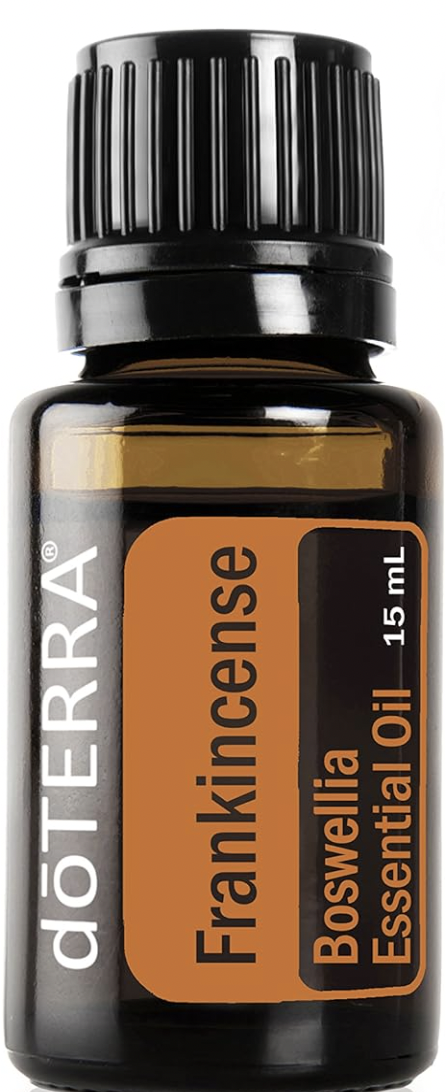
Click here to buy Frankincense Essential Oil.
High Concentration Molecular Hydrogen Water with DMSO for Traumatic Brain Injury, Spinal Cord Injury, and Stroke
It doesn’t matter whether you just suffered a stroke, traumatic brain injury or spinal cord injury or if it happened many years ago – high concentration molecular hydrogen water can protect the brain from additional damage and improve patient outcomes over time. High concentration molecular hydrogen water combines safely with DMSO though these two medicines don’t have to be taken together at the same time. Both reduce damage caused by free radicals and both improve the function of the nervous system.Administer high-concentration molecular hydrogen water twice daily. The water tastes the same as water that does not have a high concentration of molecular hydrogen in it. Nonetheless, this is a powerful at home treatment for traumatic brain injury and spinal cord injury. It is safe to take molecular hydrogen water while working with DMSO and/or frankincense essential oil.

Click here to buy a Molecular Hydrogen Generator.
Resources:
• Kulah, A. et al. (1990). Dimethyl sulfoxide in the management of patients with brain swelling and increased intracranial pressure after severe closed head injury. Retrieved December 14, 2023 from https://pubmed.ncbi.nlm.nih.gov/2290457/
• Jacob, S. W. and de la Torre, J. C. (2009). Pharmacology of dimethyl sulfoxide in cardiac and CNS damage. Retrieved December 14, 2023 from https://www.sciencedirect.com/science/article/abs/pii/S173411400970026X
• Turan, N. N. et al. (2008). How DMSO, a widely used solvent, affects spinal cord injury. Retrieved March 7, 2024 from https://pubmed.ncbi.nlm.nih.gov/18086517/
• De la Torre, J. C. et al. (1975). Dimethyl sulfoxide in central nervous system trauma. Retrieved March 10, 2024 from https://pubmed.ncbi.nlm.nih.gov/805558/
• Bulama, I. et al. (2022). Antioxidant-based neuroprotective effect of dimethylsulfoxide against induced traumatic brain injury in a rats model. Retrieved March 10, 2024 from https://pubmed.ncbi.nlm.nih.gov/36353489/
• Hu, H. W. et al. (2021). Role of hydrogen in traumatic brain injury: a narrative review. Retrieved March 10, 2024 from
https://www.ncbi.nlm.nih.gov/pmc/articles/PMC7954968/
• Chen, W. et al. (2021). Neuroprotective Effects of Molecular Hydrogen: A Critical Review. Retrieved March 10, 2024 from https://www.ncbi.nlm.nih.gov/pmc/articles/PMC7954968/