Cold Exposure, Brown Fat: Chronic Fever, Dental Problems, Bone Health, and Heart Health
Click here to schedule a health coaching session with us.
Though brown fat is rarely on the average person’s radar when we think about bone health or skeletal muscle health, this particular type of fat tissue plays an important role in metabolism, body mass / obesity, and the structural integrity of our bones and teeth. While white fat cells store energy, brown fat cells burn energy. Uncoupling Protein-1 (also known as thermogenin) diverts the energy that our bodies produce from cellular respiration into heat generation.The change from white to brown (known as “beige” fat cells) adipose tissue can be encouraged to develop under certain metabolic or climatic conditions. Brown fat cells that have been “induced” to develop through cold exposure from white fat stores, in particular, are associated with higher bone mineral density.
Cold exposure triggers a powerful sympathetic nervous system (fight-or-flight) response that causes the release of norepinephrine. Norepinephrine acts on beta-adrenergic receptors that activate brown adipose tissue which in turn, activates non-shivering thermogenesis. Exposure to cold drives adrenergic stimulation by inducing the uncoupling protein 1 genes to improve energy expenditure and promote fatty acid metabolism. Calibrated cold exposure can improve glycemic control through an increase in insulin sensitivity. Regular, frequent, and intentional full-body cold exposure works well in tandem with a ketogenic diet to cure diabetes type 1.
Cold exposure during fever can also improve insulin sensitivity so that cells receive nutrition and to keep blood sugar levels under control. Endotoxin fevers produce an increase in brain serotonin level. Serotonin acts in the brain as insulin acts throughout the rest of the body. Thus, MAOIs, SSRIs, and other serotonin-enhancing drugs that increase serotonin levels can potentiate a fever that’s caused by an endotoxin. In other words, for a child or an adult with a fever, a lukewarm bath that cools slowly over the course of a few minutes to lower body temperature might also promote insulin sensitivity and a willingness in a child to eat or drink something. On the other hand, an at-home treatment like methylene blue that kills pathogens might be dangerous during a fever because methylene blue is also an MAOI. As such, methylene blue could in some cases provoke a higher fever even though it has powerful antimicrobial effects. Methylene blue can be useful after a fever passes, but it should generally be avoided during a fever for this reason.
Become an Expert. Do our "Heal Your Teeth" Video Course Series Online.
Dental Problems and Chronic Fever: Things to Consider
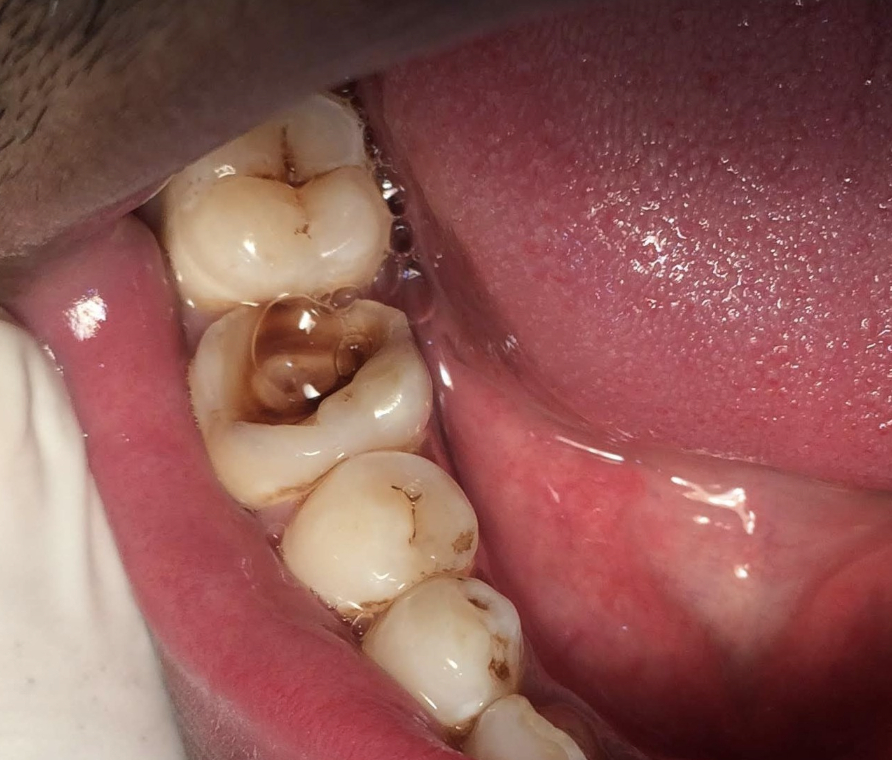
If you have had a chronic fever and serious dental problems or if you’ve simply noticed that your teeth are in a state of visible decay during an era in your life when you have chronic or intermittent fevers, note that dental issues can be related closely to pathogenic colonization, particularly in the ears, sinuses, head, and neck.
Dental problems can develop in response to nutrient sequestration, in particular. If you are not eating glycerin-containing foods or using toothpaste that contains glycerin, your teeth should be in a state of remineralization and healing anytime your mouth is slightly alkaline. But fat-soluble vitamin sequestration can prevent tooth remineralization such that a patient may develop serious dental health problems at the same time that they develop ongoing fevers and chronic symptoms of illness that might be misdiagnosed by doctors as a form of autoimmune disease.
Click here to learn more and subscribe to the Living Database now.
Heart issues that occur as a result of a build up of calcium in blood vessels (atherosclerosis or arteriosclerosis) almost always takes shape in tandem with the development of weak bone tissues or osteoporosis. Though many osteoporosis patients never end up being diagnosed with atherosclerosis or arteriosclerosis, a fair number do. Atherosclerosis / arteriosclerosis patients typically have weak bones though this problem also may not ever show up on the radar for patients. Both of these health issues (weak bones and calcium build up in the cardiovascular system) happen at the same time due to the same physiological imbalances that are sometimes provoked by pathogen colonies that are living in the body.
Dental problems, of course, relate to bone problems including, for example, low bone density, myeloma, or leukemia (to name just a few bone diseases). Yet, tooth and bone issues often take shape in a situation involving nutrient sequestration. This is a situation that can be remedied to a greater or lesser extent by cold exposure that helps the body convert storage-oriented white fat cells to brown adipose tissues as we’ve discussed elsewhere.
Resources:
• Walker, N. F. and Chiodini, P. L. (2018). Liver lesions in the returning traveler.
• Retrieved February 20, 2026 from https://www.sciencedirect.com/science/article/abs/pii/S1357303917302785#:~:text=Symptoms%20suggestive%20of%20a%20liver,may%20be%20the%20only%20sign.
• Hanssen, M. J. W. et al. (2015). Short-term cold acclimation improves insulin sensitivity in patients with type 2 diabetes mellitus. Retrieved February 20, 2026 from https://pubmed.ncbi.nlm.nih.gov/26147760/
• U.S. Department of Veteran Affairs (n.d.). Liver Disease.Retrieved February 20, 2026 from https://www.hepatitis.va.gov/basics/liver-disease-symptoms.asp
• Edgerton, D. S. et al. (2006). Insulin’s direct effects on the liver dominate the control of hepatic glucose production. Retrieved February 20, 2026 from https://pmc.ncbi.nlm.nih.gov/articles/PMC1359060/
• Li, M. et al. (2024). Brown adipose tissue facilitates the fever response following infection with Salmonella enterica serovar Typhimurium in mice. Retrieved January 26, 2026 from https://pubmed.ncbi.nlm.nih.gov/39128824/
• Krysa, S. J. and Brestoff, J. R. (2024). Brown fat fuels the fire in fever. Retrieved January 26, 2026 from https://www.sciencedirect.com/science/article/pii/S0022227524001639