Quinic Acid: Its Role in Digestive Health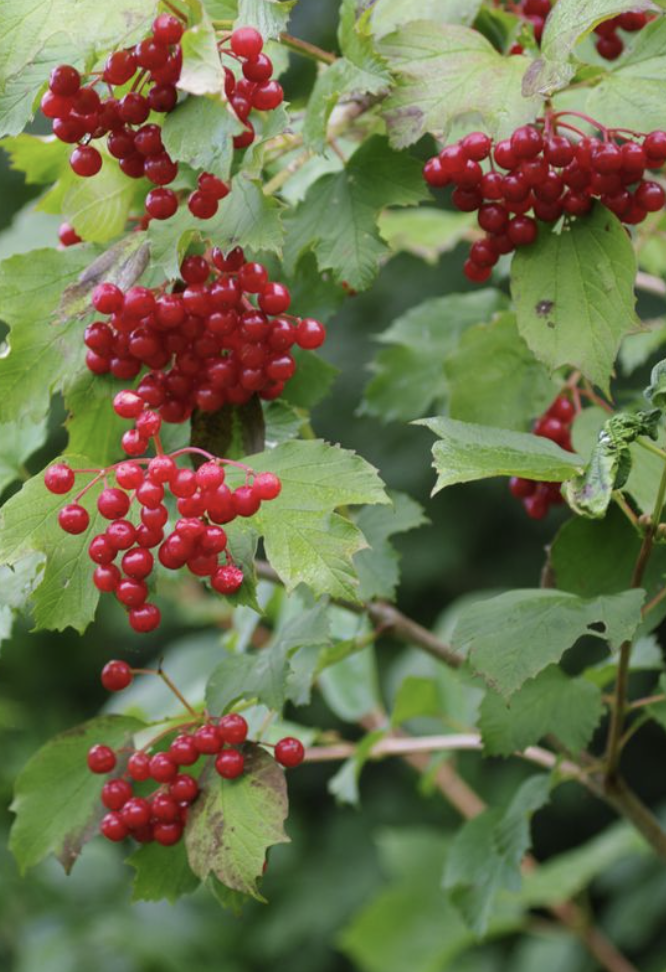
Our focus in this series of posts is about how to treat major childhood illnesses at home, but quinic acid as a substance found in certain plants and foods, is very broad in terms of its medicinal action. Quinic acid is one substance found in Cinchona officinalis, the tree that became famous centuries ago for its ability to treat malaria, but its antimalarial action is due to another medicinal substance: quinine. The Medical Establishment drew attention to quinine for malaria and most people still believe that quinine is only good for malaria, but that it is extremely dangerous. That's not the whole story though. While pharmaceutically-produced quinine might be dangerous, it is less dangerous and more friendly as a medicinal agent when quinine is administered in Cinchona officinalis, a very powerful and important plant medicine that contains both quinine and quinic acid, among other medicinal agents.
Though quinine is powerful medicine for hemolytic pathogens, quinic acid supports the digestive system among other things. In order to really understand the relevance of working with Cinchona officinalis as a whole plant medicine, you have to understand a bit about what quinic acid can do. Quinic acid influences how our bodies absorb other nutrients and medicines like quinine, for example.
Quinic acid is a cyclic polyol that belongs to the cyclitol class of organic, naturally occurring compounds. It is a cyclohexacarboxylic acid and a tertiary alcohol. Quinic acid is water soluble but when heated excessively it breaks down, as such, it’s best not to over heat your Cinchona officinalis decoction when you prepare this herb. Let the bark simmer on low heat for 15 to 20 minutes after bringing it to an initial boil.
Alkaline conditions also break down quinic acid, so keep this in mind if you’re heating a decoction or cooking a food item containing quinic acid or if you’re working with an alkalizing agent like baking soda or citric acid / lemon juice as a part of your protocol. These things can break down quinic acid, so you want to avoid them in order to avail yourself of the full value of this natural medicine.

Click here to schedule a health coaching call with us.
Quinic acid is often present in plants during the early stages of their maturation and then they partially convert to chlorogenic acids. Chlorogenic acids as derivatives of quinic acid are powerfully anti-inflammatory. Nonetheless, quinic acids themselves are water-soluble and they are bioavailable in teas and infusions as well as in freshly pressed juices. Quinic acids confer a sour or tart flavor to some foods and medicinal agents.Remember, it’s not just Cinchona officinalis that produces quinic acid in the plant kingdom. Viburnum opulus (Guelder Rose / Cramp Bark) as well as coffee plants produce quinic acid too. While quinine has an impressive list of medicinal actions in the body that are particularly noteworthy in cases of certain serious, acute diseases, quinic acid might actually be the star of the show when it comes to gut inflammation and healing leaky gut or other chronic digestive system issues. Quinic acid specifically acts to heal a very damaged gut lining while quinine can help kill certain invading pathogens that either cause or worsen conditions like Crohn’s disease or ulcerative colitis. These two medicinal substances exist together, of course, in Cinchona officinalis, but while Cinchona bark contains between 2 to 17% quinine, there are just a few other plants in the world that are currently known to contain quinine. Viburnum opulus is one of them, but this plant contains only trace amounts of quinine.
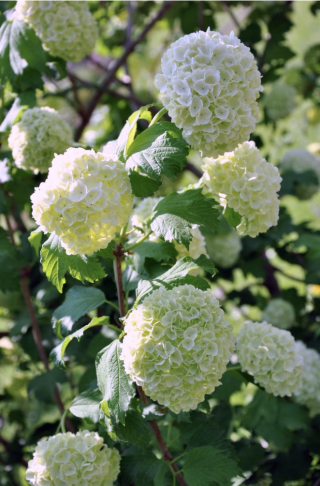
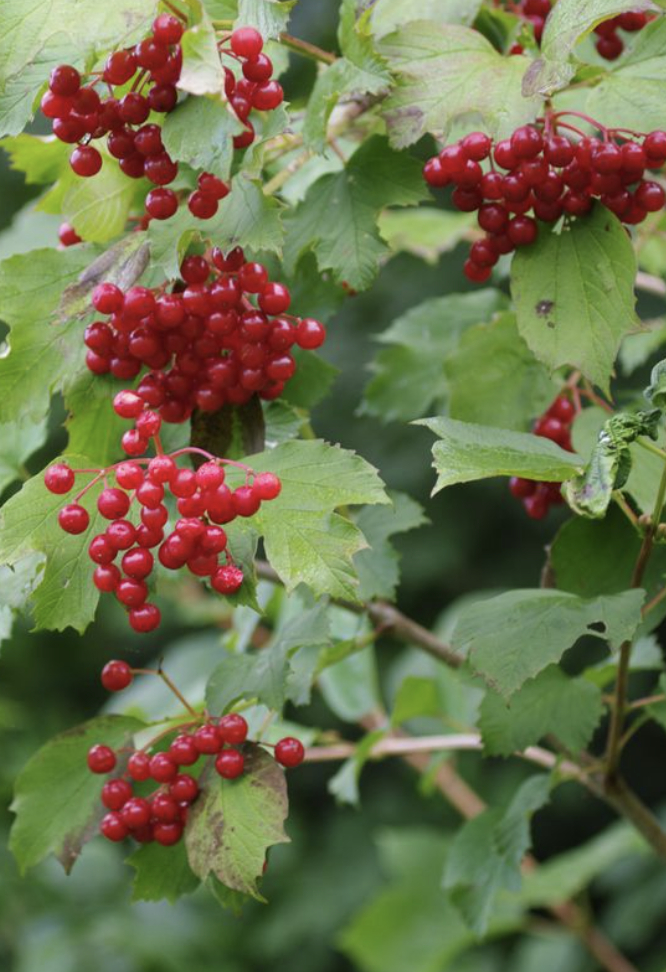
Viburnum opulus, also known as “Cramp Bark” can be a helpful remedy for gastrointestinal diseases that involve intestinal cramping. As suggested by its colloquial name, cramp bark, this herb can relax cramping in the smooth muscles of the body (it is often used for menstrual cramps). Viburnum opulus contains relatively high quantities of quinic acid and it is related to White Willow / Salix alba, another “salicin-containing medicinal agent” that has a very broad range of antibiotic, pain-relieving, and fever-reducing properties. In this discussion, we’re focusing on cramp bark because of its ability to relieve intestinal cramping while working simultaneously to heal the gut lining, but the use of salicin-containing herbs in childhood illness is tragically overlooked by parents who believe that these herbs are dangerous for children. They are not. Quite the contrary.
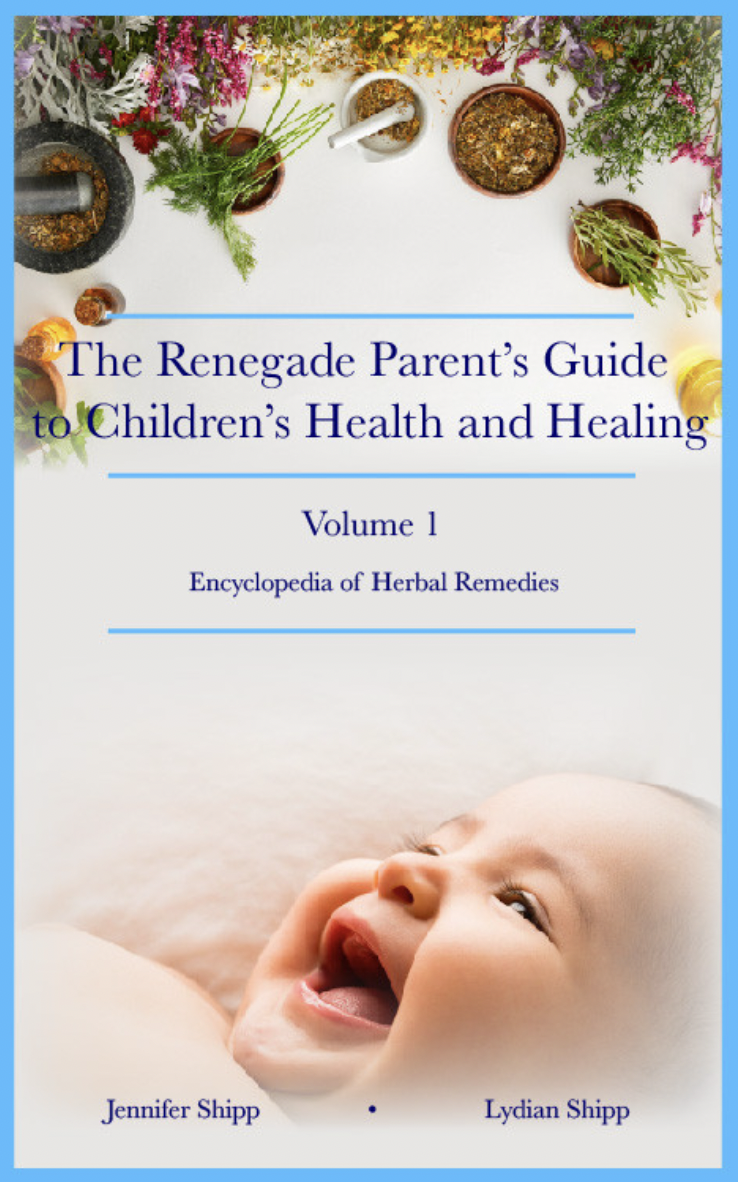
Click here to buy The Renegade Parent’s Guide to Children’s Health and Healing - Encyclopedia of Herbal Remedies.
White willow contains chlorogenic acids rather than quinic acids like its cousin, cramp bark, but these salicin-containing herbs share certain medicinal effects in common including their ability to reduce the risk of developing stomach ulcers by balancing prostaglandin levels in the body, and by and their ability to reduce pain, inflammation, and fever. But if you’re reading this in order to make a decision about which herb to use to treat strep throat at home in a child or even scarlet fever, be aware that these herbs won’t demonstrate the full benefit of what they can do in terms of fever-reduction, pain relief, or inflammation treatment until you’ve taken them daily for 7 days or longer. White willow is not aspirin and it won’t lower a fever within hours. The same is true for cramp bark, but if you have a child with a sensitive stomach or a digestive system disease that’s causing diarrhea or vomiting, these herbs might be a beneficial addition to your at-home protocol.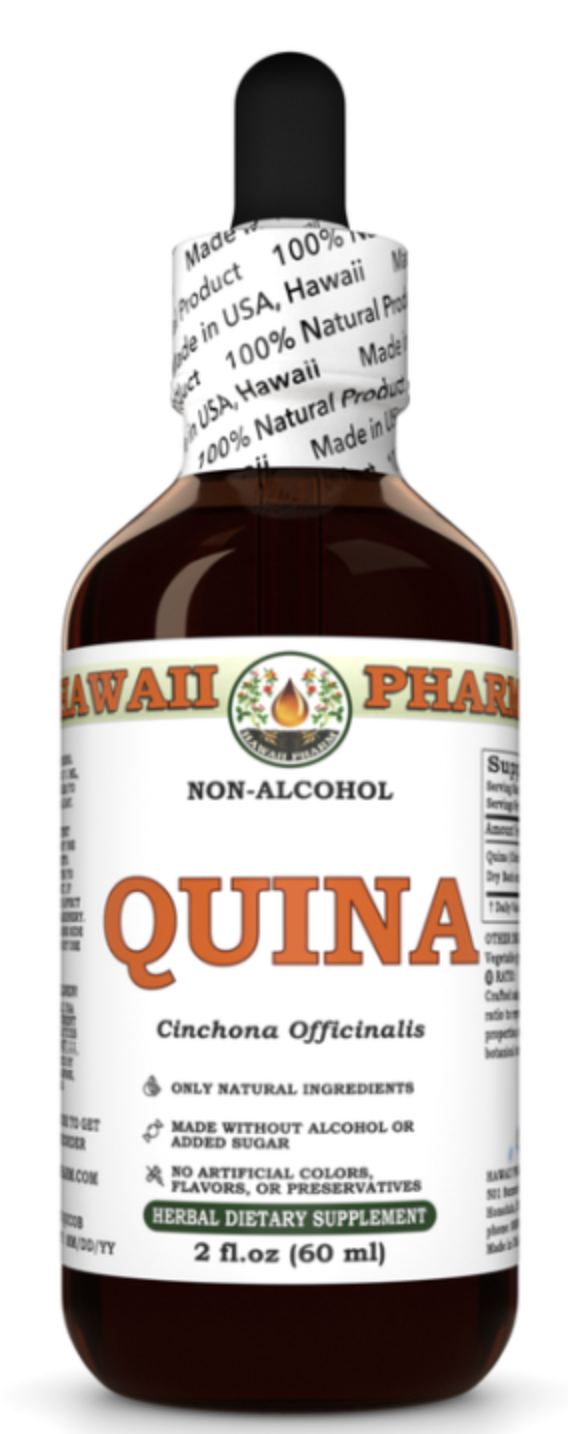
Click here to buy Cinchona bark tincture.
Below are foods and herbs that also contain quinic acid:-
- Kiwi / Actinidia - a major source of quinic acid - 40-60% of the acid content of the fruit is quinic acid with higher levels in immature fruit
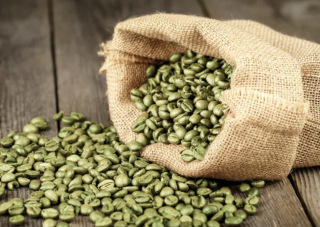
- Coffee Beans / Coffea - the green, unroasted coffee beans can be ground up and drunk or used as an enema to administer high doses of quinic acid as well as chlorogenic acid (another powerful, natural anti-inflammatory) in children. Green coffee is one of the highest sources of quinic acid and it combines well with Cinchona officinalis treatment in kids.
- Quince leaves / Cydonia oblonga - the leaves contain about 72.2% quinic acid according to some studies.
- Cinchona bark / Cinchona officinalis - historically, Cinchona bark was the most important source of quinic acid - about 5-8% of the plant material is made up of quinic acid (about 5000 to 8000 mg/100grams), but today there are other known sources of quinic acid. Cinchona also contains quinine, of course to kill streptococcal bacteria and chlorogenic acid among other medicinal agents.
- Sweet Wormwood / Artemisia annua - another important source of quinic acid. Artemisia annua is often combined with quinine or Cinchona bark treatment to cure infectious and chronic diseases.
- Eucalyptus globulus
- Urtica dioca / Stinging Nettle
- Guelder Rose / Cramp Bark / Viburnum opulus - fruit extracts contain about 52 to 346 mg of quinic acid per 100 grams of plant material. Seed oils contain quinic acid as well as epicatechin, coumaroyl-quinic acid, and chlorogenic acid. Seed oil of Viburnum opulus contains 10-30 mg of quinic acid per kg.
- Cranberries
- Blueberries
- Apples (quinic acid is found in the peel and flesh)
- Elderberries
- Black currants
- Cinchona bark
- Tamarind
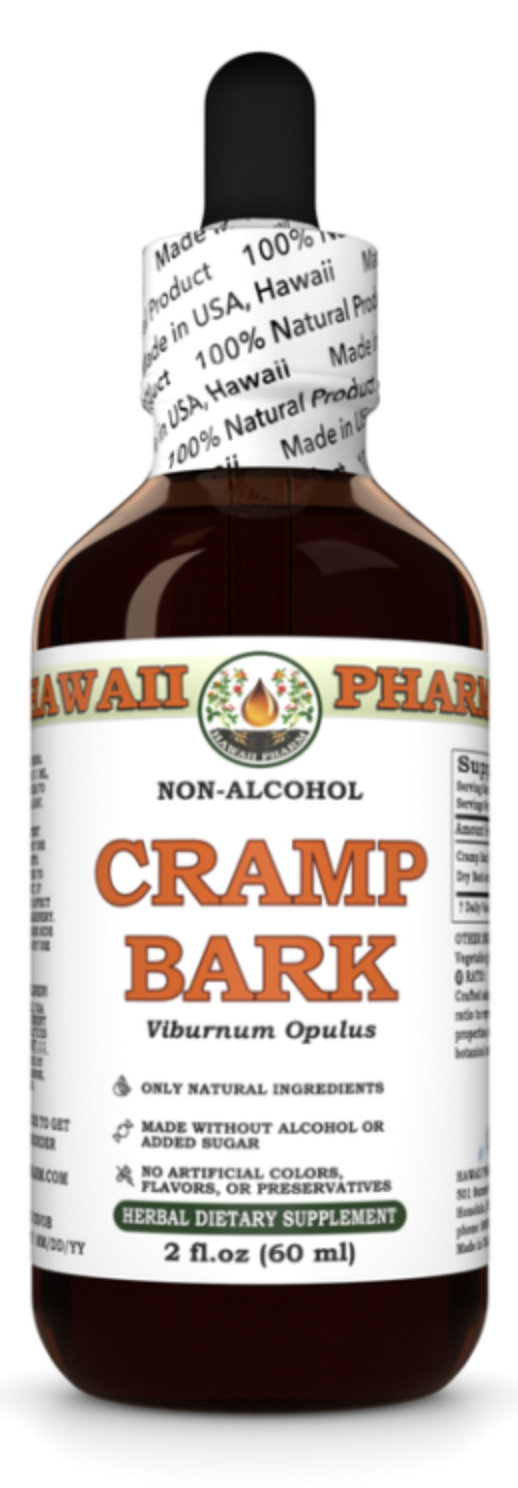
Click here to buy Viburnum opulus / Cramp Bark tincture.
If you're researching Cinchona bark for kids, proper dosing is vital, but this is an important medicine to have in your medicine cabinet as it has a very broad and yet powerful antibiotic action that doesn't damage the intestinal flora, but rather rebuilds it. Quinine does not rebuild the intestinal lining because it is only quinine and does not also include the other medicinal substances that are found in Cinchona bark.
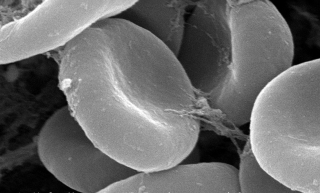
You should note that quinine has a powerful antibiotic action against streptococcus bacteria (and other pathogens as well) and its actual effects on this and other pathogens (which we describe later in greater detail) are similar to the effect of quinine on malaria protozoa (quinine interferes with streptococcal destruction and consumption of human red blood cells, interfering with iron as a source of survival and virulence).
Resources:
• Bermont, A. et al. (2020). New-Onset of Crohn’s Disease Is Associated with Antistreptolysin O Positive Tiers. Retrieved January 27, 2026 from https://pmc.ncbi.nlm.nih.gov/articles/PMC7227782/
• Singh, A. et al. (2022). Infective Endocarditis as a Complication of Crohn’s Disease on Immunotherapy. Retrieved January 27, 2026 from https://pmc.ncbi.nlm.nih.gov/articles/PMC9867600/#:~:text=Abstract,acute%20flare%20of%20Crohn's%20disease.