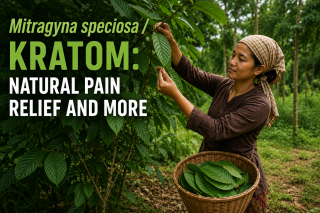
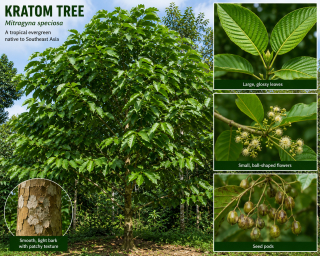
Analgesic / Pain-Relieving Effects of Kratom
 Kratom is famous as an herbal remedy for chronic pain. When a person has chronic pain with little or no relief over the course of a long period of time, the nervous system in the body eventually builds what are called “sympathetic dorsal ganglion nests”. These “nests” of nerve growth near the spinal cord develop in response to chronic, high levels of pain. Essentially, if you think of the nerves like they’re highways and pain like traffic on those highways, sympathetic “nests” are built to route more and more pain information to the brain because there’s so much “pain traffic” on those nerves each day.
In this regard, it’s good to be able to relieve pain so as to prevent the development of these sympathetic nervous system "nests". It serves the body to prevent pain, at least chronic, high levels of pain, because otherwise the body actually becomes more sensitive to pain by literally building additional nerves to pick up pain reactions. This is why pain begets more pain. A person who feels pain somewhere in the body already will actually experience any additional pain stimulus (let’s say a stubbed toe) as more painful than a person who did not initially have pain.

Click here to schedule a health coaching session with us.
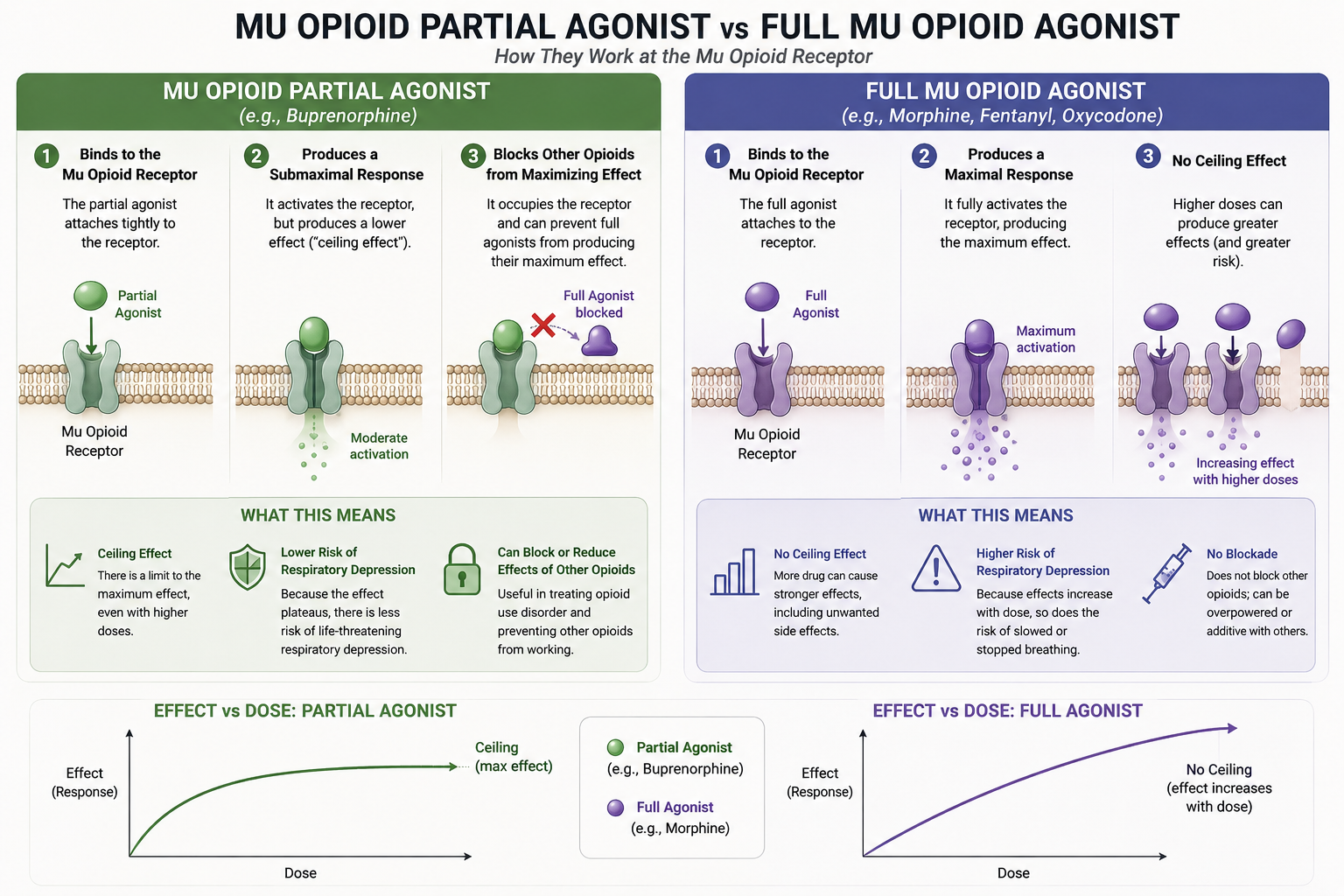
Of course, synthetically produced drugs like morphine that kill pain can have toxic effects on a person’s life, but kratom is not morphine. Kratom is a partial mu-opioid receptor agonist while morphine is a full mu-opioid receptor agonist. Kratom also activates delta and kappa opioid receptors to produce a more balanced effect on the body than what morphine produces. And kratom also contains substances like proanthocyanin B2 that have powerful anticancer effects such that a person with cancer-related pain can be treating their cancer with the same herb that they’re using to kill pain caused by cancer.So while a lot of people seek out kratom initially for pain relief, kratom does more than just relieve pain. Cancer-related pain can be intense and the ability to relieve that pain can have a very important psychological and spiritual impact on a person who is battling with this disease. A person who is chronically in pain might have less will to survive cancer as a disease than a person who is able to control that pain themselves. One of the important things that we always consider in terms of serious illness is the patient’s desire to stay alive because the desire to live can create special opportunities to negotiate on the patient’s behalf. Kratom is an herb that can give people a will to survive during eras in their life when they are experiencing a lot of physical or emotional pain.
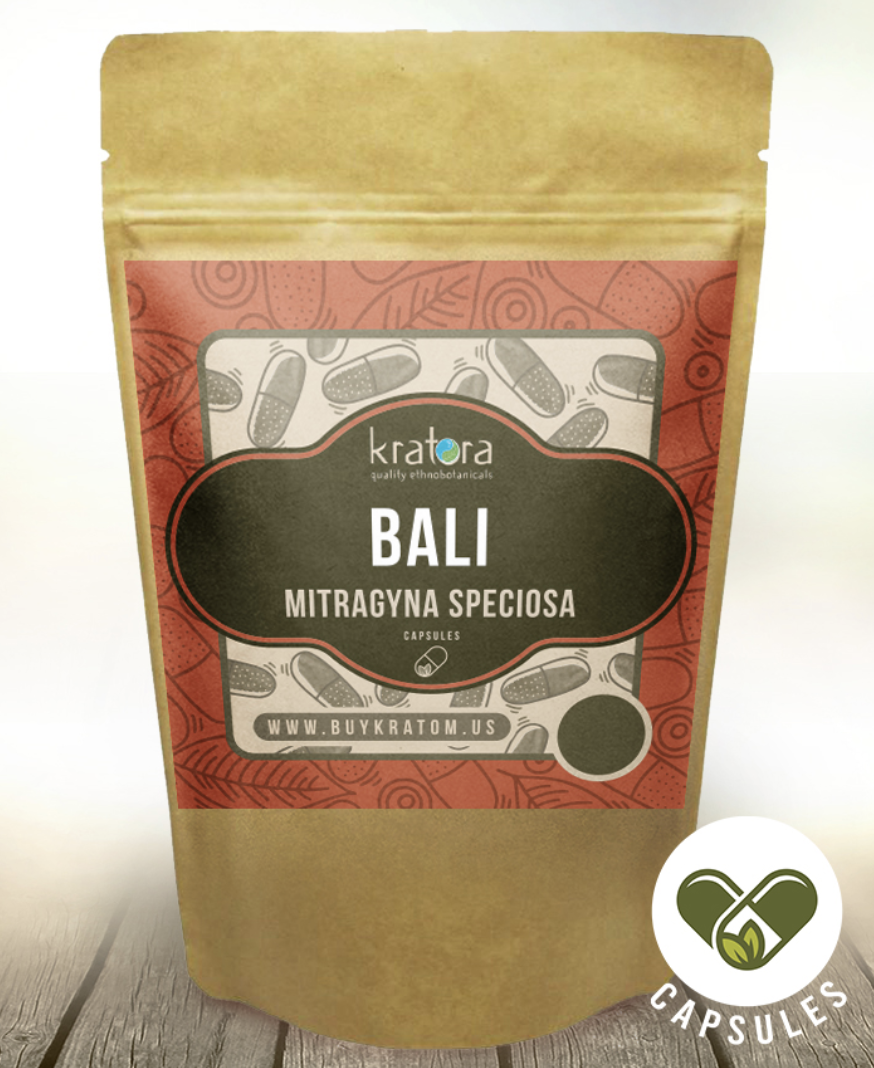
Click here to buy Kratom.
Diabetic neuropathy is also an important thing to note here. Kratom has a dramatic blood-sugar lowering effect on the body. As such, kratom can be used, with Intention and with attention to insulin needs and other prescription drug doses, to work to overcome diabetes type 1 and type 2. It is not a standalone cure for diabetes, but its blood sugar lowering effects can be leveraged along with the ketogenic diet (be sure that you’re following an actual keto diet and not a pop-version that will yield zero results) and Peganum harmala therapy to cure this disease. Meanwhile, as kratom lowers blood sugar, it can also diminish diabetic neuropathy symptoms. So this is an herb that reduces diabetic neuropathy pain, but it also helps cure diabetes overall (when combined with other treatments to regrow the beta cells in the pancreas).Note that in addition to pain-relief, kratom is also an anti-spasmodic so it relaxes the muscles which can enhance its pain-relieving effects. It also reduces smooth muscle cramping in the visceral organs through calcium channel antagonism. The alkaloid 7-hydroxymitragynine has been found to be several times more potent as a pain-reliever than morphine in mice. Mitragynine also has reasonably decent antinociceptive effects comparable to codeine. Kratom has been known to be very effective in managing pain caused by the following problems according to 90% of one survey’s respondents who used kratom to relieve pain (a further 7% indicated that kratom was “somewhat effective”):
- Fibromyalgia
- Rheumatoid arthritis
- Headaches and migraines
- Injury-related pain (including back/spine injury pain)
- Multiple sclerosis
- Neuropathy
- Osteoarthritis
- Autoimmune disease (lupus specifically)
- Complex regional pain syndrome (CRPS)
- Ehlers-Danlos syndrome
- Trigenimal neuralgia
- Cancer-related pain
- Pain caused by inflammatory bowel disease (IBD)
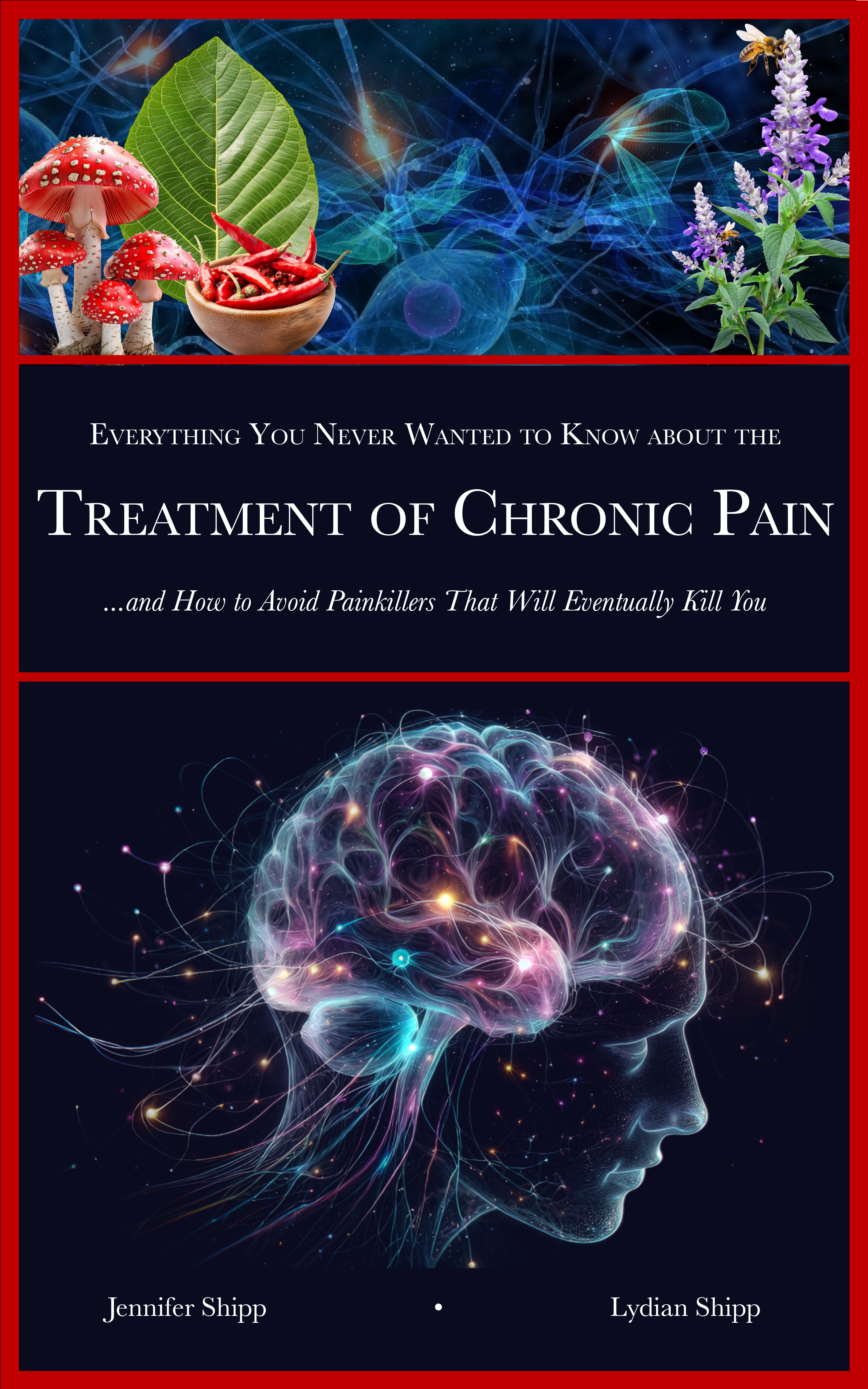
Click here to buy our Chronic Pain Relief book.
Resources:
• Erowid (2000). Kratom. Retrieved May 14, 2026 from https://erowid.org/references/refs.php?S=kratom
• Mat, N. H. et al. (2023). Analgesic effects of main indole alkaloid of kratom, mitragynine in acute pain animal model. Retrieved May 20, 2026 from https://pubmed.ncbi.nlm.nih.gov/36503042/
• Alford, A. S. et al. (2025). Exploring the Therapeutic Potential of Mitragynine and Corynoxeine: Kratom-Derived Indole and Oxindole Alkaloids for Pain Management. Retrieved May 20, 2023 from https://www.mdpi.com/1424-8247/18/2/222