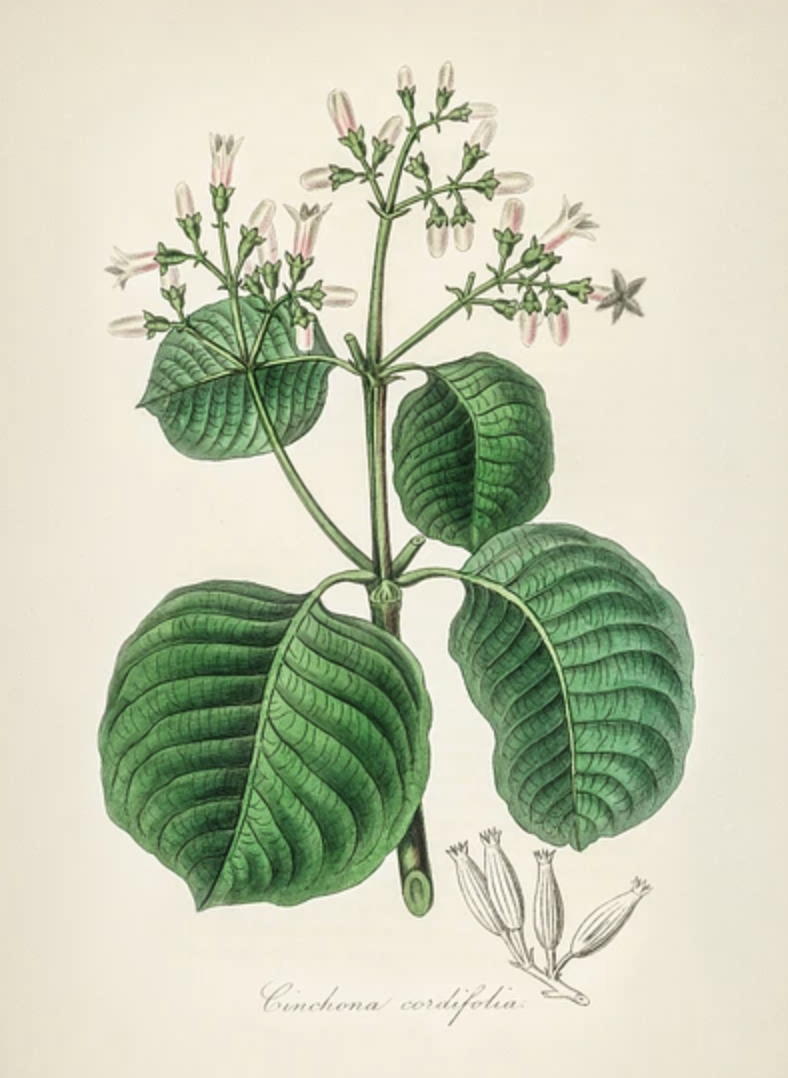
Cinchona officinalis and Quinine as a Bitter That Improves Immune Response in Respiratory Infections
 Oddly enough, in the human airway, there are both bitter and sweet taste receptors that play a role in the immune systems’ ability to defend itself. These receptors are also present in the nose and in the sinuses. Most people don’t realize that the skin has smell receptors as the airway has taste receptors. We can smell with our skin and taste with our bronchial tubes. It’s true! But this is more than just a fun fact. These receptors play a role in disease and they likely play a role in other aspects of our lives that haven’t been discovered yet.
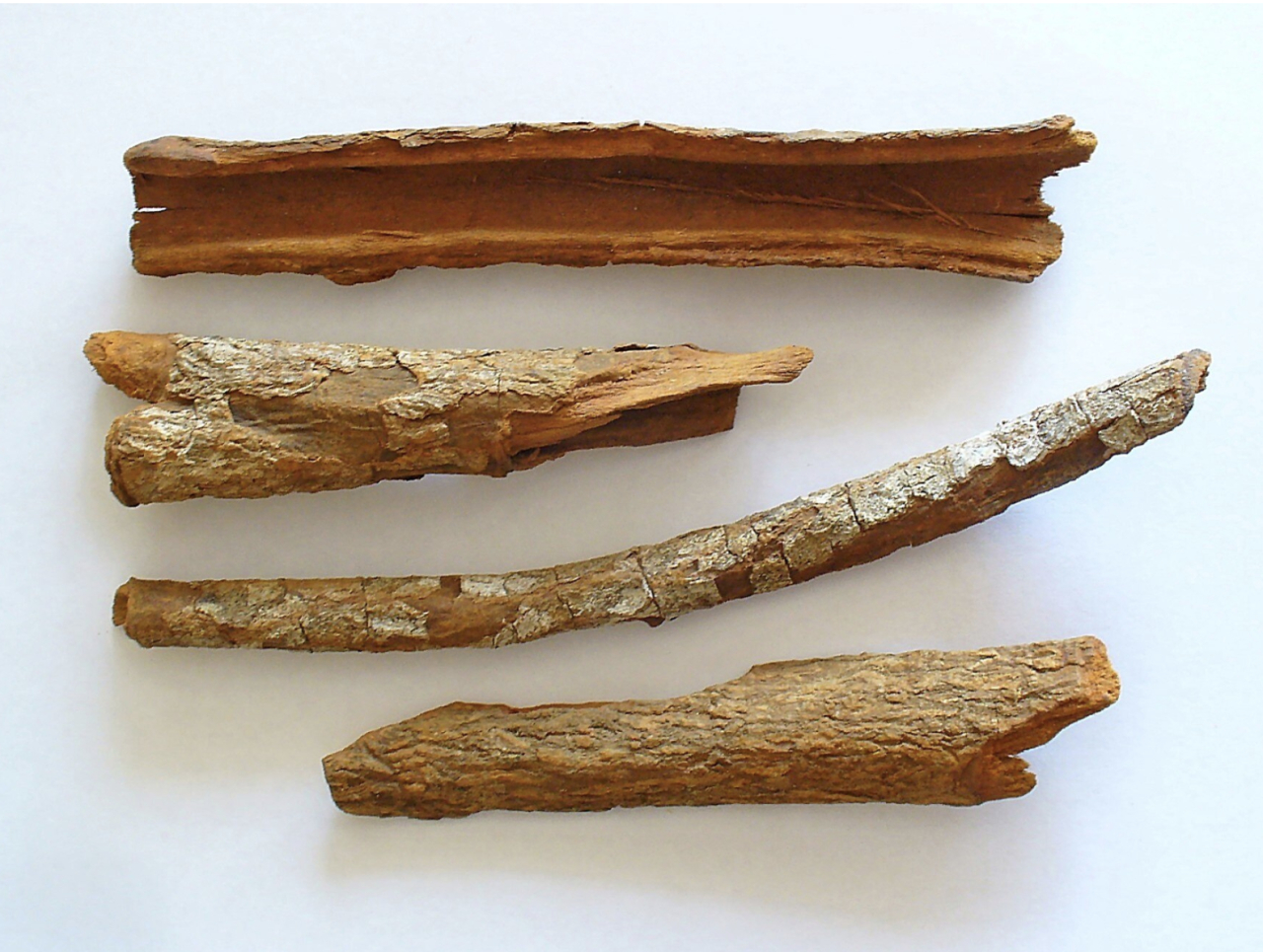
In patients with chronic rhinosinusitis (runny or stuffy nose and congested sinuses), if one particular type of T2R taste receptor loses functionality, it can indicate a more severe form of disease. Quinine is a bitter medicinal agent derived from the Cinchona officinalis tree that acts as an agonist that stimulates several T2Rs not only on the tongue, but also in other areas of the body where there are taste receptors such as in the nose and sinuses.

Click here to schedule a health coaching call with us.
In one study, quinine administration in the nasal tissues of patients who were candidates for nasal or sinus surgery consistently increased ciliary beat frequency and nitric oxide production. Cilia are tiny hairs on the outer surface of cells that serve to move fluids, particles, pathogens, or the cell itself within the liquid environment where our cells are bathed. Some cilia also act like radio antennae to receive information that’s transmitted to the cell. In the airway and in the sinuses and on mucus membranes in the nose, there are T2R taste receptors that respond to bitter compounds that are released by gram-negative bacteria like Pseudomonas aeruginosa. When the T2R receptors are triggered by these bitter compounds, there’s an increase in intracellular calcium that stimulates the production of an enzyme that prevents the breakdown of a molecule known as nitric oxide. This increases the production of nitric oxide inside cells which in turn, increases ciliary beat frequency. Nitric oxide also diffuses into the mucus layer of the nose and sinuses to act directly as an antibiotic agent against the pathogenic bacteria. By increasing ciliary beat frequency significantly as well as nitric oxide production, quinine can stimulate innate immune defenses via T2R activation.Scientists have noted that when patients are less sensitive to the bitter taste of quinine, this tends to indicate a more severe form of chronic nasal or sinus inflammation and infection. These studies have also noted that quinine can be administered topically to treat nasal and sinus infections.

Click here to buy The Renegade Parent’s Guide to Children’s Health and Healing - Encyclopedia of Herbal Remedies.
Nitric oxide has antiviral effects against envelope viruses. Envelope viruses have a lipid membrane that makes them more sensitive to heat and disinfectants. Quinine has medicinal effects against these viruses via nitric oxide production. These viruses include (below is not an exhaustive list for each category):- Coronaviridae
- SARS-CoV
- COVID-19
- MERS
- Herpesviruses
- Cytomegalovirus / Herpesviruses
- HSV / Herpesviruses
- HSV-1
- HSV-2
- HHV-6 / 7
- HHV-8
- Epstein-Barr Virus / EBV
- Chickenpox / Varicella Zoster Virus - (Also shingles)
- Poxviruses
- Orthopox virus
- Smallpox / Variola virus
- Monkeypox / Mpox
- Vaccinia virus (used in the smallpox vaccine)
- Orthopox virus
- Rhabdoviridae
- Rabies
- Vesicular stomatitis
- Filoviridae
- Ebola
- Marburg
- Orthomyxoviridae
- Influenza A, B, and C
- Thogotoviruses
- Thogoto
- Dhori
- Bourbon virus
- HIV
- Human T-Lymphotropic Virus / HTLV
- Flaviviridae
- West Nile virus
- Dengue
- Yellow Fever
- Zika
- Japanese Encephalitis
- Tick-Borne Encephalitis
- Hepatitis C
- Murray Valley Encephalitis
- St. Louis Encephalitis
- Kyasanur Forest Disease
- Omsk Hemorrhagic Fever
- Paramyxoviridae
- Respiratory Synctitial Virus / RSV
- Measles
- Mumps
- Human Parainfluenza Virus
- Nipah (zoonotic)
- Hendra (zoonotic)
- Hepadnaviruses
- Hepatitis B virus
- More…
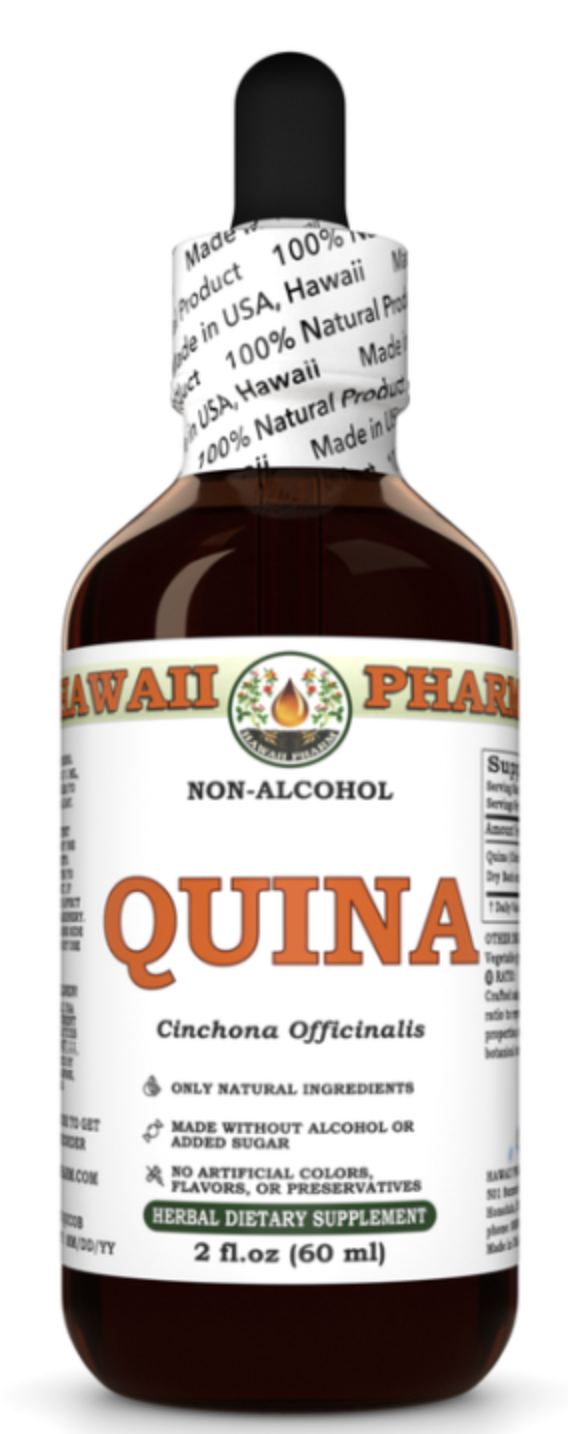
Click here to buy Cinchona bark tincture.
Scientists who have studied bitter receptors in the respiratory tract believe that quinine can activate nitric oxide and reduce the number of cells infected with COVID. In theory, “bitter therapy” with quinine would also reduce the number of cells infected with other envelope viruses like those in the list above. A bitter spray administered directly into the nose and perhaps also into the mouth would be ideal. Other very bitter herbs could be beneficial against infection for similar reasons.
But what we’ve just described here is not the only mechanism of action used by quinine to overcome major infectious pathogens. Nonetheless, in order to understand the full value of this natural substance and the plant from which is was derived (Cinchona officinalis), it’s important to know that this mechanism of action exists and that it plays a role in treating envelope viruses such as those listed above.
Resources:
• Workman, A. D. et al. (2018). The Role of Quinine-Responsive Taste Receptor Family 2 in Airway Immune Defense and Chronic Rhinosinusitis. Retrieved January 13, 2026 from https://pmc.ncbi.nlm.nih.gov/articles/PMC5882797/
• Penn Medicine (n.d.). Is quinine the tonic for COVID-19? Retrieved January 13, 2026 from https://www3.pennmedicine.org/departments-and-centers/otorhinolaryngology/about-us/newsletters/archive/2021-newsletters/quinine-the-tonic-for-covid19
• Rezaie, P. et al. (2022). Quinine Effects on Gut and Pancreatic Hormones and Antropyloroduodenal Pressures in Humans - Role of Delivery Site and Sex. Retrieved January 13, 2025 from https://pmc.ncbi.nlm.nih.gov/articles/PMC9250303/