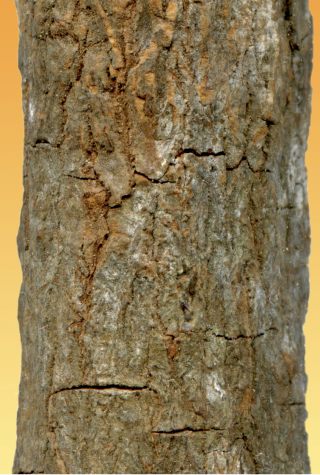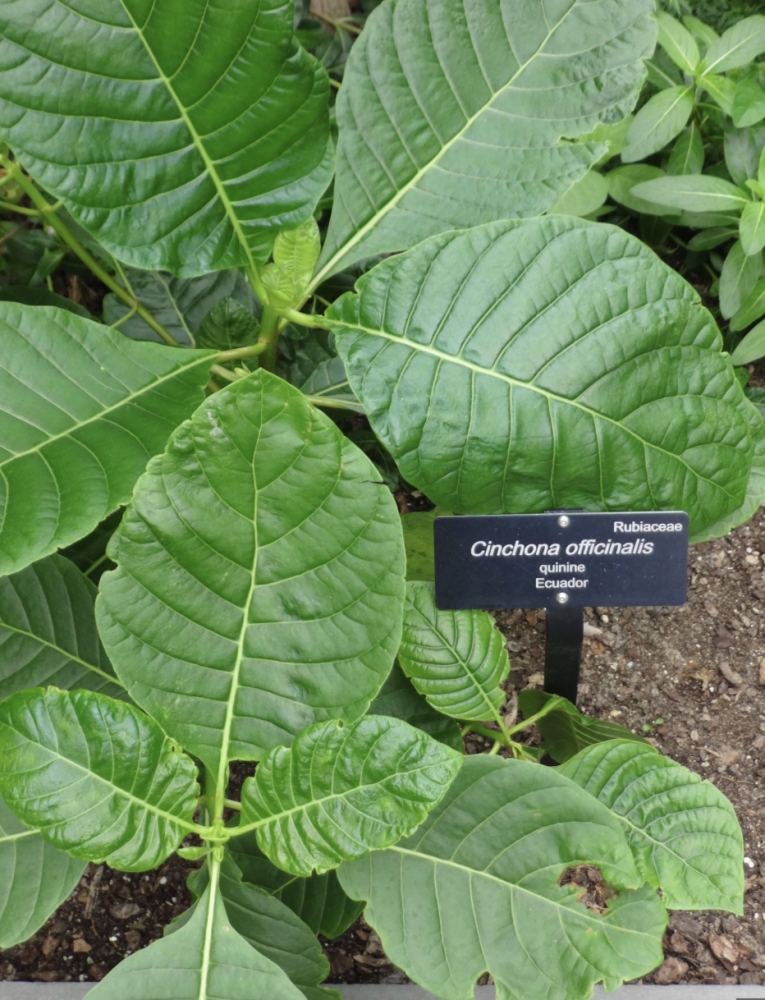
Cinchona Bark Dose for Children and Adults
Cinchona officinalis Dose for Children by Age
Create a master tincture, tea, or capsule containing Cinchona officinalis to treat a major infection using 750 to 1000 mg per day. Use the dosing chart below to decide which dose is correct for your child.To make a tincture, put the proper dose of Cinchona officinalis in a high-proof alcohol. Create a master tincture for 7 days of initial treatment (you’ll have to create a second master tincture for the recovery period when quinine dosing is reduced each day).
Multiply the desired dose by 7. If your child is 3-4 years old, for example, you’ll multiply 800 mg by 7 days to come up with 5600 mg total for 7 days of treatment. Using a gram scale, measure 5600 mg and put it into a glass container that can be easily marked with a marker. Using a ruler, divide the glass container into 7ths.
Click here to schedule a health coaching session with us.
Each day, remove 1/7th of your master tincture from this bottle and put it in a separate container. If this master dose for 1 day is only 1 teaspoon or 1 tablespoon of liquid, that’s okay, but you’ll need to add enough liquid to it that the total dose for that day can be divided into 8 hourly doses. Add some water to it, if necessary, to increase the volume into measurable doses for each hour. Set a timer and give your child 1/8th of the master dose throughout the day.Administer 750 mg to 1000 mg per day in 8 divided doses administered hourly (or as close as possible to hourly if the child is asleep) for up to 7 days for acute infection. Then decrease the dose by 250 to 400 mg per day until the patient fully recovers.
Cinchona officinalis and quinine have been used safely in infants. Both can be used to fight severe infection as well as malaria, cancer, and autoimmune diseases.
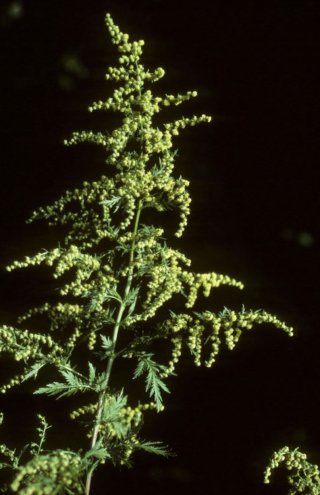
It can be valuable to combine Cinchona officinalis or quinine treatment with Artemisia annua (the whole herb) or artemisinin for a more powerful type of treatment.
If your child seems to be reacting negatively to quinine (read contraindications below), stop administering it. Most of the side effects of quinine are reversible and they go away when quinine administration stops.
Dosing Guidelines:
Infants 0-2 years of age - 750 mg per day
2-4 years of age - 800 mg per day
4-5 years of age - 850 mg per day
5-6 years of age - 900 mg per day
6-7 years of age - 950 mg per day
7-10 years of age -1000 mg per day
10-12 years - 1250-1500 mg per day
12-14 years - 1500-1750 mg per day
14-18 years - 2000-3000 mg per day
18 years + - 3000 mg per day
Avoid long term use of quinine and Cinchona bark at the higher therapeutic doses. Cinchona officinalis has an impact on serotonin levels in the brain, so, after continuous treatment for 4 to 8 weeks, it should be halted for at least 2-4 weeks in children. Much lower doses may be used short-term for prevention of diphtheria infection and other types of infection if a child has been exposed to a serious disease.
Click here to buy Cinchona officinalis.
Cinchona officinalis Dosing by Weight
For both children and adults, Cinchona officinalis can be dosed according to weight. The dose by weight is 0.25 mg per kilogram body weight.For example, my 2 year old granddaughter was 11.33 kg when Lydi and I started giving her daily doses of Cinchona officinalis for hand, foot, and mouth disease. The full dose was 2.8 GRAMS (2800 mg). Note that, the dose by weight is quite a bit different than dosing by age. Indeed, while my granddaughter took her 2.8 grams each day, the adults took closer to 16 to 20 GRAMS daily of Cinchona officinalis as their dose.
We use dosing by weight for Cinchona bark in our family because taking too little Cinchona can also be dangerous. But if you don’t know your child’s weight when he or she begins treatment, you can use the by age dosing strategy above until you can find out your child’s age. It’s important not to overdose your child with Cinchona officinalis because quinine content varies in this herb and too much quinine can cause unpleasant side effects.
Click here to buy Cinchona officinalis / Quina.
Quinine Sulfate Contraindications and Side Effects
Avoid quinine and Cinchona bark if the patient has any of the following:- Hemolytic anemia
- Tinnitis
- Pre-existing optic nerve damage
- Oversensitivity to Cinchona alkaloids
- Patients with cardiac arrhythmias who are also taking anticoagulant drugs
- Patients who are taking non-depolarizing muscle relaxants like pancuronium, etc.
Quinine sulfate can produce several different side effects that are entirely reversible when quinine therapy is discontinued. Nonetheless, these side effects include:
- Thrombocytopenia
- Microangiopathic hemolytic anemia
- Neutropenia
- Disseminated intravascular coagulation
- Eosinophilia
- Autoimmune hemolytic anemia
- Lymphopenia
- Methemoglobinema
- Impaired kidney function due to increased creatine levels
- Elevated serum transaminase (liver disorder)