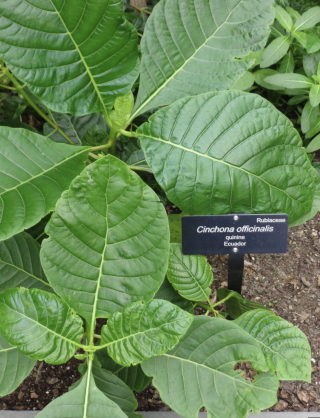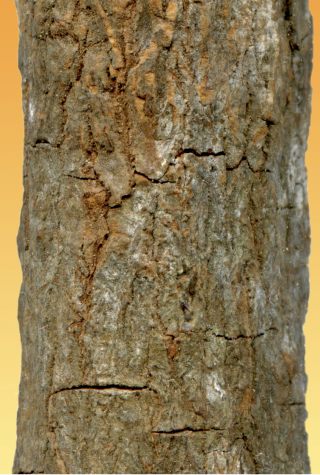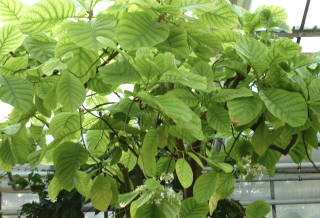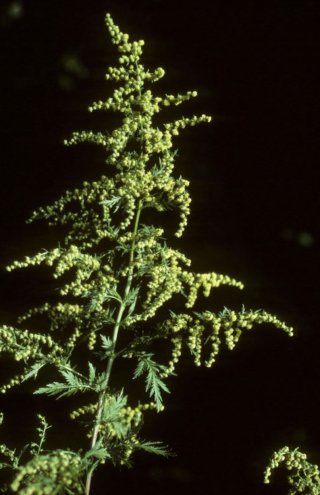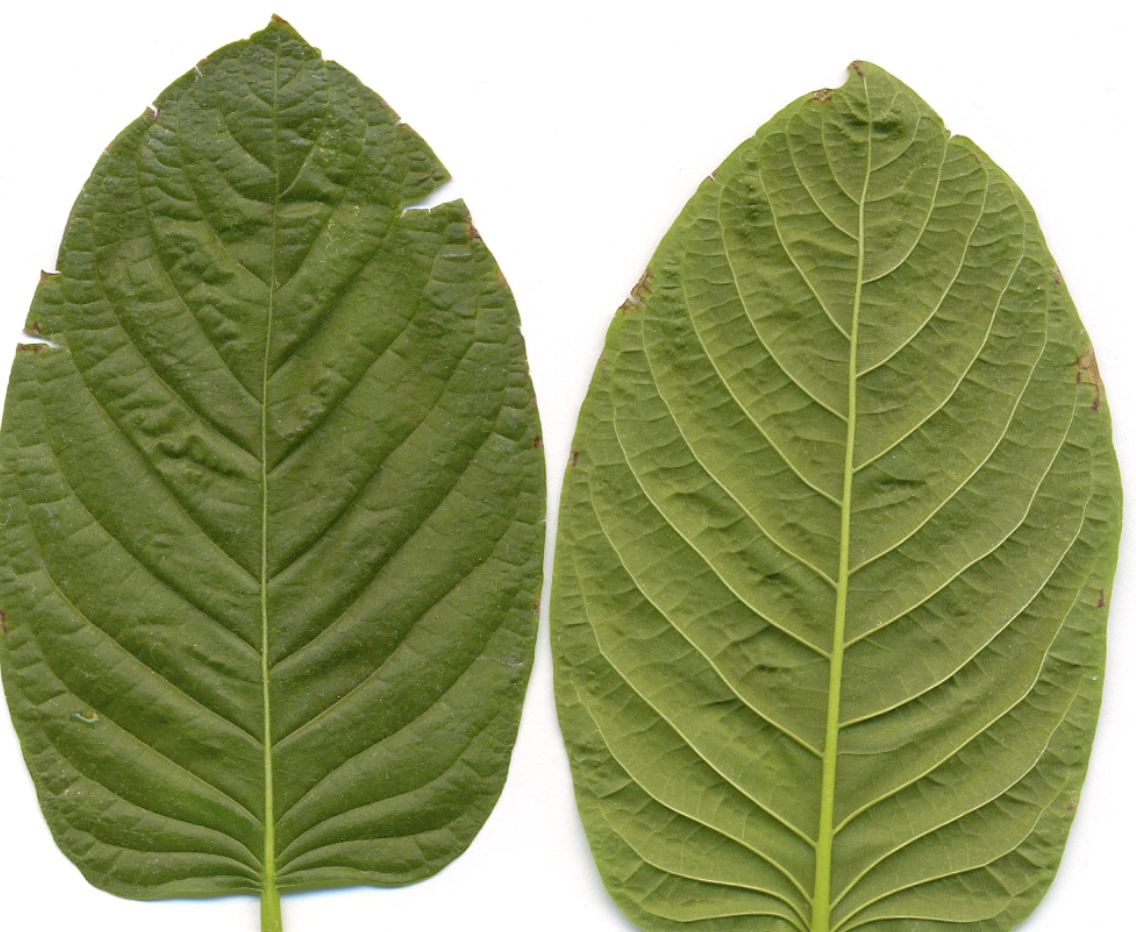
Cinchona officinalis and Mitragyna speciosa
Click here to schedule a health coaching session with us.
To be fair, Sydenham was mostly concerned about malaria, not strep infections, but Cinchona officinalis was a medicine that he knew how to use. While most European doctors were somewhat afraid of Cinchona, Sydenham knew when and how to administer it in order to cure malaria. But Sydenham administered at a very specific time during the course of the disease and he was aware the there were environmental factors that impacted the expression of malaria, its virulence and seriousness in patients. My own experience with Cinchona officinalis has been that it is far superior to antibiotics in many ways, but it requires some caution, attention to dosing, and it has to be discontinued after a certain period of time. This is not a medicine for those who have not interest in learning about Cinchona, but who only want to pop a pill. Cinchona and its side-kick, super-hero herb, Artemisia annua, require that people understand these herbs in order to prevent side effects.Click here to buy Cinchona officinalis.
Our bodies were designed to interact with the light and radiation from the sun. Sydenham intuitively knew this. There are positive as well as negative forms of radiation from the sun. Positive forms of radiation such as red and infrared wavelengths of light can heal the body, kill pathogens, and reduce pain. Negative forms of radiation like some forms of ultraviolet light can be harmful to the body in high doses. Indeed, ultraviolet light can also be healing under certain conditions. When doctors administer a medicine that’s sensitized by light, this is called photodynamic therapy in conventional medicine, but our bodies are constantly undergoing different versions of photodynamic therapy when we go outside every day and get exposed to sunlight, even if that photodynamic effect is not intentional.How the body interacts with the sun changes depending on the color of the surface structures of the human body (skin, eyes, hair, etc.). Skin color, for example, is altered by melanin, liver enzymes, and blood flow as well as by certain medications. When sunlight hits the skin, as the biggest “surface structure” on the body, visible and invisible light and radiation from the sun interacts with skin on the basis of the skin’s coloring and chemistry (as long as the patient is not wearing sunscreen). If, for example, the skin color is slightly more grey or blue because a patient is taking a drug like methylene blue, for example, the red wavelengths of light will interact with skin cells and other cells that are in deeper layers of the body by energizing them with photons. Cells can then use those packets of energy, photons, in order to heal.
Click here to buy Cinchona officinalis / Quina.
Pathogens can sometimes be stained with a particular color (methylene blue does this) such that they are killed through interactions with red or infrared wavelengths of light.
In 1856, William Henry Perkin was an 18 year old chemistry student who tried to synthesize quinine in a chemistry lab in London. Instead of producing quinine, he made a mistake and ended up with a dark, sticky substance in his test tube. As he cleaned it out with alcohol, this sticky substance produced a bright purple liquid that would later become aniline purple, the first synthetic fabric dye. The race to find new synthetic dyes totally changed the fashion industry, but it also, surprisingly, led to the development of the first antipsychotic medicine known as Thorazine / chlorpromazine. Thorazine was a failed antimalarial drug that became the first medicine that was able to truly help schizophrenic patients control their symptoms.
Become an Expert. Do an AlivenHealthy Video Course Now.
Purple Thorazine dye reduces symptoms of psychosis while red Sulfa drugs (also derivatives of fabric dyes) reduce symptoms of depression. Benzodiazepines were later developed from fabric dyes too. Indeed, quinine (a substance that alters mood states through its effects on serotonin levels) is a fluorescent medicinal substance that glows in the blue spectrum of light (450 nm) when it is exposed to ultraviolet lightwaves (350 nm).Click here to buy Kratom.
Not all psychoactive drugs are dyes or substances that glow but the colorful nature of these psychoactive medicines should give us pause to reconsider Dr. Thomas Sydenham’s assertion that sunlight exposure for patients with Streptococcus pyogenes or malaria infection alters the course of the disease. We’ve established the value of Cinchona officinalis and quinine as a powerful treatment for Streptococcus pyogenes. While quinine releases a fluorescent blue glow after being exposed to ultraviolet light, Cinchona officinalis is bright red tree bark and it is also known as “quina roja”, another fabric dye that’s medicinal. In addition to quinine’s myriad healing effects on the human body this medicine can also be combined with natural herbal medicines like Mitragyna speciosa, a mu-opioid agonist that is a powerful, natural pain-killer that’s used by opiate addicts to wean them away from synthetic opioids safely. Mitragyna speciosa used in combination with quinine potentiates the opioidergic medicinal action of both of these substances. The amplification of opioidergic activity might be due to the fact that Cinchona reduces tryptophan levels in the body while mitragynine (one of the most important medicinal substances in Mitragyna speciosa) is derived from tryptophan. Nonetheless, these two medicines, Cinchona and Mitragyna speciosa, work well together.Click here to subscribe to the Living Database now.
Resources
Sydenham, T. (1676). Medical Observations Concerning the History and Cure of Acute Diseases. Retrieved May 3, 2026 from https://earlymoderneurope.hist.sites.carleton.edu/items/show/247Freedman, J. E. and Weight, F. F. (1989). Quinine potently blocks single K+ channels activated by dopamine D-2 receptors in rat corpus striatum neurons. Retrieved May 2, 2026 from https://www.sciencedirect.com/science/article/abs/pii/0014299989904755
Islahudin, F. et al. (2014). The antimalarial drug quinine interferes with serotonin biosynthesis and action. Retrieved May 1, 2026 from https://www.nature.com/articles/srep03618
Science History Institute (2024). Dyes, Drugs, and Psychosis. Retrieved May 1, 2026 from https://www.sciencehistory.org/stories/distillations-pod/dyes-drugs-and-psychosis/
Santos, F. A. and Rao, V. S. (1999). Quinine-induced inhibition of gastrointestinal transit in mice: possible involvement of endogenous opioids. Retrieved May 1, 2026 from https://pubmed.ncbi.nlm.nih.gov/9932723/
Eyal, S. (2018). The Fever Tree: from Malaria to Neurological Diseases. Retrieved May 1, 2026 from https://pubmed.ncbi.nlm.nih.gov/30477182/
Semedo, M. G. et al. (2025). Cinchona bark and quinine as psychiatric treatments in Portugal, 1700-1900. Retrieved May 1, 2026 from https://pubmed.ncbi.nlm.nih.gov/40814135/