Quinine for Diphtheria and Bacterial Infections
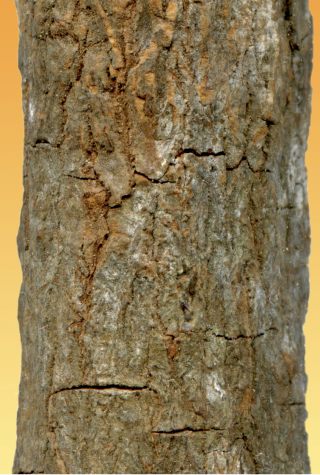
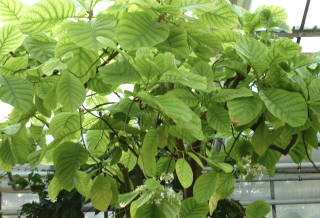
Some readers might remember how chloroquine and hydroxychloroquine were recommended drugs during COVID that got shut down because both were no longer profitable and under patent. Both chloroquine and hydroxychloroquine are derivatives from the natural substance known as quinine sulfate which is found in Cinchona officinalis tree bark. Some of our readers might also be aware of the fact that after the COVID-19, there was a resurgence of diphtheria in some areas of the world. Indeed, Dr. Isaac Goiz, the developer of biomagnetism noted that the biomagnetic pair for COVID was the same as the biomagnetic pair for diphtheria indicating that these bacteria literally colonize the same space in the body.
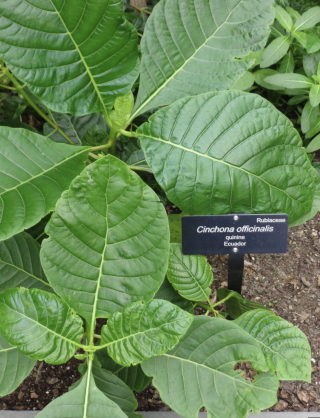
Quinine sulfate works better and it has a much better safety profile than chloroquine or hydroxychloroquine for COVID-19, but it is not a terribly profitable medicinal agent because it can’t be patented. Nonetheless, quinine sulfate can be quite useful in the treatment of certain infections like malaria (a parasite) or COVID (a virus), or perhaps even diphtheria (which is caused by a toxin released by a bacteriophage that infects the harmless diphtheria bacteria). In fact, some doctors were able to successfully use Cinchona officinalis (the plant from which quinine was derived) along with minute doses of iron to successfully treat and cure diphtheria decades ago. So quinine and Cinchona officinalis both deserve some attention in terms of childhood illnesses and how to use these medicines properly in children.
In conventional medicine, a diphtheria antitoxin combined with penicillin G or erythromycin antibiotic therapy is the standard treatment when a child becomes sick with diphtheria. But even in the early 1900s, American Medical Association (AMA) journal writers noted that the antitoxin wasn’t terribly effective as a treatment. But it should be noted that quinine can enhance the effects of erythromycin treatment in conventional medicine. And quinine or Cinchona officinalis can theoretically be administered as a stand-alone treatment for diphtheria too.
I say “theoretically” because the evidence is there to back up quinine and Cinchona bark in particular as a treatment for diphtheria but before quinine sulfate could be properly studied in terms of its mechanism of action against diphtheria, the AMA stepped in and proclaimed that the standard of care was to use the patentable (and therefore profitable) diphtheria antitoxin, vaccines, and antibiotics.
Pure quinine sulfate from the Cinchona officinalis tree is a salt of quinine and sulfate, but sulfates and iron combine to form iron sulfate salts as well, primarily ferrous sulfate and ferric sulfate. Both ferrous sulfate and ferric sulfate are essential in treating iron deficiency anemia, but some diseases like malaria, for example, and also diphtheria, may be less severe in patients who have iron deficiency anemia. Diphtheria treatment prior to the AMA takeover historically focused on the administration of trace iron via whiskey (which contains trace amounts of iron) or homeopathic treatments like ferri chlor. and ferri potassii in part because giving too much iron to a patient and building blood too quickly can make the pathogen stronger. But Cinchona bark powder has also been used along with copper in trace quantities to treat diphtheria, a thought-provoking fact in today’s scientific milieu given that copper is a much safer, much less toxic and effective nutrient that builds blood without putting the patient at a higher risk of developing a severe form of diphtheria, COVID, or malaria.
Let’s explore why.
Ferri chlor and ferri potassii aren’t always easy to find in the modern world, but there are alternatives. Red meat contains iron in a bioavailable, balanced form that children can digest and benefit from without doing any harm during the initial stages of an illness that may or may not be diphtheria, for example. But below we’ll talk about the pros and cons of doing any kind of iron supplementation during an infection. After all, iron deficiency can weaken certain pathogens and make them more susceptible to other treatments (like quinine or erythromycin).
Kids need to have plenty of red blood cells in order to overcome a disease because red blood cells deliver oxygen to cells and they transport carbon dioxide away from cells as well. Iron deficiency leads to a red blood cell deficiency. But supplying copper makes iron from food sources easier for the body to use for building blood. During a major disease, it may be much safer to administer tiny amounts of iron to promote slow, but steady red blood cell production along with low dose copper supplementation to encourage the body to absorb bioavailable forms of iron from food. At the same time, a sick child should also receive medicine to kill pathogens and overcome serious symptoms. While quinine sulfate is a good choice, Cinchona bark may be an even better choice because of the various medicinal substances contained in the whole herb.
Pros and Cons of Iron Supplementation in Children During an Illness
Ferrous sulfate is used for hemoglobin production. Ferric sulfate acts as a coagulating agent in the blood. In children, iron-sulfate overdose can be fatal so this is a fact worth considering when you’re trying to doctor a sick child. Also, full-dose iron supplementation in general is contraindicated because it can be harmful, rather than helpful during an infection. Rather, in iron deficiency anemia, copper is the nutrient that’s used to re-establish balanced iron levels in the body without potentially feeding pathogens the nutrient they covet most. Foods like cashews, almonds, sesame oil, whole grains, beans, lentils, dark chocolate, potatoes, spinach, and mushrooms (medicinal mushrooms are ideal) can be given to children in the initial stages of illness to help them build blood without increasing the virulence of the invading pathogen.
While Cinchona officinalis bark powder was once part of an effective remedy for diphtheria in the past, Cinchona officinalis doesn’t contain a lot of copper as a natural component that would increase iron levels in a safe and balanced way inside the body. But homeopathic preparations of Cinchona officinalis (sometimes called China officinalis) contains copper as an added ingredient perhaps because quinine alters iron metabolism while the extra, trace / homeopathic dose of copper improves the body’s overall use of iron and the production of healthy red blood cells nonetheless. In other words, quinine forms an alliance with iron in red blood cells such the quinine (unlike iron) makes heme toxic to pathogens. In malaria parasites that eat their host’s hemoglobin, for example, the parasite normally tries to convert the heme in hemoglobin into a non-toxic substance called hemozoin. But quinine makes a complex with the heme that makes it impossible for the parasite to neutralize the heme into hemozoin. Accumulation of heme in the parasite’s gut ultimately kills it. In sick patients who have been given quinine, ideally via hourly dosing, malaria parasites lack access to non-toxic sources of iron. This makes the malaria pathogen weak and vulnerable to other types of medicinal treatments which, in the case of malaria, often include Artemisinin (derived from Artemisia annua). Artemisinin and quinine work very well together through their different mechanisms of action against malaria.
Artemisinin though, is activated by iron. Unlike artemisinin, quinine is not activated by iron. Rather, quinine binds to the iron in heme to create a toxic situation for the malaria parasite. Though diphtheria has not been studied in terms of quinine uptake, Staphylococcus bacteria have. Staphylococcus bacteria do take up quinine for the same reasons that malaria takes up quinine – they’re trying to gain access to iron that’s stored as heme in our red blood cells. Like malaria protozoa, when Staphyloccoccus bacteria seek out heme in our red blood cells in a patient treated with proper doses of quinine or Cinchona bark, the quinine kills them.
Corynebacterium diphtereriae interacts differently with quinine than Staphylococcus aureus and malaria protozoa. The Corynebacterium diphtheriae bacteria, after all, is not pathogenic to humans until it is infected with a bacteriophage that then causes the diphtheria bacteria to release an exotoxin. The exotoxin primarily causes harm by preventing human cells from producing needed proteins which can lead to cell death and tissue destruction. The diphtheria toxin can damage many different types of tissues in the body, but while Staphylococcus aureus bacteria and malaria protozoa are hungry for iron from the heme in our red blood cells, some variants of diphtheria bacteria (such as Mitis, Intermedius, and Belfanti) may work to destroy red blood cells within a small, localized area of the body too. The diphtheria bacteria will completely destroy red blood cells which then become incorporated into the pseudomembrane in the throat, for example. The pseudomembrane is made up of other blood components like white blood cells and fibrin too.
Similar to Staphylocccus bacteria and malaria protozoa, the Corynebacterium diphtheriae uses heme as a source of iron particularly when the patient is iron deficient already. This explains why doctors in the 1800s and early 1900s noted that correcting iron deficiency was central to treating diphtheria. But the relationship between Corynebacterium diphtheria and iron is less straight forward than the relationships we’ve described between Staphylococcus and malaria protozoa. In a diphtheria infection, diphtheria toxin production is regulated by iron levels in the host’s infecting diphtheria bacterium. Most strains of infectious diphtheria bacteria require nicotinic acids (vitamin B3) and pantothenic acids (vitamin B5) for growth. Some also require thiamine (vitamin B1), biotin (vitamin B7), or pimelic acid (a vitamin B7 precursor). But for the optimum production of diphtheria toxin, the host should also have plenty of amino acids and be iron deficient.
A large number of bacteria need a good source of iron from the host (usually hemoglobin) in order to cause disease. So this is odd. The diphtheria bacteria requires a good source of B vitamins and amino acids along with iron deficiency in order to produce the diphtheria toxin. Yet, though iron deficiency optimizes the production of the diphtheria toxin, some strains of Corynebacterium diphtheria to use the hemin iron from the hemoglobin-haptoglobin complex in blood plasma. So in other words, rather than destroying red blood cells themselves to obtain iron, the diphtheria pathogen taps into the body’s iron stores that exist in the liquid plasma of the blood supply.
So essentially, though the diphtheria pathogen does, indeed, like to snack on iron, it doesn’t seek out and destroy human red blood cells to gain access to it. Rather, we might think of diphtheria as a vulture-pathogen that consumes the iron-leftovers in the plasma when the body has a low-level infection with Streptococcus Group A or certain Staphylococcus bacteria. Essentially, these bacteria can destroy red blood cells and leave behind heme that is sopped up by the hemoglobin-haptoglobin complex in the blood plasma. If Streptococcus or Staphylococcus colonize the body, they may slowly erode away at the iron stores to produce anemia, creating the optimal environment for a diphtheria infection.
A strep infection involving sore throat and the characteristic “white spots” can, in fact, look very similar to diphtheria and vice versa. In the 1920s, doctors often struggled to properly differentiate between strep infections / scarlet fever and diphtheria. One doctor wrote a summary of this struggle in 1927, noting specifically that, “scarlet fever often develops in patients admitted to diphtheria wards” and “in a study of 220 deaths from diphtheria, scarlet fever was reported 34 times”.
At that time, before vaccination became common and before these childhood diseases became less frequent, doctors knew that the simultaneous development of diphtheria and a strep infection was common. After a swab of diphtheria lesions at that time for culturing, doctors were well aware of the fact that streptococcal bacteria could be cultured too in addition to the diphtheria bacteria. Indeed, streptococcal bacteria were not the only type of bacteria found cohabiting in diphtheria lesions, but they were by far the most common.
As it turns out, the streptococcal bacteria (both Group A and Group B), including Streptococcus pyogenes, the bacteria that causes strep throat and scarlet fever, produce exotoxins known as “streptolysins” that cause complete destruction of red blood cells. So, as we’ve already discussed, these bacteria can produce hemolytic anemia. The streptococcal bacteria are skilled at colonizing the body in addition to their ability to cause outright infection. In children, a colony of streptococcal bacteria can cause iron-deficiency and anemia, creating the ideal conditions for a diphtheria infection. Streptolysins can destroy red blood cells so that the streptococcal bacteria can consume most of the iron, leaving behind just a bit that ends up being captured in the hemoglobin-haptoglobin complex of the blood plasma.
Other pathogens that cause red blood cell destruction, iron-deficiency, and a potentially conducive environment for diphtheria infection include:
How Two Pathogens Can Work Together to Produce Infection
Though conventional medicine does not ascribe to the idea that pathogens can “work together”, other models of medicine like biomagnetism (created by Dr. Isaac Goiz), does recognize that this is a common occurrence. Essentially, one pathogen creates a weakness in the human body that another pathogen can exploit. In diphtheria, the exploitable weakness is iron deficiency that’s caused by another pathogen (most often, a streptococcal bacteria) through prior or simultaneous infection.
So if you administer quinine, China officinalis as a homeopathic remedy, or Cinchona officinalis bark with trace amounts of copper, some types of pathogens may gravitate toward quinine uptake while the body has a chance to rebalance its iron stores for immune system function using copper as a trace mineral. In other words, quinine acts a bit like a trojan horse that masquerades as iron to some types of pathogens. In patients with diphtheria infection, it can be valuable to treat the patient for streptococcal infection at the same time. If the child (or adult) has recently been ill with another type of infection, it might be valuable to consider whether that type of pathogen feeds on the heme in red blood cells. If it does, there’s a good chance that this pathogen is actually creating a weakness that diphtheria can exploit to gain a foothold in the body.
Indeed, the gene for the diphtheria toxin is carried by a family of closely related bacteriophages that regulate the expression of diphtheria toxin (tox) production. Regulation of tox expression is mediated by the DtxR repressor that can be activated or deactivated based on iron levels in the body. Expression of the tox toxin depends on the physiological state of the Corynebacterium diphtheria bacteria. When iron deficiency in the human body starts to limit the diphtheria bacteria’s growth rate, iron dissociates from Dtxr and the tox gene is switched “on”. Diphtheria toxin is then produced and secreted into the host’s body at maximum rates. For this reason, it’s important to work to restore iron levels in the body (so as to switch “off” the DtxR toxin-producing gene in diphtheria bacteria) while working diligently to kill diphtheria partner-pathogens that are iron-hungry.
Quinine and Cinchona Bark for Diphtheria: How It Works
Though studies regarding how quinine and Cinchona officinalis can be beneficial during a diphtheria infection are not available, below we’ll discuss how quinine is used to treat infections that involve the destruction of red blood cells. Quinine has been used to treat streptococcal infections like Streptococcus pneumoniae as well a Escherichia coli infections, for example. In E. coli, quinine inhibits internalization and invasion effectiveness rather than acting to directly kill the bacteria.
Synthetic hydroquinine, a compound that’s closely related to quinine, has antibacterial effects that have only recently been discovered. Scientists have shown, for example, that hydroquinine alters gene expression that contributes to bacterial resistance in Pseudomonas aeruginosa. Like the malaria protozoa and like other bacteria that are responsive to quinine therapy, Pseudomonas aeruginosa causes hemolysis that contributes to its virulence.
In malaria infection, the malaria parasite eats and digests the host’s hemoglobin which produces the toxic iron-based by-product (iron III protoporphyrin IX or “heme”). As we’ve already noted elsewhere, the malaria parasite detoxifies this free “heme” by converting it into hemozoin, a non-toxic, insoluble crystalline substance. A build up of heme inside the malaria parasite, after all, would be toxic and lead to the death of the parasite. Quinine medicinally concentrates in the malaria parasite’s digestive vacuole which is roughly equivalent to the human stomach. Quinine then binds to free iron (III) protoporphyrin IX to form a complex. The binding of quinine with iron (III) protoporphyrin IX inhibits the formation of hemozoin which, in turn, causes toxic free “heme” to build up and ultimately kill the malaria parasite.
In the past, quinine and iron were used as a combination remedy for anemia and malarial fevers, but studies have indicated that high iron levels are associated with higher mortality rates in malaria patients. High iron levels can also have negative consequences during a bacterial infection with bacteria that rely on heme for sustenance. On this basis, iron-chelating agents have been studied as an alternative treatment for malaria but iron-chelation can have somewhat unpredictable and sometimes negative effects. While iron supplements increase the number of malaria parasites in the liver, iron chelators reduce the number of parasites in the liver. But iron chelators also cause other undesirable health issues (like severe anemia) so there are pros and cons to working with them in terms of malaria and also bacterial infection.
Quinine is a safer option that works to restrict pathogenic access to heme in the red blood cells while simultaneously lowering fever and reducing certain types of pain in the body.
In the past, doctors used a strategy of giving microdoses of iron in the form of Schussler salts or homeopathic forms of iron to tell the body that iron is still nutritionally available and then promote the continued production of new red blood cells. Whiskey is a source of minute doses of iron, but Schussler salts are also appropriate. At the same time, though, doctors would administer Cinchona bark with added copper. Cinchona bark, of course, contains quinine as well as other medicine substances including:
-
Quinine
-
Quinidine
-
Cinchonidine
-
Cinchonine
-
Cinchotannic Acid
-
Quinic acid
-
Essential oils
-
Minerals
While microdoses of iron and also small doses of copper would improve the body’s production of red blood cells to prevent severe anemia without inadvertently over-supplying iron to the pathogen that relies on it for survival and virulence, Cinchona bark would supply quinine (and other medicinal substances) that make the iron in heme less fortifying or less accessible in some way to the pathogen. Of course, not all bacteria eat heme to stay alive and become stronger, but bacteria that do rely on red blood cells / heme for sustenance are potentially susceptible to treatment with quinine. This includes a number of serious childhood diseases.
Quinine, of course, should not be administered long-term because it interacts with red blood cells as well as thyroid function, but it is quite safe when administered over the short-term at the proper doses to treat serious infections like diphtheria.
The Diphtheria Pseudomembrane
In terms of diphtheria, red blood cells in localized areas of the body become incorporated into the tough, grayish diphtheria pseudomembrane that forms in the throat along with white blood cells, dead cell debris, fibrin, epithelial cells, and microorganisms. Toxin leaks via the pseudomembrane in the throat into the blood supply or the lymphatic system can lead to systemic diphtheria so it’s not desirable to disturb the pseudomembrane if that can be avoided. Don’t try to remove it or even disturb it. For the most part, diphtheria as a disease is primarily a skin and mucosal infection that can occasionally progress to focal infection in a tonsil, for example, or in one very localized area of the body or to bacteremia in which the diphtheria infection spreads into the blood supply. Lung infection with diphtheria is common.
Quinine for Viral Diseases
Studies into the use of Cinchona bark for COVID-19 showed that the virus connected to ACE-2 receptors to infect human cells. Quinine, chloroquine and hydroxychloroquine can all dock into the ACE-2 receptor as well, though quinine sulfate has the strongest affinity for this receptor. By binding to the receptor, quinine is able to prevent COVID-19 viruses from binding to and infecting the receptor.
As an antiviral agent against different types of influenza, HIV, Zika virus, ebola, and dengue, and HSV-1, quinine inhibits viral infection indirectly by activating the protein heat shock response, and by interfering with viral replication pathways, by blocking viral gene expression, and inhibiting Nuclear Factor kappa-B. This is noteworthy, but quinine is also an anti-inflammtory agent that can reduce symptoms of a cytokine storm following viral infection. It reduces pro-inflammatory cytokines while increasing anti-inflammatory cytokines during infection. Quinine is an anti-pyretic that has been used for centuries to reduce fever, after all (fever is sometimes caused by cytokines).
Quinine is a relevant medicine in the fight against childhood viral infections, but of special note in our exploration of diphtheria is the idea that one pathogenic infection can create a weakness in the human body that a second pathogen could exploit. A child might develop a set of symptoms that, for example, look like hand, foot, and mouth disease (Coxsackievirus infection) but the disease might actually have been sponsored by Group A Streptococci infection. Streptococcal infections, after all, have a reputation for lowering immunity and creating “weak spots” that can be exploited by other infectious pathogens as we’ve discussed in regard to diphtheria. So let’s consider how quinine would work against viral infections during childhood too. It’s mechanism of action against viruses is different than how it works to kill the protozoa, malaria, and heme-loving bacteria like Streptococcus pyogenes.
One study pointed out the fact that streptococcus bacteria have been blamed for rheumatic heart disease, but the Coxsackievirus can produce a very similar heart-valve disease that simulates rheumatic fever. Like the mutually beneficial relationship between streptococcus Group A and diphtheria bacteria, it’s likely that Coxsackievirus and Streptococcus pyogenes also benefit from each other’s presence in the body. In order to overcome one of these infections, you have to overcome them both.
Quite a lot of epidemiological and experimental studies have supported the theory that rheumatic heart disease and autoimmune myocarditis (heart inflammation) are due to combined infections with streptococcus A bacteria and the Coxsackievirus that causes hand, foot, and mouth disease. In myocarditis, the “M protein” of streptococcus A mimics myosin, a protein that forms the contractile elements of muscle cells such as those found in the heart. Coxsackievirus proteins, on the other hand, mimic actin, a protein in heart muscle and in skeletal muscle that works with myosin to produce contractions. So you have streptococcus A “M proteins” acting like myosin and Coxsackievirus proteins acting as actin in a collaborative relationship. The immune system produces antibodies against the Coxsackievirus actin as an antigen. Anti-Coxsackievirus antibodies can target heart muscles to ultimately produce autoimmune myocarditis and rheumatic heart disease.
Scientists who have observed this complementarity between Streptococcus bacteria and Coxsackievirus have proposed the idea that Streptococcus Group A bacteria and Coxsackievirus proteins may be “molecularly complementary” as actin and myosin are complementary. Streptococcal Group A and Coxsackievirus might produce a complex that provokes idiotypic or unique antibodies that produce a more severe type of physical response (in this case, myocarditis). This theory strains to maintain the idea that autoimmunity is still relevant when infectious pathogens are clearly the underlying cause of the problem, but nonetheless, the fact that strep bacteria mimics myosin while Coxsackievirus mimics actin deserves mention. But as we’ve demonstrated in our discussion of diphtheria bacteria that enjoy the iron-left-overs from steptococcal colonization and hemolysis in the body, in our consideration of quinine medicinal activity in the body, what’s important here is the idea that two pathogens can created exploitable weaknesses for each other allowing them both to coexist and become stabilized in a manner that produces chronic, ongoing illness.
With this in mind, it makes sense that a natural medicine like Cinchona officinalis and quinine, would be covered up in conventional medicine. Cinchona (with its multiple medicinal substances including quinine) and quinine by itself, have a powerful medicinal repertoire of actions against infectious diseases, including parasites, and protozoa as well as viruses and bacteria. While reactive oxygen species medicines like Chlorine Dioxide Solution / CDS / Miracle Mineral Supplement / MMS or food grade hydrogen peroxide also have broad antimicrobial actions in the body, they are also vulnerable to being canceled out by foods or drinks or other medications that contain neutralizing antioxidants. Quinine is often combined with Artemisia annua or Artemisinin, the substance in Artemisia annua that is analogous to quinine as a medicinal substance in Cinchona bark. While Artemisia annua releases broad-spectrum anti-pathogenic reactive oxygen species, Cinchona bark makes the body less amenable to colonization by restricting access to heme. Cinchona also lowers fever and treats some of the aches and pains in the body such that patients can rest more peacefully to overcome the infection too.
The main takeaway here is that pathogens can support each other’s existence in the body through various mechanisms of action that aren’t yet fully understood. But there are natural medicines that have been used for centuries to overcome pathogens in the body such that when one of them is compromised and obliterated, the other pathogen also dies.
While reactive oxygen species medicines like CDS / MMS and food grade hydrogen peroxide are incredibly effective at treating certain types of infection, one of the challenges with children is that they sometimes refuse to eat. Indeed, even adults who work with CDS / MMS or food grade hydrogen peroxide get frustrated by the fact that it isn’t possible to eat within 30 minutes of each dose of these medicines. CDS / MMS is dosed hourly and if there is food in the stomach, it can neutralize its effects. Food grade hydrogen peroxide is often dosed 3 times daily, but if there’s food in the stomach, it causes vomiting. Quinine and artemisinin (natural medicinal substances) or Cinchona officinalis and Artemisia annua (the whole herbs from which these substances are derived) are also administered hourly for 8 hours per day during infection, but they’re less susceptible to breakdown or negative side effects like vomiting.
Cinchona officinalis and Quinine to Overcome Cytokine Storms Naturally
A cytokine storm is a reactive immune response that happens in response to a number of diseases. It is characterized by the production of pro-inflammatory cytokines that causes intense localized or generalized inflammation. In some cases, inflammation can be life-threatening or it can cause the most dramatic and infamous symptoms of disease.
The term “cytokine storm” became famous during the COVID pandemic, but other cytokine storm manifestations that are well-known in mainstream media include the hemorrhagic bleeding that occurs as a result of Ebola infection. Cytokine storms tend to develop after the initial part of the infection seems to come under control and stabilize, producing symptoms that indicate worsening right at the moment when patients seem to be getting better. Less familiar is the idea that the “whooping cough” that develops as a result of pertussis infection is a cytokine storm that develops after the initial, acute infection has mostly passed. Cytokine storms are relatively common and knowing about them is important in terms of understanding disease progression and the differences between antioxidants and oxidants (read: reactive oxygen species medicines) in terms of treatment timing.
Studies have shown that quinine can stop a cytokine storm by inhibiting and modulating cytokine production. Quinine can reduce and modulate levels of the following during infection:
-
Interleukin-1 / IL-1
-
Interleukin-2 / IL-2
-
Stimulates immune cells like T cells, B cells, and NK cells, but also causes flu-like symptoms (fever, chills, fatigue) capillary leak syndrome (low blood pressure, edema), skin rashes, gastrointestinal problems, neurological effects like confusion
-
Interleukin- 6 / IL-6
-
Has diverse effects. Acts as a bridge between adaptive and innate immunity. It drives inflammation and can be detrimental when over-produced, contributing to so-called autoimmune responses, metabolic issues (like anemia), and chronic inflammation.
-
Interleukin-18 / IL-18
-
A pro-inflammatory cytokine that boosts innate immunity, but that also contributes to severe inflammation, cancer development, and autoimmune diseases like lupus, Still’s disease, and rheumatoid arthritis. It also impacts metabolic diseases including obesity, and diabetes.
-
Tumor Necrosis Factor-alpha / TNF-alpha
-
Interferon-gamma / IFN-gamma
-
A crucial cytokine and signaling protein / chemokine produced by T cells and Natural Killer / NK cells. It is vital for immune defense against viruses, bacteria, and cancerous tumors. It induces inflammation and regulates cell growth, acting as a bridge between innate and adaptive immunity.
-
C-C motif chemokin ligand 2 / CCL2 / MCP-1
-
C-X-C motif chemokine ligand 10 / CXCL10 / IP-10
-
Inhibition of micro-RNA expression
-
MicroRNAs / miRNAs are non-coding RNA molecules that act to regulate gene expression. However, their misregulation of genes is intimately involved in cancer, heart disease, diabetes, and infection. They can disrupt normal cell function to drive the progression of disease.
-
Decreases TH17-related cytokines
-
Th-17 cytokines are a family of pro-inflammatory molecules like IL-17(A, F), IL-21, IL-22, IL-23, and IL-26. They’re crucial for host defense but also cause autoimmune disease symptoms by causing inflammation and recruiting neutrophils. Dysregulation of TH-17 cytokines lead to conditions like psoriasis, rheumatoid arthritis, and multiple sclerosis.
-
Decreases DNA, RNA, and protein production in thymocytes
NOTE: Quinine can synergistically increase the antibacterial effects of erythromycin or clindamycin, antibiotics that are used in conventional medicine to get rid of diphtheria infection. Combining quinine with erythromycin or related drugs like clindamycin carries risks that must be considered. Erythromycin, for example, inhibits CYP3A4 which can dangerously increase plasma levels of quinine. Clindamycin is safer than erythromycin when used in combination with quinine for diphtheria.
Clindamycin and quinine are also often combined in malaria treatment.
Iron metabolism is a target for many of the malaria drugs so malaria and diphtheria share iron as a focal point in terms of medicating a patient and as we’ve already discussed, a number of infectious, iron-loving bacteria and certain viruses are susceptible to quinine as a stand-alone medicine. Artemisinins are activated by iron which generates reactive oxygen species medicines that rapidly kill the malaria parasite as well as most other pathogens that are not part of the natural, beneficial flora in our bodies. For example. In malaria, iron supplementation actually increases malaria parasites in the liver as a result of the hepcidin pathway (the hepcidin pathway is the body’s main headquarters for regulating iron levels throughout the body). The hepcidin pathway is activated by iron levels in different situations including:
-
When iron levels in the body get too high
-
When there’s inflammation in the body
-
When red blood cell production is either too low or too high (due to hypoxia / low oxygen levels in the body)
Hepcidin creates a negative feedback loop to prevent there from being too much or too little iron in the body. Thus, hepcidin plays a role in the development and maintenance of diseases like anemia, polycythemia vera, or hemochromatosis.
Quinine, one of the most important medicinal alkaloids found in Cinchona bark, like iron and also magnesium, forms a salt when paired with sulfate though quinine hydrochloride is another salt that’s commonly used in medicine. Sulfate is a vital detoxification substance that plays a role in mucus production, liver detox, digestive enzyme release, and bone and circulatory health. In the liver, sulfates are used for “sulfation” of toxins, drugs, and waste products which makes these toxic substances water-soluble so that they can be removed from the body. Sulfates protect the gut from toxins via the role of sulfates in mucin production too. Indeed, sulfation of steroid-hormones like estrogen helps regulate the solubility, storage, and excretion of steroids, which in turn plays a role in intestinal motility as well as reproductive system health and other vital aspects of physiology. Sulfates such as magnesium sulfate (epsom salts) can reduce inflammation and increase cellular protection. But magnesium specifically can compete with iron for absorption in the body. Nonetheless, sulfate is important. Quinine forms a salt with sulfate to make “quinine sulfate”, a solid medicinal agent that benefits the body in a number of ways during infection.
It’s worth noting here that in conventional medicine, ammonium sulfate is used to purify the diphtheria antitoxin and to study its interaction with cellular membranes (sulfate transport). Studies have shown that the diphtheria toxin interferes with the cell’s sulfate and chloride transport mechanisms within cells, especially under acidic (low pH) conditions. In other words, the diphtheria toxin interferes with electrolyte balance within cells and it interferes with the cell’s ability to naturally remove toxins among other things. So sulfates actually play a role in diphtheria infection. It’s also important to note that ammonium sulfate breaks down into sulfate and ammonium ions. Though ammonium ions are beneficial for protein synthesis and acid-base balance, high concentrations can be toxic to the brain, liver, and muscles. Normally, the body converts excess ammonium ions to urea in the liver so that the urea can be safely excreted from the body by the kidneys.
Cinchona Bark Dose for Children
Cinchona officinalis Dose for Children
Create a master tincture, tea, or capsule containing Cinchona officinalis to treat a major infection using 750 to 1000 mg per day. Use the dosing chart below to decide which dose is correct for your child.
To make a tincture, put the proper dose of Cinchona officinalis in a high-proof alcohol. Create a master tincture for 7 days of initial treatment (you’ll have to create a second master tincture for the recovery period when quinine dosing is reduced each day).
Multiply the desired dose by 7. If your child is 3-4 years old, for example, you’ll multiple 800 mg by 7 days to come up with 5600 mg total for 7 days of treatment. Using a gram scale, measure 5600 mg and put it into a glass container that can be easily marked with a marker. Using a ruler, divide the glass container into 7ths.
Each day, remove 1/7th of your master tincture from this bottle and put it in a separate container. If this master dose for 1 day is only 1 teaspoon or 1 tablespoon of liquid, that’s okay, but you’ll need to add enough liquid to it that the total dose for that day can be divided into 8 hourly doses. Add some water to it, if necessary, to increase the volume into measurable doses for each hour. Set a timer and give your child 1/8th of the master dose throughout the day.
Administer 750 mg to 1000 mg per day in 8 divided doses administered hourly (or as close as possible to hourly if the child is asleep) for up to 7 days for acute infection. Then decrease the dose by 250 to 400 mg per day until the patient fully recovers.
Cinchona officinalis and quinine have been used safely in infants. Both can be used to fight severe infection as well as malaria, cancer, and autoimmune diseases.
It can be valuable to combine Cinchona officinalis or quinine treatment with Artemisia annua (the whole herb) or artemisinin for a more powerful type of treatment.
If your child seems to be reacting negatively to quinine (read contraindications below), stop administering it. Most of the side effects of quinine are reversible and they go away when quinine administration stops.
Dosing Guidelines:
Infants 0-2 years of age - 750 mg per day
2-4 years of age - 800 mg per day
4-5 years of age - 850 mg per day
5-6 years of age - 900 mg per day
6-7 years of age - 950 mg per day
7-10 years of age -1000 mg per day
10-12 years - 1250-1500 mg per day
12-14 years - 1500-1750 mg per day
14-18 years - 2000-3000 mg per day
18 years + - 3000 mg per day
Avoid long term use of quinine and Cinchona bark at the higher therapeutic doses. Much lower doses may be used short-term for prevention of diphtheria infection and other types of infection if a child has been exposed to a serious disease.
Quinine Sulfate Contraindications and Side Effects
Avoid quinine and Cinchona bark if the patient has any of the following:
-
Hemolytic anemia
-
Tinnitis
-
Pre-existing optic nerve damage
-
Oversensitivity to Cinchona alkaloids
-
Patients with cardiac arrhythmias who are also taking anticoagulant drugs
-
Patients who are taking non-depolarizing muscle relaxants like pancuronium, etc.
Quinine sulfate can produce several different side effects that are entirely reversible when quinine therapy is discontinued. Nonetheless, these side effects include:
-
Thrombocytopenia
-
Microangiopathic hemolytic anemia
-
Neutropenia
-
Disseminated intravascular coagulation
-
Eosinophilia
-
Autoimmune hemolytic anemia
-
Lymphopenia
-
Methemoglobinema
-
Impaired kidney function due to increased creatine levels
-
Elevated serum transaminase (liver disorder)
Avoid Quinine in Ear Infection
Frequent dosing with quinine over a long period of time can lead to congestion of the middle ear and the labyrinth. As such, quinine may not be a good choice for treatment in situations where parents know their child has an ear infection.
Avoid Quinine in and Influenza-Pneumonia
Doctors have observed that patients with influenza-pneumonia don’t respond well to quinine. It is unknown if these patients would respond well to Cinchona bark, however.
Cinchona Bark, Quinine and Elderberry Extracts
Quinine and elderberry extracts (containing 3.2% anthocyanins) have been combined to treat COVID-19 and Influenza A in scientific studies. The quinine and elderberry work together synergistically.
Cinchona bark and elderberry extract can also be used together.
Cinchona officinalis and Artemisia annua
Quinine and artemisinin can be used together and Cinchona officinalis bark and Artemisia annua can also be used together to make a much more powerful treatment for infectious and autoimmune diseases. To combine Cinchona officinalis and Artemisia annua, follow the dosing guidelines above for Cinchona officinalis.
Combine treatment with Cinchona officinalis with doses of Artemisia annua. Artemisia annua can be taken as a tea, in capsules, or as a tincture twice daily.
The plant material is quite bitter to the taste so children may refuse to take it if the taste is not covered up. Most patients prefer capsules or tinctures for this reason.
For the treatment of malaria and other infectious diseases in adults, we recommend dosing adults with 5 grams of dried A. annua leaf. Administer 2.5 grams twice daily over the course of 7 days for severe illness. For children, administer Artemisia annua according to the following dosing guidelines.
Artemisia annua should be given twice daily during quinine treatment.
When used in combination with Cinchona officinalis, Artemisia annua treatment is effective against an array of different infectious diseases.
How to Prepare Medicinal Artemisia annua
There are a number of different ways to prepare and administer Artemisia annua to treat serious infection. Just be aware that in order to release the medicinal agents in the Artemisia plant, it is essential for the water in a tea or other medicinal treatments to reach a boiling point.
Do not take vitamin C when you are taking Artemisia annua. Also avoid paracetamol, aspirin, and iron during Artemisia treatment.
To make Artemisia annua tea to treat infection:
-
Bring 1 L of Artemisia annua to a boil in a pot.
-
Put about 5 grams, or one small handful of dried leaves and stems in the 1 L of boiling water (100°C) - OR 20 grams (4 handfuls) of freshly cut plant into the boiling water.
-
Remove the pot from heat. Cover it and leave it to infuse for 15 minutes.
-
Filter out the plant pieces. Drink it on the same day that it was made. (Do not reboil it or reuse it on the next day)
-
Add honey, milk, or lemon juice to improve the flavor. Infant formula milk powder can also be used if you are bottle feeding this mixture to an infant.
To make Artemisia annua Sugar for babies and young children:
-
If you have fresh Artemisia annua available, take leaves from the uppermost, cleanest part of the plant. Wash the leaves thoroughly. Cut them and dry them on a clean table. Pound them to a fine powder using a coffee grinder.
OR use dried Artemisia annua powder or grind the dried plant into a powder using a coffee grinder.
-
Heat 90 grams of sugar in a saucepan until it is dry. Let it cool completely.
-
Add 10 grams of Artemisia annua powder to 90 grams of cooled, dry sugar and mix thoroughly.
-
Store the Artemisia annua Sugar in an airtight container for up to 1 year.
-
NOTE: 3 grams of Artemisia Sugar corresponds to 0.3 grams of Artemisia annua
To make an Artemisia annua enema:
NOTE: The patient will need to retain the enema and not expel it. If the enema is expelled within 30 minutes after administration. Give the same amount of enema again.
-
Bring 1 L of water to a boil. (For an infant, halve the water to 50 mL)
-
Put 10 grams of Artemisia annua dried leaves (or two handfuls of fresh leaves) in the hot, boiling water and turn down the heat (For an infant, halve the dose to 5 grams).
-
Remove the pot from heat. Put a lid on it and allow it to cool.
-
Filter the tea and let it cool to body temperature before administering it as an enema.
-
Divide it into 4 or more doses and administer it throughout the day for 7 days or until the patient can drink again.
To make an Artemisia annua bath or skin treatment:
Make a decoction of Artemisia annua that can be cooled and then either administer it to the skin as a lotion for swollen glands, the external ear, or skin inflammations, herpes, or lesions. Or use it as a foot soak or to bathe the entire body as a way to lower fever. The Artemisia annua bath can be used to lower fevers.
Note that in some parts of Africa, Artemisia annua infusions of the LEAVES or a decoction of the ROOTS is used to treat diabetes.
To make Artemisia annua Inhalation Remedies:
There are three ways to administer Artemisia annua to treat respiratory infections:
Nebulizer: To nebulize Artemisia annua, make the Artemisia annua tea recipe. Allow it to cool completely. Nebulize.
Steam: To steam Artemisia annua, use fresh or dried leaves. Put 3 to 5 grams in a pot of hot water and then breathe in the steam which contains medicinal volatile oils.
Smoke: Burn dried Artemisia annua in a room where the patient is located to medicate using smoke.
To make an alcohol extract of Artemisia annua:
Artemisia annua can be administered to reduce colic and intestinal pains.
-
Use dried, powdered Artemisia annua. Put 35 grams (enough for 7 days of treatment for an adult) in a glass container.
-
Pour brandy over the dried herb, put the lid on the container, and shake well.
-
Administer 1/7th of the total amount daily for colic.
To make a poultice of Artemisia annua:
Use dried or fresh leaves in a poultice to treat neuralgia, swollen glands, ringworm, or mumps. A poultice can also be place on the tummy to treat baby colic.
Cinchona officinalis and Artemisia annua Dosing:
Artemisia annua
1 gram of Artemisia annua = 1 teaspoon
Administer 3 grams of Artemisia annua per day (1 gram in the morning, 1 gram at noon, and 1 gram in the evening) for 7 days or until symptoms disappear.
For children under 5 years of age (under 15 kg), reduce this dose by half (1.5 grams per day for 7 days)
Cinchona Bark
To administer a Cinchona bark tincture to an adult, administer a standard 1:5 tincture at a dose of 0.5-1.5 mL of liquid in a glass of water, 3-4 times per day, ideally on an empty stomach. Children should take a significantly lower dose (ages 2-4 may take between 0.1-0.2 mL per dose, ages 5-9 may take 0.1-0.5 mL per dose, ages 10-14 may take 0.3-0.6 mL per dose).
Children 4-11 months (or bodyweight up to 10 kilograms / 22 pounds)
Administer 50 mL of the Artemisia annua tea four times daily for a total of 200 mL per day for 7 days.
Most children this age prefer Artemisia annua Sugar. Give 4 level teaspoonfuls four times day for a total of 4 teaspoons.
For a baby that refuses to take the medicine, take quinine syrup or dissolve quinine tablets (20 mg quinine base per kg bodyweight per day) in 50 mL of water. Divide this into 4 or more parts (about 16 mL each) and administer them as enemas throughout the day. Stop doing the enemas as soon as the child is willing to take the medicine by mouth.
If quinine is not available, you can also do an Artemisia annua enema for 7 days or until the patient can drink again.
Children 2-3 MONTHS of age (up to 6 kg / 13 pounds) - Administer 25 mL of the Artemisia annua tea four times daily (a total of 100 mL per day) for 7 days. Or administer Artemisia annua Sugar (see recipe above). Give ½ of a teaspoonful 4 times daily (a total of 2 teaspoonfuls).
For a baby that refuses to take the medicine, take quinine syrup or dissolve quinine tablets (20 mg quinine base per kg bodyweight per day) in 50 mL of water. Divide this into 4 or more parts (about 16 mL each) and administer them as an enema throughout the day. Stop doing an enema as soon as the child is willing to take the medicine by mouth.
If quinine is not available, you could also do an Artemisia enema although in very sick children, Artemisia may not be enough. Whenever possible combine Cinchona bark and Artemisia treatment in very sick children.
Children 1-2 years (or bodyweight up to 14 kilograms / 30 pounds) - Administer 75 mL of the Artemisia annua tea (which must be prepared according to the instructions above) four times daily (a total of 300 mL per day) for 7 days.
Most children this age prefer Artemisia annua Sugar. Give one level teaspoonful 5 times daily (5 teaspoons per day) for at least 7 days.
How to Administer Quinine:
There is little evidence that chronic quinine therapy causes liver damage or any other serious side effects. Some people may have hypersensitivity reactions to quinine though and these reactions often involve the liver. Hypersensitivity reactions usually take shape about 7 to 14 days after therapy begins, but sometimes can re-appear within 24 hours or restarting treatment with quinine. For this reason, it’s usually best to administer quinine for 7 to 10 days and then take a break from it, to avoid the hypersensitivity reaction that could make the body overly sensitive to working with this medicine.
That being said, there are times when chronic, ongoing low-dose medication with quinine might be necessary and beneficial.
A hypersensitivity reaction to quinine is rare but it can include the following:
Side effects from quinine, including hypersensitivity reactions are typically reversible, but parents need to be aware that this can happen in children being given quinine.
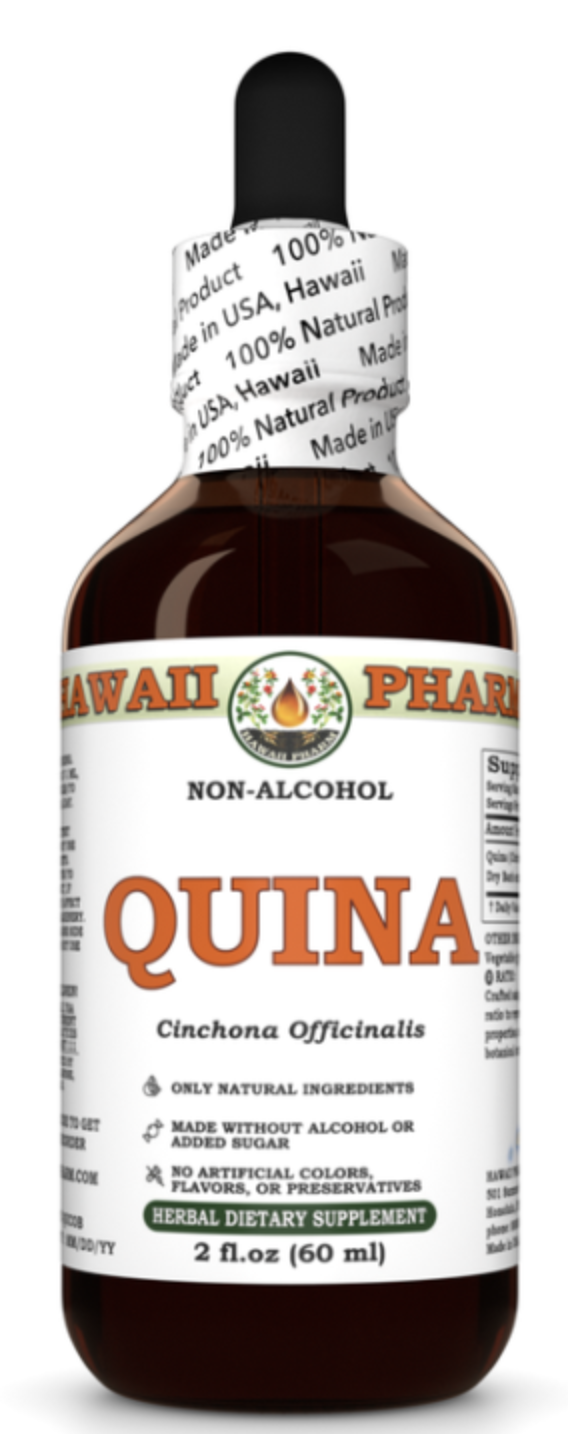
Quinine is a medicinal agent that is often used to treat malaria, a disease that produces a lot of vomiting and diarrhea. Quinine is a substance that comes from Cinchona officinalis, a tree that contains numerous medicinal substances besides just quinine. Doctors have developed different ways to make it easier to administer medicines like quinine to very sick patients including children who might refuse medications.