Artemisinin and Quinine for Viral Diseases
As an antiviral agent against different types of influenza, HIV, Zika virus, ebola, dengue, and HSV-1, quinine inhibits viral infection indirectly by activating the protein heat shock response, by interfering with viral replication pathways, by blocking viral gene expression, and by inhibiting Nuclear Factor kappa-B. This is noteworthy, but quinine is also an anti-inflammatory agent that can reduce symptoms of a cytokine storm following viral infection. It reduces pro-inflammatory cytokines while increasing anti-inflammatory cytokines during infection. Quinine is an anti-pyretic that has been used for centuries to reduce fever, after all (fever is sometimes caused by cytokines).
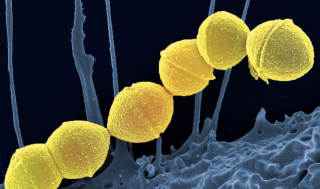
Quinine is a relevant medicine in the fight against childhood viral infections, but of special note in our exploration of diphtheria is the idea that one pathogenic infection can create a weakness in the human body that a second pathogen could exploit. A child might develop a set of symptoms that, for example, look like hand, foot, and mouth disease (Coxsackievirus infection) but the disease might actually have been sponsored by Group A Streptococci infection. Streptococcal infections, after all, have a reputation for lowering immunity and creating “weak spots” that can be exploited by other infectious pathogens as we’ve discussed in regard to diphtheria. So let’s consider how quinine would work against viral infections during childhood too. Its mechanism of action against viruses is different than how quinine works to kill the protozoa, malaria, and heme-loving bacteria like Streptococcus pyogenes.
Click here to schedule a health coaching session with us.
One study pointed out the fact that streptococcus bacteria have been blamed for rheumatic heart disease, but the Coxsackievirus can produce a very similar heart-valve disease that simulates rheumatic fever. Like the mutually beneficial relationship between streptococcus Group A and diphtheria bacteria, it’s likely that Coxsackievirus and Streptococcus pyogenes also benefit from each other’s presence in the body. In order to overcome one of these infections, you have to overcome them both.
Quite a lot of epidemiological and experimental studies have supported the theory that rheumatic heart disease and autoimmune myocarditis (heart inflammation) are due to combined infections with streptococcus A bacteria and the Coxsackievirus that causes hand, foot, and mouth disease. In myocarditis, the “M protein” of streptococcus A mimics myosin, a protein that forms the contractile elements of muscle cells such as those found in the heart. Coxsackievirus proteins, on the other hand, mimic actin, a protein in heart muscle and in skeletal muscle that works with myosin to produce contractions. So you have streptococcus A “M proteins” acting like myosin and Coxsackievirus proteins acting as actin in a collaborative relationship. The immune system produces antibodies against the Coxsackievirus actin as an antigen. Anti-Coxsackievirus antibodies can target heart muscle to ultimately produce autoimmune myocarditis and rheumatic heart disease.
Click here to subscribe to the Living Database now.
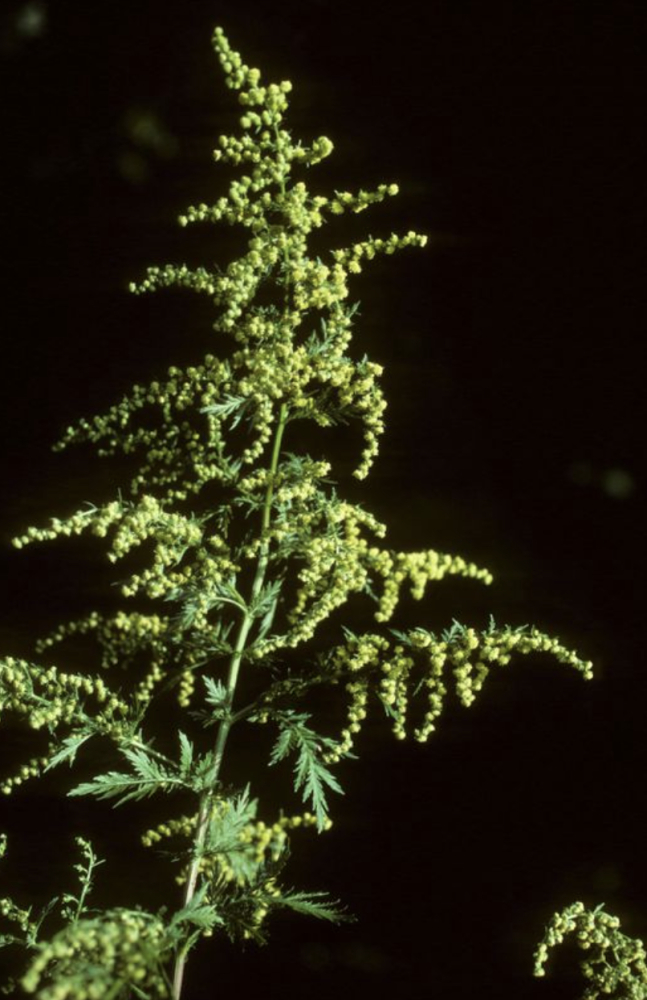
Scientists who have observed this complementarity between Streptococcus bacteria and Coxsackievirus have proposed the idea that Streptococcus Group A bacteria and Coxsackievirus proteins may be “molecularly complementary” as actin and myosin are complementary. Streptococcal Group A and Coxsackievirus might produce a complex that provokes idiotypic or unique antibodies that produce a more severe type of physical response (in this case, myocarditis). This theory strains to maintain the idea that autoimmunity is still relevant when infectious pathogens are clearly the underlying cause of the problem, but nonetheless, the fact that strep bacteria mimics myosin while Coxsackievirus mimics actin deserves mention. But as we’ve demonstrated in our discussion of diphtheria bacteria that enjoy the iron-left-overs from steptococcal colonization and hemolysis in the body, in our consideration of quinine medicinal activity in the body, what’s important here is the idea that two pathogens can create exploitable weaknesses for each other allowing them both to coexist and become stabilized in a manner that produces chronic, ongoing illness.With this in mind, it makes sense that a natural medicine like Cinchona officinalis and quinine, would be covered up in conventional medicine. Cinchona (with its multiple medicinal substances including quinine) and quinine by itself, have a powerful medicinal repertoire of actions against infectious diseases, including parasites, and protozoa as well as viruses and bacteria. While reactive oxygen species medicines like Chlorine Dioxide Solution / CDS / Miracle Mineral Supplement / MMS or food grade hydrogen peroxide also have broad antimicrobial actions in the body, they are also vulnerable to being canceled out by foods or drinks or other medications that contain neutralizing antioxidants. Quinine is often combined with Artemisia annua or Artemisinin, the substance in Artemisia annua that is analogous to quinine as a medicinal substance in Cinchona bark. While Artemisia annua releases broad-spectrum anti-pathogenic reactive oxygen species, Cinchona bark makes the body less amenable to colonization by restricting access to heme. Cinchona also lowers fever and treats some of the aches and pains in the body such that patients can rest more peacefully to overcome an infection too.
Click here to buy Cinchona officinalis / Quina.
The main takeaway here is that pathogens can support each other’s existence in the body through various mechanisms of action that aren’t yet fully understood. But there are natural medicines that have been used for centuries to overcome pathogens in the body such that when one of them is compromised and obliterated, the other pathogen also dies. While reactive oxygen species medicines like CDS / MMS and food grade hydrogen peroxide are incredibly effective at treating certain types of infection, one of the challenges with children is that they sometimes refuse to eat or to take medicines. Indeed, even adults who work with CDS / MMS or food grade hydrogen peroxide get frustrated by the fact that it isn’t possible to eat within 30 minutes of each dose of these medicines. Also, both of these medicines can become aversive. CDS / MMS is dosed hourly and if there is food in the stomach, it can neutralize its effects. Food grade hydrogen peroxide is often dosed 3 times daily, but if there’s food in the stomach, it causes vomiting. Quinine and artemisinin (natural medicinal substances) or Cinchona officinalis and Artemisia annua (the whole herbs from which these substances are derived) are also administered hourly for 8 hours per day during infection (like CDS / MMS), but they’re less susceptible to breakdown or negative side effects like vomiting.Click here to learn more about the DreamLight.app, an online guided meditation and brain-entrainment tool.
Resources:
• Latarissa, I. R. et al. (2021). Potential of Quinine Sulfate for COVID-19 Treatment and Its Safety Profile: Review. Retrieved January 7, 2025 from https://pmc.ncbi.nlm.nih.gov/articles/PMC8665662/
• Setz, C. (2025). Synergistic Antiviral Activity of European Black Elderberry Fruit Extract and Quinine Against SARS-CoV-2 and Influenza A Virus. Retrieved January 11, 2026, from https://www.researchgate.net/publication/390331702_Synergistic_Antiviral_Activity_of_European_Black_Elderberry_Fruit_Extract_and_Quinine_Against_SARS-CoV-2_and_Influenza_A_Virusa
• Workman, A. D. et al. (2018). The Role of Quinine-Responsive Taste Receptor Family 2 in Airway Immune Defense and Chronic Rhinosinusitis. Retrieved January 13, 2026 from https://pmc.ncbi.nlm.nih.gov/articles/PMC5882797/
• Penn Medicine (n.d.). Is quinine the tonic for COVID-19? Retrieved January 13, 2026 from https://www3.pennmedicine.org/departments-and-centers/otorhinolaryngology/about-us/newsletters/archive/2021-newsletters/quinine-the-tonic-for-covid19
• Rezaie, P. et al. (2022). Quinine Effects on Gut and Pancreatic Hormones and Antropyloroduodenal Pressures in Humans - Role of Delivery Site and Sex. Retrieved January 13, 2025 from https://pmc.ncbi.nlm.nih.gov/articles/PMC9250303/
• Soremekun, R. O. et al. (2012). Formulation of quinine suppository for initiation of early treatment of malaria – a preliminary study. Retrieved January 13, 2026 from https://pmc.ncbi.nlm.nih.gov/articles/PMC11153357/
• Kamat, S. and Kumari, M. (2021). Repurposing Chloroquine Against Multiple Diseases With Special Attention to SARS-CoV-2 and Associated Toxicity. Retrieved January 14, 2026 from https://www.frontiersin.org/journals/pharmacology/articles/10.3389/fphar.2021.576093/full
• Wolf, R. et al. (2002). Quinine sulfate and bacterial invasion. Retrieved January 14, 2026 from https://pmc.ncbi.nlm.nih.gov/articles/PMC149380/
• Rattanachak, N. et al. (2022). Hydroquinine Possesses Antibacterial Activity, and at Half the MIC, Induces the Overexpression of RND-Type Efflux Pumps Using Multiplex Digital PCR in Pseudomonas aeruginosa. Retrieved January 14, 2025 from https://www.mdpi.com/2414-6366/7/8/156