Chapter 3: Herbalism for Toxoplasmosis
DISCLAIMER: CONSULT WITH A DOCTOR BEFORE DECIDING ON A TREATMENT PLAN FOR ANY DISEASE.
ome links may be affiliate links. We may get paid if you buy something or take an action after clicking one of these. We use this revenue to keep the site free to you.
Herbs for Toxoplasmosis
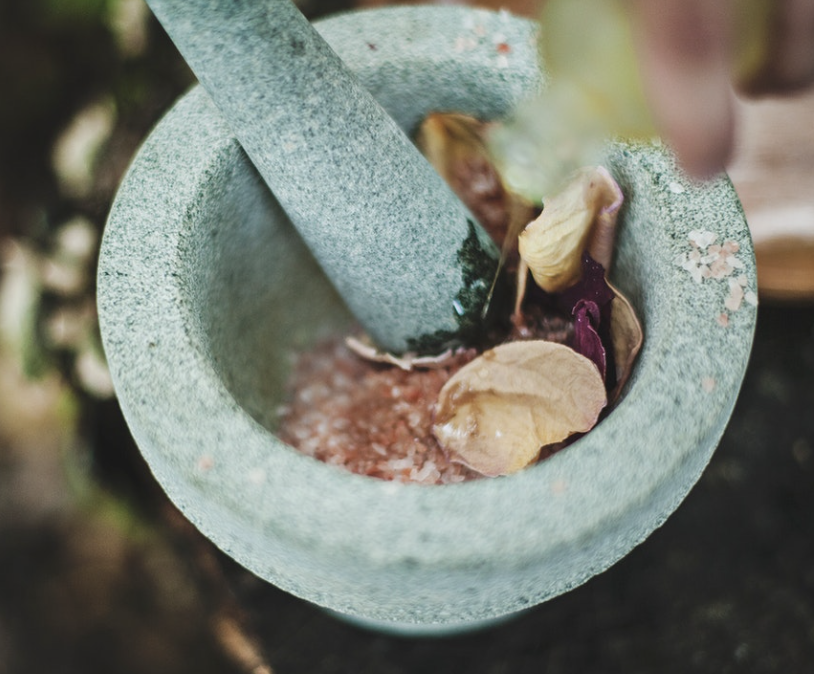
There are many herbal remedies for toxoplasmosis, it’s true. In this section, we’ll talk about a few herbs that have a known, anti-Toxoplasma effect, but to really get the most out of an herbal remedy for toxoplasmosis, you have to realize that herbs don’t work like antibiotics to heal the body. Often, you have to take high doses of an herb for long periods of time to really see what that herb can do. Herbs don’t cover up symptoms (unless this is one of its medicinal effects). Rather, herbs are generally working to balance the body’s physiology to restore health.
Click here to schedule a health coaching call with us.
I remember my own initial consideration of herbs just a year or two after I’d completed my undergrad degree as a pre-med student majoring in biology and psychology. I had little respect for the herbs on display at Whole Foods (back then), even though I had to admit that the way they smelled really drew me in. I wanted to be interested. I wanted to understand how herbs worked, but sadly, at that time, I didn’t really believe that herbs could heal disease. It took many years for me to understand how to work with herbs and to be honest, it was my first Ayahuasca trip that completely changed my view of plants (if you’re not familiar with Ayahuasca, it is an entheogenic plant-medicine that heals both the body and the mind, or it tells you, on a psychedelic trip, which plants or medicines you need in order to heal yourself).
Today, I view herbs as teachers. When I first start studying a new set of diseases or disorders, I always start by looking at herbs that heal that disease. How the herb works and what the herb treats is a starting block for me. An herb that heals both a neurological disorder as well as gastrointestinal diseases is probably trying to teach me that GI diseases can lead to neurological problems or vice versa. If that’s new to me, I need to look closely at that connection. The plants are sentient beings and our bodies were designed to work with them. They know how to heal a human body. The body is made up of natural things. Plants are natural. So it makes sense. The medicinal substances in plants tend to fit very neatly with the receptors in our bodies to produce very balanced and inspired medicinal effects.
But a lot of people in today’s world are too sick and too far away from nature to be able to rely exclusively on herbalism for healing, at least during the initial phases of curing a disease. A person who has been inundated with drug-therapy for years from a conventional medicine doctor may need to work with more than just herbalism to overcome their disease. Sometimes this isn’t true, but sometimes it is. I’ve had a lot of easy success with herbs, but I’ve also had to work really hard and drag myself through certain dis-ease states to find a way to cure myself or my loved ones. In any case, herbalism is a foundation in most systems of medicine outside of conventional medicine for a reason. Traditional Chinese Medicine (TCM), and Ayurveda use herbs as a foundation for treatments, but these systems of medicine (that are fairly well-known in the west) also use other treatments like acupuncture or vamana detoxification protocols to remove toxins or alter the way that the energy is flowing inside the body. Both TCM and Ayurveda view the body as an ecological unit that exists within the bigger ecology of the world and also the cosmos. Conventional medicine does not acknowledge ecology as a valuable construct when treating disease. But to get the most out of herbalism, it’s best to view the body as a complex ecology that is impacted by the sun, the moon, the stars, climate, and ecological changes that happen on earth.
The idea of “ecology” sounds complex and it is wonderfully complex if you choose to really dive into the world of herbalism, but if you’re just starting to look at ways to cure schizophrenia, or overcome neurodegenerative disease, or stop having seizures, you’d want to read just a bit about herbal cures without having to study an entire system of medicine. Disease is stressful. You have to start somewhere. Yet, as you read about these herbal cures, just be aware that there are hundreds, or perhaps thousands of herbal cures for toxoplasmosis (and the symptoms that this disease causes). Note the other diseases that each of these herbs can treat. Many of the herbal cures for toxoplasmosis work to treat a wide range of pathogens which suggests that these herbs address underlying weaknesses in the body that can easily be exploited by opportunistic bacteria, fungi, viruses, etc.
Be aware that herb-research is never funded except to find “lead agents” for new drugs. So herbs are never studied to find out what they can do. They’re studied to find out what Big Pharma can harvest from the herb and then exploit to make a lot of money. Anytime a Big Pharma-sponsored organization (or the AI results on a search engine) speaks about an herb, they always say that the herb is not a viable treatment for a disease “based on the research”. In fact, the scientific research will never prove that an herb cures a disease because such a study would never be funded. If it a study is funded that shows by accident that an herb cures a disease, that research will be covered up and obscured by new research that conflicts with the good news from the initial research. So in terms of science we really don’t know what most herbs are capable of doing or how they work. Yet, traditional medicine has been using herbs for centuries to cure diseases. Traditional healers know which herbs are best to treat a disease even though that wisdom is passed down from one generation to the next through anecdotal experience and stories.
Final Thoughts
As a kid, I was always prone to respiratory infections. Meanwhile, my brother always ended up with diarrhea. I know now that my respiratory-inclinations had to do with how my autonomic nervous system was wired. My nervous system tended to go toward a sympathetic, fight-or-flight response during infection. My brother’s nervous system went more toward a “play dead”, parasympathetic response. He and I would get sick at the same time with the same disease, but our treatments would have differed if we’d been treated by a TCM practitioner or an Ayurvedic expert because he and I were quite different on a physiological level. More than 100 years ago, doctors knew about the so-called “nauseating-expectorant herbs” like Lobelia inflata that could reset the autonomic nervous system depending on whether it was administered to the skin or ingested orally. Lobelia inflata also contains nicotinic receptor agonists like lobeline. It can be smoked in place of tobacco to break a tobacco addiction, but, despite the misuse of tobacco by the cigarette industry, Tobacco is one of the most important medicines for parasite infections, among other things.
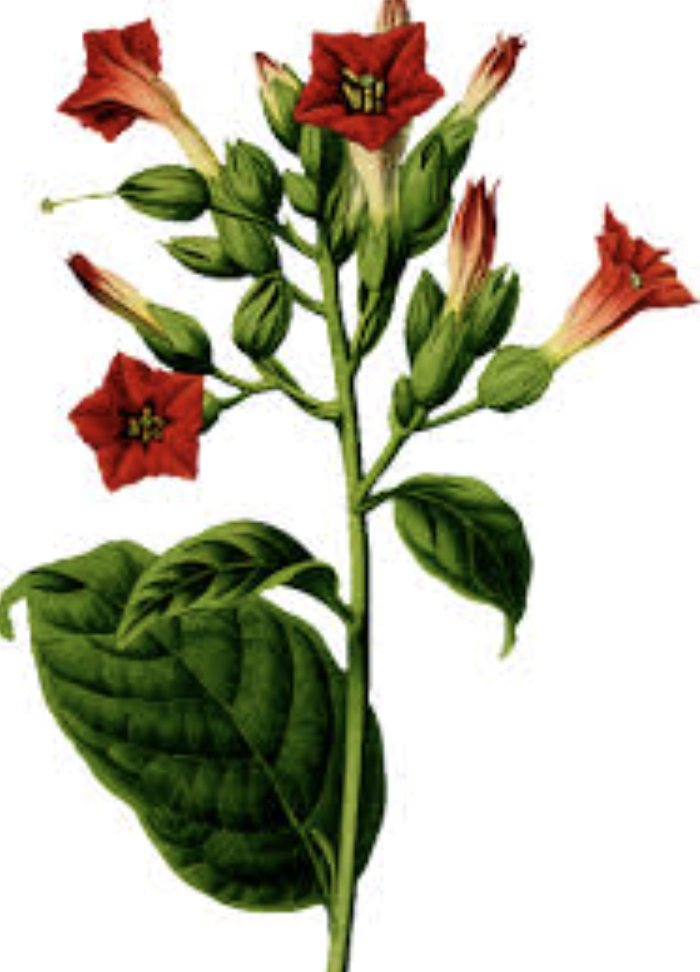
Indeed, studies have shown an inverse relationship between tobacco use and toxoplasmosis seropositivity. Does this mean that toxoplasmosis patients should start smoking cigarettes? Definitely not! In fact, people with schizophrenia are more likely to become addicted to cigarettes, but few doctors tell their patients that, if they quit smoking at some point while they’re still taking antipsychotic medication, the lack of nicotine in the body will change how the body metabolizes the antipsychotics. A patient on antipsychotics who quietly tries to quit smoking can die as a result of this issue. But cigarettes are not the same as the sacred medicine that’s been in use for thousands of years all across the world in tribal cultures. Wild tobacco, also known as Mapacho or Nicotiana rustica, is not the same as the tobacco that’s used in commercial tobacco products. And commercial tobacco products contain other toxins that cause serious health problems in smokers and those who “chew”.
Tobacco is an important sacred medicine. It’s viewed as the original sacred medicine and other sacred medicines tend to work better when combined with a small dose of Mapacho. By itself, tobacco promotes good social behavior. This is why Native people used it in “peace pipe” ceremonies. But the phrase, “blowing smoke up someone’s ass” comes also from the use of tobacco to bring people back from the dead. Before CPR was available to help people who had suffocated or drowned, Native Americans would put a hollowed out branch up the rectum of a victim who had stopped breathing so as to blow Tobacco smoke into lower intestines. This would sometimes bring that person back to life.
My brother needed nicotine. He was always prone to digestive issues. Indeed, gastrointestinal problems tend to pertain to nicotinic receptors that have been hijacked or the need to stimulate these receptors with niacin (also known as nicotinic acid or vitamin B3).
Click here to buy Natural Treatments and Cures for Toxoplasma gondii Infection.
What causes one person to develop psychosis may cause another person to develop ulcerative colitis. That might sound hard to believe, but it’s absolutely true. Indeed, the DMSO and niacin cure for Crohn’s disease and ulcerative colitis is very similar to the DMSO and niacin cure for schizophrenia (we’ve written about these cures for both inflammatory bowel disorders and psychosis at AlivenHealthy.com). Sometimes the cure for a disease is literally sitting right in front of us on our spice rack but we can’t see it because we’ve been taught not to look. The annoying smoking habit of a loved one with severe mental illness might actually be somewhat medicinal. One of the biggest challenges in curing a disease that’s been dubbed “incurable” has to do with learning new ways to view a set of symptoms and also a set of medicines. Society wants you to see things in a particular way. Your friend group might require you to give up on a loved one who seems “hopelessly” ill. But if you can find alternative ways to view a serious disease, you can, perhaps find ways to treat that disease and cure it.
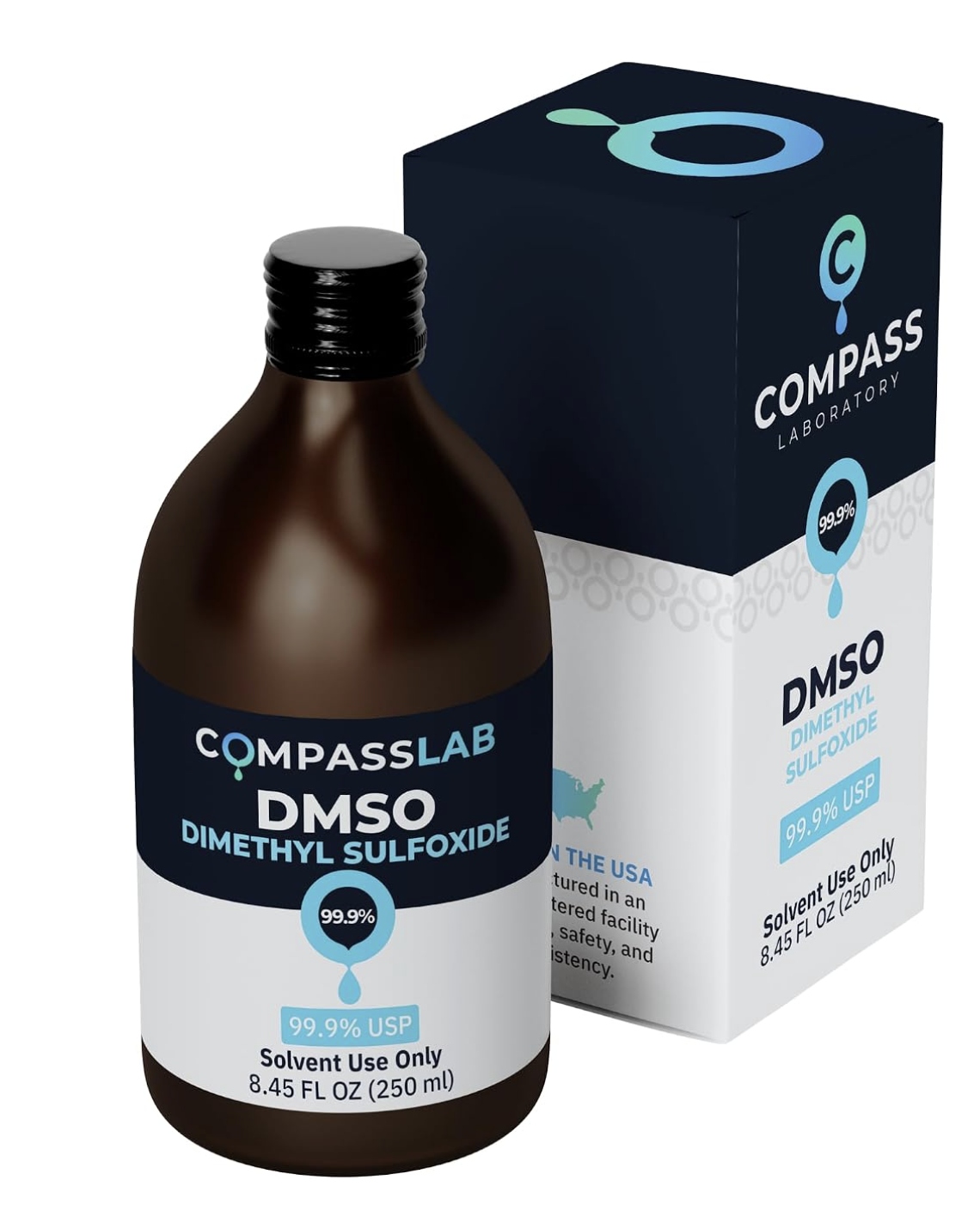
Click here to buy DMSO.
Herbs are intelligent, even dried herbs that are no longer alive. Some herbs that have been given a bad name or a bad reputation are incredibly valuable if you use them in the proper way and at the proper dose.
So in this section, we’re going to talk about herbal remedies for toxoplasmosis. We don’t specifically talk about tobacco or Lobelia inflata though these herbs can help other herbs work better. Tobacco can be administered as Ambil (a salt-based tobacco paste) or Hápe / Rápe (a plant-based snuff) if you’d like to avoid the toxins in commercial tobacco products (which is recommended).
Finally, herbs are not antibiotics. If you choose to work with an herb, let it teach you about itself and about the disease. This process of teaching and learning happens naturally if you don’t try to view the herbal remedy like conventional medicines that you’d get from a doctor. Herbs can be a first step toward healing. Often people need to switch from one herb to another, new herb as time goes on and the body begins to heal and change. Healing is a dynamic process, after all, that happens in a step-by-step fashion.
Once you begin working with herbs, you’ll also be working with nutrients and Nature herself. Herbs might be your first effort at reconnecting with nature to heal a disease. In that case, you can celebrate the fact that taking an herb can change your health trajectory in a positive way forever. Being sick feels meaningless especially if you spend your days sitting and waiting in doctor’s offices, but as people get better through the use of natural cures, bit-by-bit, the journey from sick to healthy begins to feel more like something to learn – or something we’ve been taught, but not in the way that school teaches us. Disease is not a punishment, but rather a form of guidance that takes us out of our comfort zone. A disease teaches us something from the inside out. Disease gives us the opportunity to remember what matters (or try to deny it or ignore it). Disease is really an opportunity – a fork in the road. Herbs are a way to take that opportunity to find our way back to nature and all of the cures that exist within nature.
Resources:
Behreini, M. S. et al. (2022). The Relationship of Latent Toxoplasmosis and Cigarette Smoking: Seroprevalence, Risk Factor, and Case-Control Study in Fars Province, Southern Iran. Retrieved August 26, 2026 from https://pmc.ncbi.nlm.nih.gov/articles/PMC9696781/
Be sure to take a look at a few of our e-Books titles below that might pertain to your health search:
Herbs for Toxoplasmosis
There are many herbal remedies for toxoplasmosis, it’s true. In this section, we’ll talk about a few herbs that have a known, anti-Toxoplasma effect, but to really get the most out of an herbal remedy for toxoplasmosis, you have to realize that herbs don’t work like antibiotics to heal the body. Often, you have to take high doses of an herb for long periods of time to really see what that herb can do. Herbs don’t cover up symptoms (unless this is one of its medicinal effects). Rather, herbs are generally working to balance the body’s physiology to restore health.
Click here to schedule a health coaching call with us.
I remember my own initial consideration of herbs just a year or two after I’d completed my undergrad degree as a pre-med student majoring in biology and psychology. I had little respect for the herbs on display at Whole Foods (back then), even though I had to admit that the way they smelled really drew me in. I wanted to be interested. I wanted to understand how herbs worked, but sadly, at that time, I didn’t really believe that herbs could heal disease. It took many years for me to understand how to work with herbs and to be honest, it was my first Ayahuasca trip that completely changed my view of plants (if you’re not familiar with Ayahuasca, it is an entheogenic plant-medicine that heals both the body and the mind, or it tells you, on a psychedelic trip, which plants or medicines you need in order to heal yourself).
Today, I view herbs as teachers. When I first start studying a new set of diseases or disorders, I always start by looking at herbs that heal that disease. How the herb works and what the herb treats is a starting block for me. An herb that heals both a neurological disorder as well as gastrointestinal diseases is probably trying to teach me that GI diseases can lead to neurological problems or vice versa. If that’s new to me, I need to look closely at that connection. The plants are sentient beings and our bodies were designed to work with them. They know how to heal a human body. The body is made up of natural things. Plants are natural. So it makes sense. The medicinal substances in plants tend to fit very neatly with the receptors in our bodies to produce very balanced and inspired medicinal effects.
But a lot of people in today’s world are too sick and too far away from nature to be able to rely exclusively on herbalism for healing, at least during the initial phases of curing a disease. A person who has been inundated with drug-therapy for years from a conventional medicine doctor may need to work with more than just herbalism to overcome their disease. Sometimes this isn’t true, but sometimes it is. I’ve had a lot of easy success with herbs, but I’ve also had to work really hard and drag myself through certain dis-ease states to find a way to cure myself or my loved ones. In any case, herbalism is a foundation in most systems of medicine outside of conventional medicine for a reason. Traditional Chinese Medicine (TCM), and Ayurveda use herbs as a foundation for treatments, but these systems of medicine (that are fairly well-known in the west) also use other treatments like acupuncture or vamana detoxification protocols to remove toxins or alter the way that the energy is flowing inside the body. Both TCM and Ayurveda view the body as an ecological unit that exists within the bigger ecology of the world and also the cosmos. Conventional medicine does not acknowledge ecology as a valuable construct when treating disease. But to get the most out of herbalism, it’s best to view the body as a complex ecology that is impacted by the sun, the moon, the stars, climate, and ecological changes that happen on earth.
The idea of “ecology” sounds complex and it is wonderfully complex if you choose to really dive into the world of herbalism, but if you’re just starting to look at ways to cure schizophrenia, or overcome neurodegenerative disease, or stop having seizures, you’d want to read just a bit about herbal cures without having to study an entire system of medicine. Disease is stressful. You have to start somewhere. Yet, as you read about these herbal cures, just be aware that there are hundreds, or perhaps thousands of herbal cures for toxoplasmosis (and the symptoms that this disease causes). Note the other diseases that each of these herbs can treat. Many of the herbal cures for toxoplasmosis work to treat a wide range of pathogens which suggests that these herbs address underlying weaknesses in the body that can easily be exploited by opportunistic bacteria, fungi, viruses, etc.
Be aware that herb-research is never funded except to find “lead agents” for new drugs. So herbs are never studied to find out what they can do. They’re studied to find out what Big Pharma can harvest from the herb and then exploit to make a lot of money. Anytime a Big Pharma-sponsored organization (or the AI results on a search engine) speaks about an herb, they always say that the herb is not a viable treatment for a disease “based on the research”. In fact, the scientific research will never prove that an herb cures a disease because such a study would never be funded. If it a study is funded that shows by accident that an herb cures a disease, that research will be covered up and obscured by new research that conflicts with the good news from the initial research. So in terms of science we really don’t know what most herbs are capable of doing or how they work. Yet, traditional medicine has been using herbs for centuries to cure diseases. Traditional healers know which herbs are best to treat a disease even though that wisdom is passed down from one generation to the next through anecdotal experience and stories.
Final Thoughts
As a kid, I was always prone to respiratory infections. Meanwhile, my brother always ended up with diarrhea. I know now that my respiratory-inclinations had to do with how my autonomic nervous system was wired. My nervous system tended to go toward a sympathetic, fight-or-flight response during infection. My brother’s nervous system went more toward a “play dead”, parasympathetic response. He and I would get sick at the same time with the same disease, but our treatments would have differed if we’d been treated by a TCM practitioner or an Ayurvedic expert because he and I were quite different on a physiological level. More than 100 years ago, doctors knew about the so-called “nauseating-expectorant herbs” like Lobelia inflata that could reset the autonomic nervous system depending on whether it was administered to the skin or ingested orally. Lobelia inflata also contains nicotinic receptor agonists like lobeline. It can be smoked in place of tobacco to break a tobacco addiction, but, despite the misuse of tobacco by the cigarette industry, Tobacco is one of the most important medicines for parasite infections, among other things.
Indeed, studies have shown an inverse relationship between tobacco use and toxoplasmosis seropositivity. Does this mean that toxoplasmosis patients should start smoking cigarettes? Definitely not! In fact, people with schizophrenia are more likely to become addicted to cigarettes, but few doctors tell their patients that, if they quit smoking at some point while they’re still taking antipsychotic medication, the lack of nicotine in the body will change how the body metabolizes the antipsychotics. A patient on antipsychotics who quietly tries to quit smoking can die as a result of this issue. But cigarettes are not the same as the sacred medicine that’s been in use for thousands of years all across the world in tribal cultures. Wild tobacco, also known as Mapacho or Nicotiana rustica, is not the same as the tobacco that’s used in commercial tobacco products. And commercial tobacco products contain other toxins that cause serious health problems in smokers and those who “chew”.
Tobacco is an important sacred medicine. It’s viewed as the original sacred medicine and other sacred medicines tend to work better when combined with a small dose of Mapacho. By itself, tobacco promotes good social behavior. This is why Native people used it in “peace pipe” ceremonies. But the phrase, “blowing smoke up someone’s ass” comes also from the use of tobacco to bring people back from the dead. Before CPR was available to help people who had suffocated or drowned, Native Americans would put a hollowed out branch up the rectum of a victim who had stopped breathing so as to blow Tobacco smoke into lower intestines. This would sometimes bring that person back to life.
My brother needed nicotine. He was always prone to digestive issues. Indeed, gastrointestinal problems tend to pertain to nicotinic receptors that have been hijacked or the need to stimulate these receptors with niacin (also known as nicotinic acid or vitamin B3).
Click here to buy Natural Treatments and Cures for Toxoplasma gondii Infection.
What causes one person to develop psychosis may cause another person to develop ulcerative colitis. That might sound hard to believe, but it’s absolutely true. Indeed, the DMSO and niacin cure for Crohn’s disease and ulcerative colitis is very similar to the DMSO and niacin cure for schizophrenia (we’ve written about these cures for both inflammatory bowel disorders and psychosis at AlivenHealthy.com). Sometimes the cure for a disease is literally sitting right in front of us on our spice rack but we can’t see it because we’ve been taught not to look. The annoying smoking habit of a loved one with severe mental illness might actually be somewhat medicinal. One of the biggest challenges in curing a disease that’s been dubbed “incurable” has to do with learning new ways to view a set of symptoms and also a set of medicines. Society wants you to see things in a particular way. Your friend group might require you to give up on a loved one who seems “hopelessly” ill. But if you can find alternative ways to view a serious disease, you can, perhaps find ways to treat that disease and cure it.
Click here to buy DMSO.
Herbs are intelligent, even dried herbs that are no longer alive. Some herbs that have been given a bad name or a bad reputation are incredibly valuable if you use them in the proper way and at the proper dose.
So in this section, we’re going to talk about herbal remedies for toxoplasmosis. We don’t specifically talk about tobacco or Lobelia inflata though these herbs can help other herbs work better. Tobacco can be administered as Ambil (a salt-based tobacco paste) or Hápe / Rápe (a plant-based snuff) if you’d like to avoid the toxins in commercial tobacco products (which is recommended).
Finally, herbs are not antibiotics. If you choose to work with an herb, let it teach you about itself and about the disease. This process of teaching and learning happens naturally if you don’t try to view the herbal remedy like conventional medicines that you’d get from a doctor. Herbs can be a first step toward healing. Often people need to switch from one herb to another, new herb as time goes on and the body begins to heal and change. Healing is a dynamic process, after all, that happens in a step-by-step fashion.
Once you begin working with herbs, you’ll also be working with nutrients and Nature herself. Herbs might be your first effort at reconnecting with nature to heal a disease. In that case, you can celebrate the fact that taking an herb can change your health trajectory in a positive way forever. Being sick feels meaningless especially if you spend your days sitting and waiting in doctor’s offices, but as people get better through the use of natural cures, bit-by-bit, the journey from sick to healthy begins to feel more like something to learn – or something we’ve been taught, but not in the way that school teaches us. Disease is not a punishment, but rather a form of guidance that takes us out of our comfort zone. A disease teaches us something from the inside out. Disease gives us the opportunity to remember what matters (or try to deny it or ignore it). Disease is really an opportunity – a fork in the road. Herbs are a way to take that opportunity to find our way back to nature and all of the cures that exist within nature.
Resources:
Behreini, M. S. et al. (2022). The Relationship of Latent Toxoplasmosis and Cigarette Smoking: Seroprevalence, Risk Factor, and Case-Control Study in Fars Province, Southern Iran. Retrieved August 26, 2026 from https://pmc.ncbi.nlm.nih.gov/articles/PMC9696781/