QUICK START GUIDE: How to Cure ADHD at Home
 If you’re new to the idea of treating ADHD naturally at home, this quick start guide will give you a basic overview of the material that we elaborate on in the remainder of this book. Though much of the content is written as though we are talking to parents of children with ADHD, these natural treatments can easily be used by adults with ADHD by adjusting to the adult dosage.
Core Supplements for Treating ADHD Naturally At Home
There are two core natural supplements that you might choose to use to treat ADHD without stimulants. Both supplements ultimately work because the body transforms the amino acids in these supplements into dopamine in the brain. Also note, however, that in addition to these two core supplements (either Mucuna pruriens or L-Tyrosine), your child will also need to work with supportive nutrients and other supportive therapies, in particular trauma-informed therapies.
Click here to schedule a health coaching call with us.
The basic, natural, at-home treatment for ADHD is relatively straightforward. You administer daily supplements 4 times throughout the day for 5 to 6 months to regrow dopamine neurons. But in order to cure ADHD, you will need to administer some treatments for a potential underlying infection such as Streptococcus pyogenes (among other types of pathogens). Unfortunately lab results don’t always reveal low-level infection with Streptococcus pyogenes and the other hemolytic pathogens that can “infect” dopamine neurons and hijack muscle tissue to cause ADHD symptoms. But though you can’t rely on lab results to find out whether your child has one of the many types of pathogenic infection that might cause ADHD symptoms, there are several safe, at-home treatment protocols that you can do with your child for 14-28 days to test him or her (or yourself) to see if these treatments are improve symptoms or not. If the treatment that we outline in our book helps the ADHD patient, then an infection was likely an underlying cause.Iron deficiency anemia is another major issue in patients with ADHD because the pathogens that might cause ADHD symptoms are often hemolytic. In other words, they survive and thrive in the body by “eating” the iron in our red blood cells. This can lead to iron deficiency (which may or may not be revealed through a lab test) or iron deficiency anemia (which is a more severe level of iron deficiency). In a child, iron deficiency or iron deficiency anemia can cause poor concentration, hyperactivity, and an inability to sit still even while relaxing. In adults with iron deficiency or iron deficiency anemia, the symptoms are a little bit different. Instead of becoming hyperactive, adults with iron deficiency or iron deficiency anemia might have brain fog, and they might be lethargic, unmotivated, depressed, or anxious, and constantly exhausted. Some adults might also feel “panic” and suffer from panic disorders in addition to ADHD symptoms as a result of iron deficiency. We’ll talk more about this problem in the Cure ADHD Now book, but be aware that you should NOT take iron supplements for iron deficiency. Our bodies recycle iron so taking iron supplements can actually feed the invading ADHD pathogen and cause damage to our human tissues as the same time. Rather, copper is the nutrient that people require in order to re-establish normal iron levels in the body. We discuss this in greater depth later, but just be aware that gastrointestinal inflammation is almost always a problem in those with ADHD and iron deficiency. We’ll provide information about a protocol that we’ve used multiple times to bypass the problem of gut inflammation and poor nutrient absorption in the Cure ADHD Now book.
In addition to taking nutrient supplements to regrow dopamine neurons while doing a protocol to kill pathogens that cause ADHD, you’ll also need to do a protocol to improve iron levels in the body using some surprising treatments that will help you get past the problem of gut inflammation and poor nutrient absorption. But to really overcome ADHD permanently, you will need to work with trauma-informed therapies. Some of these therapies can be done intensively such that you could overcome ADHD quickly. Other therapies could be administered weekly. There are a variety of trauma-informed therapies, but it’s vital that you choose one or more of these treatments which mesh fluidly with Mucuna pruriens treatment. Don’t neglect this part of treatment! We’ve had to learn the hard way that Mucuna pruriens is one side of the coin. In order to cure ADHD, you regrow dopamine neurons in the logical left-brain using Mucuna pruriens and you address right-brain emotion-based issues that cause ADHD symptoms by doing one or more trauma-informed therapies to permanently release underlying trauma that causes ADHD symptoms.
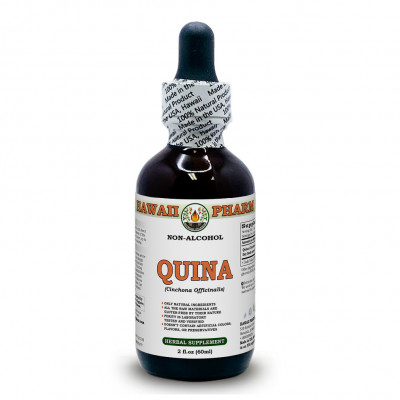 Click here to buy Hawaii Pharm's Cinchona Bark extract.
Mucuna pruriens
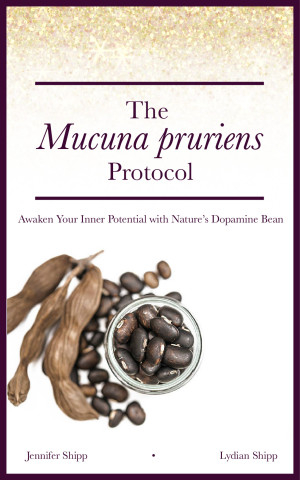
Mucuna is a bean plant. The bean is the medicinal part of the plant and it can be administered in food as a part of the diet or it can be ground into a powder to drink it like coffee, or it can be mixed with raw, organic honey or maple syrup and other vitamins and minerals to make an extremely nutritious supplement that tastes good to kids and that also contains sugars to help the brain work better. Mucuna not only recharges the brain with dopamine that kids need to be able to control their behaviors, but it also rebuilds dopamine receptors over time so that kids and adults need less and less of this herb. Regrowth of dopamine receptors typically takes 5 months and high doses of Mucuna are recommended during that time to promote regrowth. At the same time, ADHD patients need to work with trauma-informed therapies so that when dopamine receptors regrow to their maximum level, the emotional-brain can connect in a healthy way to logical, left-brain, dopamine-driven thoughts.
Click here to buy the book Cure ADHD Now.
NOTE: Information about Mucuna pruriens has been systematically muddled by the pharmaceutical industry such that most scientists don’t even realize that the natural L-Dopa found in the human brain and in Mucuna pruriens is chemically very different from the synthetic L-Dopa produced by Big Pharma. Synthetic L-dopa contains the synthetic L-dopa / Levodopa as well as another synthetic drug known as Carbidopa. So the synthetic drug prescribed by doctors is not remotely similar on a chemical level to natural L-dopa that our bodies produce in the brain. This is why it’s entirely safe and beneficial to take Mucuna pruriens daily at very high doses.Amino Acids
If you Google Mucuna pruriens and attempt to research the topic of Mucuna on your own, you’ll likely grow concerned that the L-Dopa in Mucuna will damage the brain over time. Indeed, the L-Dopa that’s produced in a laboratory damages the brain and shouldn’t be administered for long periods of time, but the natural L-Dopa that’s found in fava beans and also in Mucuna is the raw material that our brains use to make dopamine, the neurotransmitter that’s lacking in ADHD patients. If we don’t consume L-Dopa in beans or other legumes like Mucuna, our bodies won’t manufacture a molecule that is identical to the L-Dopa in Mucuna pruriens and fava beans from L-Tyrosine or L-Phenylalanine (both are amino acids). L-Tyrosine and L-Phenylalanine are found in meats and animal products and in legumes and other items that are high in protein. Our bodies naturally produce L-Dopa from L-Tyrosine everyday. Without natural L-Dopa, we can’t produce dopamine. In turn, without dopamine, we can’t produce noradrenaline or adrenaline. The ADHD protocol that we talk about here is basically a nutritional protocol that supports the body’s natural production of dopamine in order to overcome symptoms of ADHD naturally.The process of converting L-Tyrosine or L-Phenylalanine into L-Dopa takes more time (4 to 8 hours longer) than if an ADHD patient were to consume either fava beans or Mucuna pruriens (wherein a conversion to dopamine takes only about 4 hours), but the end result is identical in both cases: dopamine is produced in the brain which gives the ADHD patient the ability to think and make wise decisions on their own behalf. If you wish to feel the effects of the ADHD supplements more quickly, take Mucuna pruriens and eat fava beans regularly because these foods contain L-Dopa, which is converted more quickly than L-Tyrosine into dopamine.
Click here to subscribe to the Living Database now.
Addressing ADHD Nutrient Deficiencies: Minerals and Vitamins for ADHD (Child and Adult)
The following nutrients are essential in promoting the conversion from amino acid (L-Dopa) to the neurotransmitter dopamine. A person who is low on neurotransmitters like dopamine will have trouble making positive decisions on their own behalf. Dopamine acts as decision-making-fuel that allows the brain to observe the results of each decision so that we can make good future decisions on our own behalf, based on real-life experience. A person who is low on dopamine won’t be able to decide, for example, not to do something that they know is bad for them. A person who is low on dopamine also won’t be able to decide to do something positive for themselves. A positive decision might happen by accident, but people who have an issue with dopamine production in the brain may feel as though they can’t trust themselves to follow through on their own behalf. It’s easy to see why dopamine plays such an important role in ADHD and addiction once you realize that dopamine is used for decision-making.
Dopamine also plays a role in focus and basic self-control. For example, the decision to focus or to sit still begins with dopamine, but in order for a person to choose to sit still and focus, their body must be sufficiently relaxed which requires adequate levels of magnesium and iron. Iodine levels may also play an important role in thinking, memory, and focus. Other nutrients help convert amino acids into the neurotransmitter dopamine as well as other neurotransmitters in the brain.
Click here to do a free trial of EMDR to Release Trauma.
Multivitamin or Moringa Powder
Most multivitamins for kids contain sugar or other undesirable additives that can do more harm than good in kids with ADHD. Renzo’s multivitamin is one of the best for kids with ADHD, but it still doesn’t contain vitamin K2 / MK-7, which is necessary for the body to use vitamin D3 properly (which inevitably leads to dental problems over time). Adults in search of a good multivitamin will run into a similar problem! The Thorne Research multivitamin is the only multi that I know of that includes vitamin K2 / MK-7, which demonstrates that they’re current on vitamin research at least. For those on a budget, I recommend moringa powder as an alternative to an expensive multivitamin that contains sugars or other additives that can be harmful to health.
Vitamin B6
Child dose: 25-50 mg per day Adult dose: 50-100 mg per day
Zinc
Child dose: 20 mg Adult dose: 20-50 mg
Note that zinc supplementation is important, but zinc can lower the body’s levels of copper. And as we’ve discussed above, copper (in trace quantities) is key to keeping iron levels balanced in the body.
Red Wine
This is a controversial “supplement” for kids and adults, but it is one of few things that reliably works to restore iron and copper levels to the body normally. If, as a parent, you feel averse to giving your child alcohol, remember that for centuries alcohol-based herbal tinctures have been used to deliver medicinal agents to children in medicinal herbs. Indeed, whiskey and red wine can actually cure diphtheria if administered at the proper, high dose in the early stages of the disease.
Red wine should be given in low doses (¼ of a teaspoon at every meal for kids aged 2 years or more) to children throughout the day to encourage the body to produce red blood cells that, in turn, feed oxygen to every cell in the body. Babies younger than 2 years of age can be given a few drops of red wine in a bottle of milk throughout the day. We often dilute the red wine with a small amount of water (1-2 teaspoons) and add a sweetener like stevia, monk fruit, or maple syrup to improve the taste.
We have administered red wine to children as young as 2 years old with excellent results in terms of rebuilding red blood cells in kids who were iron deficient starting out, but you can administer very low doses of red wine to children younger than age 2 if you suspect that the child has an infection with a hemolytic pathogen like Streptococcus pyogenes.
Adults should take 1 to 2 tablespoons of red wine at meals as part of the treatment for ADHD.
Click here to learn more about the DreamLight.app, an online guided meditation and brain-entrainment tool.
Red Meat
This is another somewhat controversial recommendation for ADHD kids and adults. Red meat is currently not en vogue. Many families today are vegan or vegetarian and on principle, they wish to avoid meat. We understand this idea, but if you or your child has ADHD, be aware that eating red meat is one of the foundational treatments for ADHD that we recommend based on our personal experience treating this disorder.
Give your child at least ½ of a hamburger or more daily for ages 2 and up.
Eggs
Eggs are another high-iron food, particularly egg yolks. Children with ADHD should eat several grass-fed, organic eggs daily.
Magnesium
Magnesium can be administered using “diarrhea dosing” wherein you administered a small dose initially on the first day of treatment (100 mg, for example). This dose is then increased by 100-200 mg daily until the patient develops diarrhea. When the patient develops diarrhea, subtract 100-200 mg and that’s their target daily dose.
Magnesium glycinate - child dose: 300-600 mg (divided doses, administered with large doses in the evening) Magnesium glycinate - adult dose: 600-1200 mg per day
NOTE: During treatment with Cinchona officinalis / quinine, don’t administer Magnesium in any form for 2 hours before the START treatment with Cinchona / quinine each day and also for 2 hours AFTER ending treatment at the end of the day. Magnesium can inhibit quinine and vice versa. Thus, you should administer magnesium at a separate time of day during the quinine / Cinchona officinalis part of this ADHD protocol.
Fat Soluble Vitamins and Omega 3 Fatty Acids
The brain is literally made of fatty acids so this supplement will help rebuild the brain which is particularly important in children and adults who have been exposed to anti-ADHD prescription medications.
Cod liver oil contains vitamins A, D, E, K1, and K2. Without these fat-soluble vitamins, Lugol’s iodine won’t be able to do the work that it needs to do to heal the brain and the body.
Child dose: 1 teaspoon Cod Liver Oil daily Adult dose: 1 tablespoon Cod Liver Oil daily
Lugol’s Iodine
Lugol’s iodine promotes intelligence, cognitive stability, and a healthy immune system in children. In adults, Lugol’s iodine is necessary for proper thyroid and metabolic function. Most kids and adults are deficient in iodine which leads to a wide variety of diseases and disorders. Iodine deficiency should always be considered in individuals with mental or intellectual issues so we always recommend iodine supplements in ADHD kids and adults.
Indeed, a lot goes wrong in the body when iodine is deficient. Iodine deficiency is a downward spiral that, once established, requires a concerted effort with nutrient supplements, to overcome it.
Some kids with ADHD are obese. Other kids with ADHD are thin and tiny for their age. In either case, body mass index is a problem which points to thyroid dysfunction. Thyroid debility that results from iodine deficiency can, in turn, make a child susceptible to infections like Coxsackievirus among others. These infections might initially produce symptoms of disease like hand, foot, and mouth disease, but later, a pathogen like Coxsackievirus may colonize the body in very low levels to produce ongoing or sporadic insulin resistance or even diabetes.
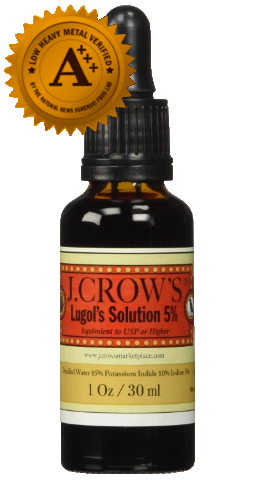
Click here to buy Lugol's Iodine 2%.
The Cinchona officinalis / quinine protocol that we discuss later can be used to get rid of Coxsackievirus as well as Streptococcus pyogenes that work together in the body to cause symptoms of ADHD. Indeed, Coxsackievirus and Streptococcus pyogenes can mimic human muscle tissues to produce Sydenham’s chorea, a disease that’s often misdiagnosed as ADHD in today’s world.The best way to feed the thyroid gland to fortify it is with iodine. Both adults and kids should start by taking 1 drop of Lugol’s iodine daily (apply it to the wrist). It’s common for Americans to develop a rash after beginning to take iodine supplementation and it’s also common for doctors to misdiagnose this rash as an allergic reaction to iodine. Though it isn’t possible for people to be allergic to this essential mineral, doctors are taught to steer their patients away from iodine because iodine can heal many diseases and disorders when properly administered. The rash happens when iodine goes into the thyroid gland and kicks bromine / bromimde and fluoride out of iodine receptors. The bromide and fluoride go into the bloodstream for removal by the kidneys causing the allergic-type reaction as the body attempts to remove these toxic chemicals from the body. Read more about iodine and how to administer it properly here.
Child dose: Start with 1 drop of Lugol’s iodine 2% on the wrist in the morning before 1:00 PM. Increase the dose by 1 drop per week until the child is being given 5-10 drops daily.
Adult dose: Start with 1 drop of Lugol’s iodine 2% on the wrist in the morning before 1:00 PM. Increase the dose by 1 drop per week until you are administering 15-20 drops daily.
Click here to buy The Iodine Bible.
Melatonin
Melatonin should be administered at night-time to promote better sleep. Administer one dose of Magnesium glycinate at night (100-300 mg in kids; 300-600 mg in adults). If you are administering Cinchona officinalis / quinine during the daytime house (note that some people do administer Cinchona / quinine at night for restless legs syndrome), wait for 2 hours after the last dose to administer Magnesium.
Give the melatonin supplement with magnesium or administer melatonin separately. Administer melatonin 1 hour before bedtime and limit screen time prior to bed.
Administer 5 mg per 1 year of the child’s age. Children over 12 years of age can take 40-60 mg of melatonin nightly. Adults can take up to 120 mg of melatonin per night.
Child dose: 5-30 mg extended release tablet Adult dose: 10-120 mg extended release tablet
Click here to buy The Renegade Parent’s Guide to Children’s Health and Healing - Encyclopedia of Herbal Remedies.
The Anti-ADHD Parasite Cleanse
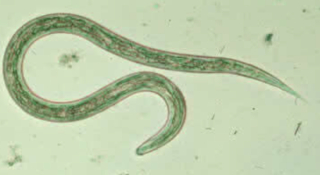
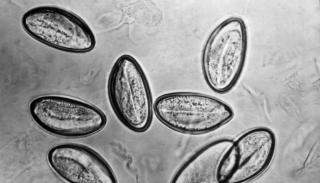
Pinworms spread in institutional settings like daycares, hospitals, and schools. Pinworm eggs can spread through the air. Most people have some pinworms in their intestines, but if an adult or a child has a “heavy worm load” of pinworms, these little critters can crawl out of the anus at night, causing sleep apnea, snoring, and other sleep disturbances as a result of the itching that they produce at the anus. When people have regular, ongoing sleep disturbances, they also have trouble focusing during the day. Thus, a pinworm infection may look identical to ADHD.Intestinal parasites are a common cause of restless legs and other so-called “mental health issues” that actually originate from imbalances in the intestinal flora. Pathogens like Streptococcus pyogenes behave very similarly to worm-type parasites in the body too. As such, we recommend that any child or adult with ADHD start by doing a parasite cleanse that will also address potential pathogen infections that are known to cause iron deficiency and mental health issues. Cinchona officinalis / quinine is one of the ingredients that we recommend to overcome parasites and other types of pathogens that cause ADHD. Some ADHD sufferers will notice immediate improvements in how their legs feel and in their ability to concentrate. A corresponding improvement in sleep takes shape quickly in those who have an underlying infection that’s causing their ADHD symptoms. If improvement occurs the cleanse should be repeated monthly for six months.
Though many parents use “Reese’s” pyrantel pamoate for parasite infection, unfortunately, this product contains harmful ingredients that may aggravate ADHD. So I recommend using wormwood, black walnut, and clove. This antiparasitic product also contains neem, diatomaceous earth, and epazote, all potent deworming agents. Rather than doing a monthly cleanse using pyrantel pamoate, ADHD sufferers should take this product over the course of 6 months. Start with a low dose and increase the dose by 1-2 capsules at the end of each month of treatment. Again though, the Cinchona officinalis protocol is what works best for ADHD based on our personal experiences with this medicine.
Parasites: Self-Treatment and Prevention - BUY THE eBOOK HERE!!!
Constellations Therapy for ADHD Families
Anyone with an ADHD diagnosis likely has plenty of experience with therapists and therapy. Psychologists and psychiatrists must abide by the rules of insurance companies which means that they can’t recommend amino acids or Mucuna pruriens to their patients without risking their licenses. Parents with ADHD children often feel blamed by school counselors or private therapists for their child’s inability to sit still and concentrate in school. So I usually recommend that families look into alternative counseling options that function outside of conventional systems. Constellations therapy is a good alternative counseling option for ADHD.Constellation therapy was developed by Bert Hellinger to work with families without using a lot of words or culturally bound concepts. His treatment methods don’t require the patient to say anything most of the time. Strangers represent family members and act out the family dynamic to give parents insight into their child’s behaviors. Often, only one constellation therapy session is necessary to create change in the ADHD family dynamic.
Sacred Indigenous Medicines for ADHD in Adults
A number of sacred indigenous medicines that have been mostly criminalized in the U.S. are available under special, religious circumstances in the states, or they can be sought out in other countries. Sacred indigenous medicines are used for releasing trauma permanently to cure ADHD symptoms (as well as other types of mental illness) and for healing family dynamics that have gotten out of control as a result of ADHD symptoms. These plant or animal-based medicines include, but are not limited to:- Ayahuasca for ADHD
Ayahuasca is a plant-medicine. The main plant in the Ayahuasca drink is Banisteriopsis caapi, though other herbs can be included in the formulation depending on where it’s being produced. Ayahuasa is considered The Grandmother in the realm of the sacred medicines. This plant works with patients from the inside, as a loving therapist to help ADHD patients reconfigure negative behavior patterns through communion with the plants included in the Ayahuasca brew. It is a powerful treatment that works on many levels to help people overcome ADHD.
- Psilocybin for ADHD
Though Ayahuasca is a powerful treatment for ADHD, psilocybin is often the first sacred medicine that people work with to overcome trauma that causes ADHD. Psilocybin can be easily microdosed even by children (with proper dosing) and it works fluently with Mucuna pruriens. We also recommend that people work with psilocybin for ADHD as a macrodose in order to overcome trauma naturally.
Some people overcome ADHD permanently with just one trip with psilocybin. If trauma is the primary, underlying cause of your ADHD, one psilocybin trip (or sometimes just a few trips) can release the trauma that causes your ADHD permanently.
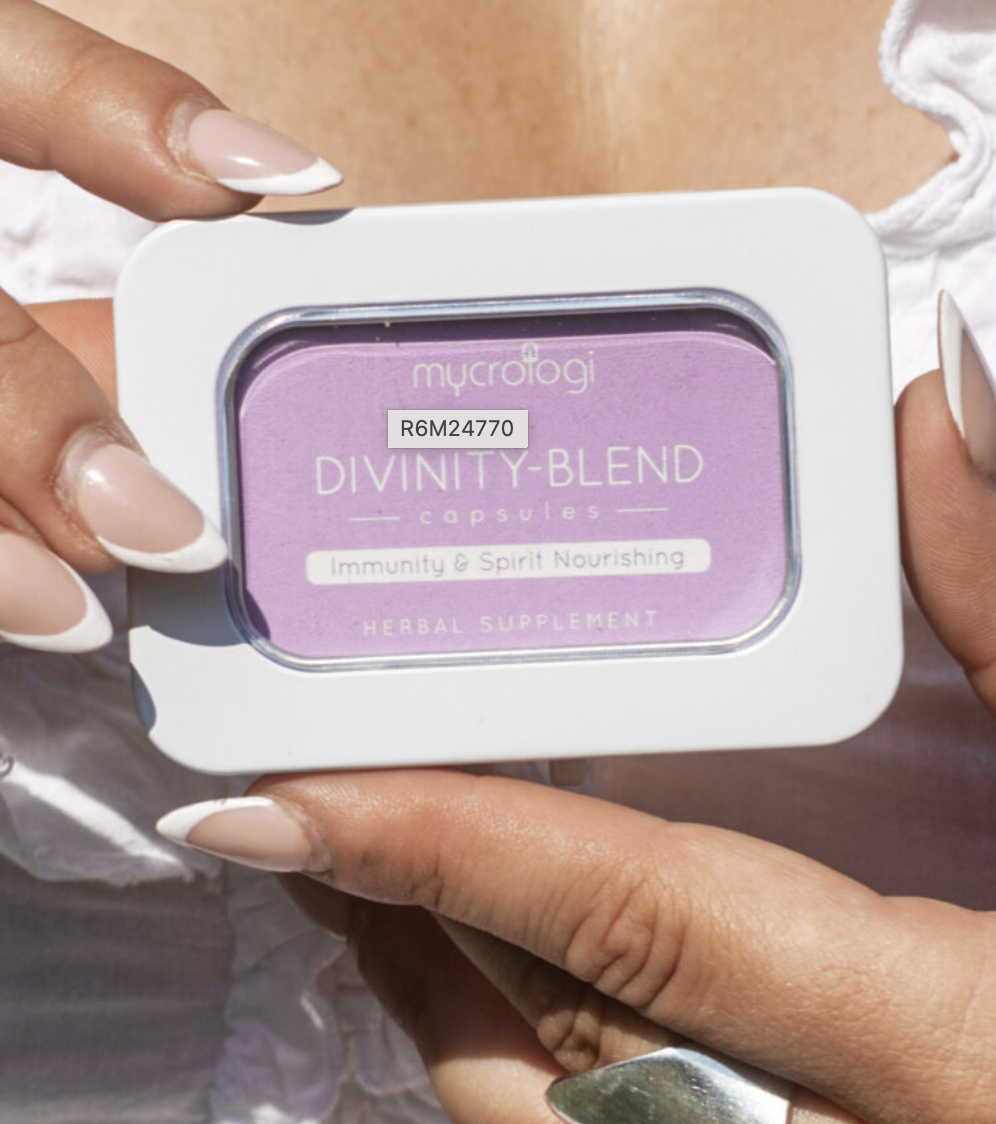
Click here to buy Psilocybin.
- Iboga/Ibogaine for ADHD
Iboga is a plant that contains ibogaine, an active ingredient that works with patients from the inside out as a counselor. Iboga is a much stricter counselor than Ayahuasca and it is considered to be The Grandfather among the sacred indigenous medicines.
Resources
Chun, N. et al. (2025). Anemia Due to Unexpected Zinc-Induced Copper Deficiency. Retrieved January 6, 2025 from https://www.mdpi.com/2038-8330/17/4/35
Linus Pauling Institute (2026)). Copper. Retrieved January 6, 2025 from https://lpi.oregonstate.edu/mic/minerals/copper#:~:text=Adequate%20copper%20nutritional%20status%20is,absorption%20in%20infants%20(24).
Ferrer, P. et al. (2012). Antimalarial Iron Chelator, FBSO701, Shows Asexual and Gametocyte Plasmodium falciparum Activity and Single Oral Dose Cure in a Murine Malaria Model. Retrieved January 7, 2025 from https://journals.plos.org/plosone/article?id=10.1371/journal.pone.0037171#:~:text=Iron%20metabolism%20is%20a%20proven,severe%20cerebral%20malaria%20%5B5%5D.
Latarissa, I. R. et al. (2021). Potential of Quinine Sulfate for COVID-19 Treatment and Its Safety Profile: Review. Retrieved January 7, 2025 from https://pmc.ncbi.nlm.nih.gov/articles/PMC8665662/
Setz, C. (2025). Synergistic Antiviral Activity of European Black Elderberry Fruit Extract and Quinine Against SARS-CoV-2 and Influenza A Virus. Retrieved January 11, 2026, from https://www.researchgate.net/publication/390331702_Synergistic_Antiviral_Activity_of_European_Black_Elderberry_Fruit_Extract_and_Quinine_Against_SARS-CoV-2_and_Influenza_A_Virusa Workman, A. D. et al. (2018). The Role of Quinine-Responsive Taste Receptor Family 2 in Airway Immune Defense and Chronic Rhinosinusitis. Retrieved January 13, 2026 from https://pmc.ncbi.nlm.nih.gov/articles/PMC5882797/ Penn Medicine (n.d.). Is quinine the tonic for COVID-19? Retrieved January 13, 2026 from https://www3.pennmedicine.org/departments-and-centers/otorhinolaryngology/about-us/newsletters/archive/2021-newsletters/quinine-the-tonic-for-covid19 Rezaie, P. et al. (2022). Quinine Effects on Gut and Pancreatic Hormones and Antropyloroduodenal Pressures in Humans - Role of Delivery Site and Sex. Retrieved January 13, 2025 from https://pmc.ncbi.nlm.nih.gov/articles/PMC9250303/