How to Use Molecular Hydrogen, Methylene Blue, and NAC to Cure Cataracts
Click here to buy Methylene Blue.
Molecular Hydrogen Therapy: At Home Remedy for Cataracts
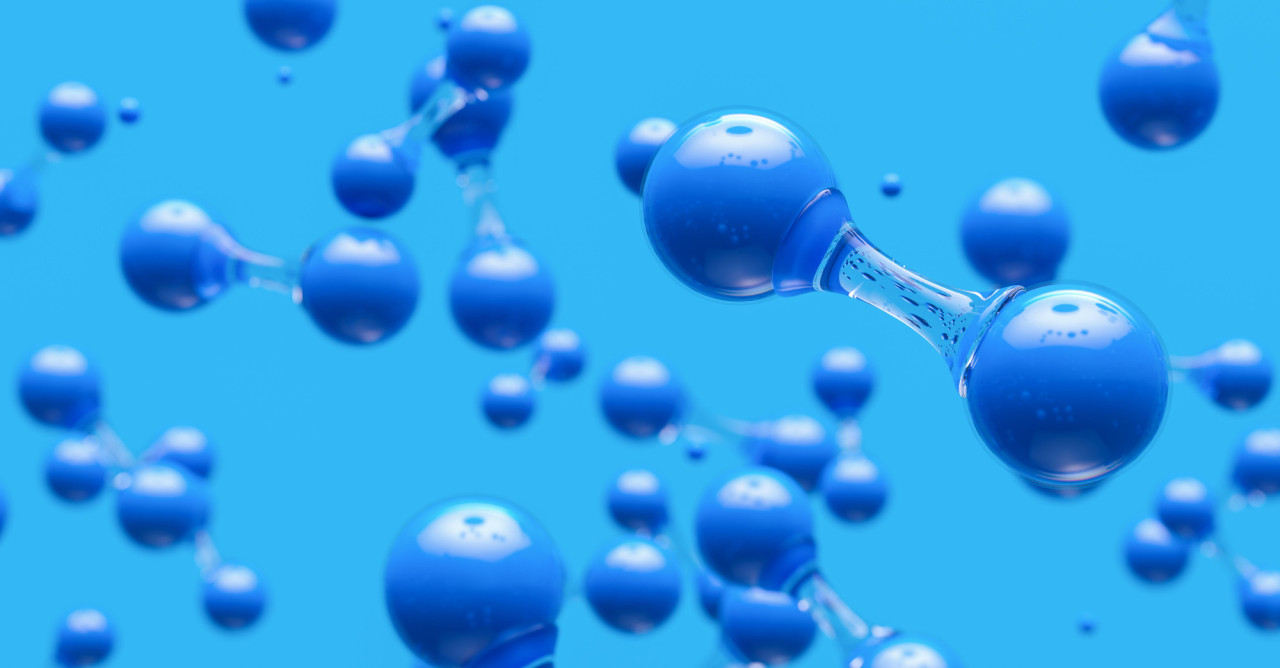
Molecular hydrogen therapy is a type of antioxidant treatment that is easily done at home using a molecular hydrogen machine. There are several machines available of varying cost. The higher priced models are often more powerful but cheaper models of molecular hydrogen also provide medicinal value to those who can’t afford the more powerful models.Molecular hydrogen water looks and tastes like regular water. Molecular hydrogen forms bubbles in the water that rise to the top of the machine for inhalation. Inhaling molecular hydrogen feels like inhaling regular air. So this form of therapy is extremely gentle – so gentle that it might be hard to believe that anything is really happening. But patients who stick to their molecular hydrogen therapy glean powerful results over the course of time. You’ll need to keep a journal and expect to work with this medicine for at least a year before you can expect to get the results that you desire.
In terms of antioxidant therapies for cataracts, molecular hydrogen is one of the foundational treatments because it can repair the DNA. DNA is composed to two helixes that wind around each other. The nucleic acids attach to the helical banisters to make something that looks a bit like a spiral staircase. Each stair is attached to the “banister” of the DNA by hydrogen bonds. In other words, the hydrogen bonds maintain the structure of the DNA rather like nails. When there is a lot of oxidant damage in the eyes (or in any human tissue), the hydrogen bond “nails” dissolve and the stairs fall off the banister. The overall structure of the DNA is then damaged.
When you administer molecular hydrogen water to the eyes or to the rest of the body, it’s like you’re renovating the DNA staircase and replacing the “nails” that have been lost. This is one of the reasons why this type of therapy feels so gentle and yet is so powerful. The molecular hydrogen water repairs DNA and then it takes a bit of time for the results to appear in a way that you can experience them directly with your senses.
Molecular hydrogen is one of just a few antioxidant medicines that can penetrate cells to target not just the exterior environment surrounding cells, but also to heal the organelles inside the cell as well as the DNA inside the nucleus of the cell. In addition to its ability to heal DNA, molecular hydrogen can recharge the mitochondria (the battery of the cell) with electrons to give the cell the energy that it needs to heal and protect itself.
Scientists have noted that molecular hydrogen is the perfect candidate to protect the lens of the eyes from damage. Even at high concentrations, molecular hydrogen is non-toxic, odorless, colorless, and tasteless yet it reduces inflammation and protects and repairs cells.
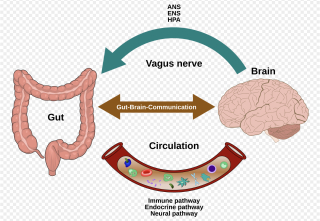
There are several ways to administer molecular hydrogen as a natural cure for cataracts. It can be administered as hydrogen-rich drinking water or as hydrogen-rich saline. Molecular hydrogen is normally produced naturally by the gut flora and there is scientific evidence that the production of molecular hydrogen in the gut protects the eyes against cataracts, corneal endothelial injury, dry eye disease, and diabetic retinopathy among other things.
Molecular hydrogen administered directly to the eye or in drinking water has been used to counteract a variety of eye diseases. Though molecular hydrogen has been studied in terms of its healing effects in a number of eye diseases, it’s likely that it would impact a number of eye diseases that have not yet been studied in a positive way as well.
Click here to buy a Molecular Hydrogen Generator.
How to Administer Molecular Hydrogen to Treat Cataracts
Molecular Hydrogen as Drinking Water
Molecular hydrogen water can be administered as drinking water. Administer the highest dose of the molecular hydrogen that your machine can produce and drink the water twice daily.Molecular Hydrogen Administered Directly to the Eyes
You can also irrigate the eyes with molecular hydrogen water. Take a spoonful of the molecular hydrogen water at the highest dose that your machine can produce and pour it into the eyes twice daily. Or use a dropper and drop 5 to 10 drops of the molecular hydrogen into the eyes twice daily.N-Acetyl Cysteine / L-Cysteine Supplementation: Natural Treatment for Cataracts
Yet another powerful antioxidant treatment for cataracts that you can do at home is N-Acetyl Cysteine (or the natural amino acid L-Cysteine). Sometimes, Big Pharma tries to make N-Acetyl Cysteine (NAC) unavailable, but if this happens, L-Cysteine is an excellent choice as well. Both N-Acetyl Cysteine and L-Cysteine are used by the human body as precursors in the production of glutathione.Glutathione is the most powerful and most important detoxifying agent made by the body. We need an almost unlimited supply of glutathione to remove toxins from the body, but glutathione also functions as a powerful antioxidant that reduces the damages done by free radicals.
Big Pharma has created N-Acetyl Cysteine “amide” eye drops that have been used successfully to treat cataracts, but unfortunately, the “amide” that has been added to the N-Acetyl Cysteine makes it toxic though it still works up to a point to treat cataracts. The “amide” forms of medications are generally toxic to the body and the only reason why the “amide” has been added to N-Acetyl Cysteine is to make it patentable. If a substance, for example, like N-Acetyl Cysteine is no longer able to be patented, this means that it is no longer profitable for Big Pharma. In order to make a medicine like N-Acetyl Cysteine back into a profitable drug, it must be reformulated into a substance that does not occur in nature. Thus, the addition of the “amide”. NAC and L-Cysteine are a powerful natural medicine for cataracts. They detoxify the body and also protect structures like the eyes from free radical damage. NAC and L-Cysteine have a broad range of medicinal action and they can be used in place of over-the-counter drugs like guaifenesin. For best results, combine molecular hydrogen therapy with NAC or L-Cysteine, high-dose vitamin C therapy, and methylene blue.
NAC or L-Cysteine Dosing as a Natural Treatment for Cataracts
Rather than spending a lot of money on N-Acetyl Cysteine amide drops that are prescribed by a doctor for cataracts, it is much more affordable and much less toxic for a patient to take the over-the-counter supplement N-Acetyl Cysteine. This product is also known as “NAC”. Or, if NAC is not available, L-Cysteine is also an excellent choice. Take the supplement NAC by mouth at a dose of 2400 mg per day in divided doses four times daily of 600 mg per dose. Or take 3000 mg per day of Cysteine at a dose of 1000 mg 3 times per day.High Dose Vitamin C Therapy for Cataracts
N-Acetyl Cysteine and high dose vitamin C work well together along with molecular hydrogen to provide powerful antioxidant treatment that can protect and repair cells that have been damaged due to the development of cataracts.There are different types of cataracts that are classified by the location where they develop. These include:
- Cortical Cataracts - opacity is at the peripheral edges of the lens
- Nuclear Cataracts - opacity is at the center of the lens
- Posterior or Subcapsular Cataracts - opacity is at the back of the lens
Vitamin C is present in both the aqueous and vitreous humors of the eyes. The concentration of vitamin C in these humors of the eyes are 20-70 times higher than the amount of vitamin C present in the plasma of the blood. This suggests that vitamin C is especially important for eye health. Animals like humans that are diurnal (awake mostly during the daytime) have a much higher level of vitamin C in the eyes than animals that are nocturnal (awake mostly at night). Scientists believe that vitamin C may play a protective role in animals like humans that are exposed regularly to sunlight. Vitamin C does, in fact, act like a “sunscreen” for the eyes by absorbing UV light. Vitamin C also prevents oxidative damage to the eyes due to sunlight. It is a free radical scavenger that works to specifically protect the cornea, the lens, and other eye tissues.
Vitamin C Dosing as a Natural Cure for Cataracts
Vitamin C should be administered at doses of 6000 to 18,000 mg per day. Administer 3000 mg up to 6 times per day orally, but if this causes you to develop diarrhea, consider either going to a boutique IV therapy spa to get a vitamin C IV “drip” or administer vitamin C powder topically to the skin with dimethyl sulfoxide (DMSO).Click here to read more about DMSO before you work with this medicine to administer high dose vitamin C.
Click here to buy The Big Print Cataract Cure Book.
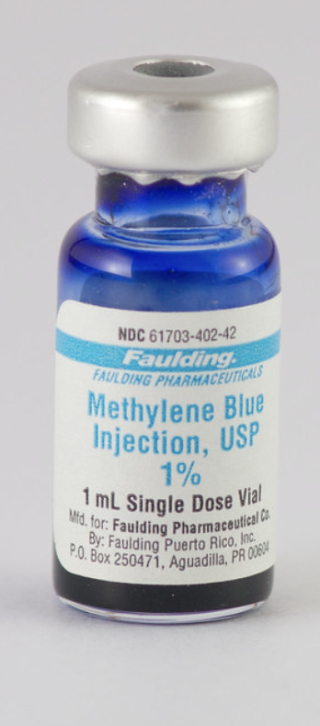
Methylene Blue and Red Light Therapy for Cataracts Methylene Blue was the first drug ever produced by pharmaceutical companies. It is FDA approved for the treatment of methemoglobinemia, but it has an extremely broad spectrum of action against other diseases and disorders too. Methylene blue should NEVER be used directly in the eyes. It is a stain and it can stain the structures of the eyes to cause blindness if you try to use it as an eye drop. However, you can take Methylene blue internally by mouth and allow it to circulate in the body and then administer near infrared light therapy to the eyes as a powerful at home treatment for cataracts. Like vitamin C, NAC, and molecular hydrogen, methylene blue is an antioxidant. It’s different than the other antioxidants though. Methylene blue can also sometimes behave as a medicinal oxidant. Its ability to function as either an oxidant or as an antioxidant, depending on the circumstances that exist inside the body, is extremely valuable because, while antioxidants can be used to neutralize free radicals that cause damage resulting in opacity of the lens of the eye, specific types of oxidants behave like antiviral agents in the body. A number of people who develop cataracts have a latent infection with Cytomegalovirus. This viral infection may lay dormant in cells until the patient experiences a stressful event (either physically or emotionally). Then, as a result of the stress, the body becomes immune-compromised and the Cytomegalovirus causes a cataract to develop. Methylene blue can act as an antiviral agent to kill Cytomegalovirus inside the body.Both methylene blue and red light treatment administered together or separately can kill Cytomegalovirus. When the deep blue of the methylene blue interacts with red light, the two together become more powerful than when they are used separately. Below are the dosing guidelines for methylene blue:
Methylene Blue Dosing:
Dosing guidelines for Methylene Blue 1% SolutionBody Weight: 50 kg/110 lbs: 1 mg/kg dose = 50 mg/day or 100 drops/day
Body Weight: 55 kg/121 lbs: 1 mg/kg dose = 55 mg/day or 110 drops/day
Body Weight: 60 kg/132 lbs: 1 mg/kg dose = 60 mg/day or 120 drops/day
Body Weight: 65 kg/143 lbs: 1 mg/kg dose = 65 mg/day or 130 drops/day
Body Weight: 70 kg/154 lbs: 1 mg/kg dose = 70 mg/day or 140 drops/day
Body Weight: 75 kg/165 lbs: 1 mg/kg dose = 75 mg/day or 150 drops/day
Body Weight: 80 kg/176 lbs: 1 mg/kg dose = 80 mg/day or 160 drops
Body Weight: 85 kg/187 lbs: 1 mg/kg dose = 85 mg/day or 170 drops/day
Body Weight: 90 kg/198 lbs: 1 mg/kg dose = 90 mg/day or 180 drops/day
Body Weight: 95 kg/209 lbs: 1 mg/kg dose = 95 mg/day or 190 drops
Body Weight: 100 kg/220 lbs: 1 mg/kg dose = 100 mg/day or 200 drops/day
NOTE: The maximum safe dose of Methylene Blue per day is up to 30 mg/kg per day according to the patient’s weight.
Red Light Therapy for Cataracts
Red to near-infrared light can be used to treat cataracts naturally. Near-infrared light can penetrate through the skin and even through bone and muscle tissues in some cases. Near-infrared light therapy has been used to treat the following eye diseases:- Optic nerve trauma
- Cataracts
- Myopia
- Retinal injury
- Retinal pigmentosa
- Macular degeneration
Administration of red light therapy at home should be done with the eyelids closed and the red light aimed at the eyes about 1-5 inches away from the eye that is being treated. Administer red light therapy for 5 minutes at a time up to 3 times per day.
Administer red light with methylene blue about 15 minutes after you take the methylene blue orally. Use the same administration technique for the red light that we describe above.
Summary
You don't have to get surgery done to remove cataracts. They can be treated and prevented at home if you know what causes cataracts and you commit yourself to a process of healing. Contact us to schedule a health coaching session and we'll work with you to develop a customized treatment plan to get rid of cataracts naturally. Or buy The Big Print Cataract Cure Book and use at home tools to treat cataracts yourself at home.Click here to subscribe to the Living Database!
Resources:
• Qin, L. et al. (2016). Hydrogen-Rich Saline as an Innovative Therapy for Cataract: A Hypothesis. Retrieved January 3, 2024 from https://www.ncbi.nlm.nih.gov/pmc/articles/PMC5019135/
• Li, S. Y. (2023). Novel role of Molecular Hydrogen: The End of Opthalmic Diseases? Retrieved January 3, 2024 from https://www.ncbi.nlm.nih.gov/pmc/articles/PMC10674431/
• Tao, Y. et al. (2016). The potential utilizations of hydrogen as a promising therapeutic strategy against ocular diseases. Retrieved January 3, 2024 from https://www.ncbi.nlm.nih.gov/pmc/articles/PMC4878665/
• Middirala, Y. et al. (2017). Prevention and reversal of selenite-induced cataracts by N-acetylcysteine amide in Wistar rats. Retrieved January 3, 2024 from https://bmcophthalmol.biomedcentral.com/articles/10.1186/s12886-017-0443-1
• Lim, J. C. et al. (2020). Vitamin C and the Lens: New Insights into Delaying the Onset of Cataract. Retrieved January 3, 2024 from https://www.ncbi.nlm.nih.gov/pmc/articles/PMC7602486/
• Zhu, Q. et al. (2021). Near Infrared (NIR) Light Therapy of Eye Diseases: A Review. Retrieved January 3, 2024 from https://www.ncbi.nlm.nih.gov/pmc/articles/PMC7738953/