Kratom: Anti-Addiction Effects
Click here to schedule a health coaching session with us.
- Opioids
- Amphetamines
- Benzodiazepines
- Alcohol
- Cannabis
Click here to buy Kratom.
Kratom provides patients with much more control over their own body and their destiny than methadone or naloxone. Kratom allows patients to self-administer at a dose that feels right to them. Because kratom does not activate the beta-arrestin-2 pathway that can cause severe respiratory depression, it does not cause life-threatening respiratory depression or death like synthetic opioids can. Kratom is a mu-opioid agonist that kills pain reliably without creating the same level of risk of death associated with drugs prescribed by doctors. Because kratom does not activate the beta-arrestin-2 pathway, it does not cause total respiratory depression. It does mildly impact respiration, but its effects on respiration are limited. In other words, there’s a “ceiling” at which respiratory depression stops worsening (in studies at 10 mg per kilogram body weight) even if doses are high. This is why kratom is much less dangerous than drugs that do activate the beta-arrestin-2 pathway.Click here to do a free trial of EMDR to Release Trauma.
In addition, research has found that using kratom to break a drug/alcohol addiction can reduce risky sexual behaviors that are more likely to lead to the transmission of HIV and other STDs and STIs. This information would indicate that kratom might help break other behavioral addictions as well, such as sex addiction, gambling addiction, social media or video game addiction, and/or sugar addiction, to name just a few. Beyond kratom’s ability to reduce addiction withdrawal symptoms is its myriad of health-promoting effects. Kratom can prevent and treat cancer and it can be used to prevent and treat diabetes. Kratom is a powerful ally during an infection as it can be used to reduce fever, suppress cough, and get rid of diarrhea. Kratom does not cause constipation like prescription opiate drugs though, yet another major plus when working with this anti-addiction herb.Click here to learn more about the DreamLight.app, a guided meditation and brain-entrainment tool for natural trauma-release.
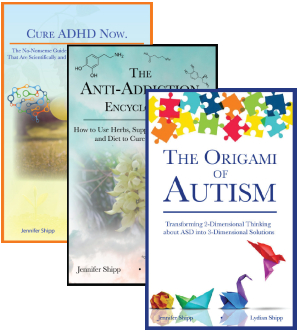
Kratom is not addictive for most people. In those who become addicted to kratom, the addiction is similar to that of a coffee addiction. Those who use kratom tend to stop using it after about 3 years of treatment without the need for any assistance in doing so. Kratom can help the body remodel itself and get rid of sympathetic ganglion “nests” that develop in response to chronic pain conditions. These “nests” are bundles of nerves that have overgrown in response to constant pain signals coming from the body. Once these “nerve-nests” take shape along the spinal cord, the body becomes hyper-sensitive to pain-signals, but if the patient is able to keep pain under control using something like kratom, these sympathetic ganglion nests slowly disintegrate so that patients become sensitive to pain in the body at a much more normal level. Cycle day-by-day or every 2 days among green, red, and yellow / gold vein colors to reduce the addictive potential of kratom. Use a variety of strains (which are location-names designating where the kratom was harvested) of each color as well. Each vein-color and strain has a particular profile that’s unique. Cycling helps your body become more flexible and adaptive in response to pain signals (both emotional and physical pain) as it is healing.Click here to buy The Anti-Addiction Encyclopedia.
Resources:
• Erowid (2000). Kratom. Retrieved May 14, 2026 from https://erowid.org/references/refs.php?S=kratom
• Swogger, M. T. et al. (2022). Understanding Kratom Use: A Guide for Healthcare Providers. Retrieved May 14, 2026 from https://www.frontiersin.org/journals/pharmacology/articles/10.3389/fphar.2022.801855/full?mibextid=Zxz2cZ
• Mat, N. H. et al. (2023). Analgesic effects of main indole alkaloid of kratom, mitragynine in acute pain animal model. Retrieved May 20, 2026 from https://pubmed.ncbi.nlm.nih.gov/36503042/
• Permatasari, H. K. et al. (2025). Kratom (Mitragyna speciosa) in cancer chemoprevention - A provocative functional food perspective. Retrieved May 25, 2026 from https://www.sciencedirect.com/science/article/pii/S2666154325008968
• Fadly, D. (2024). Blood glucose response to kratom tea (Mitragyna speciosa Korth.). Retrieved May 25, 2026 from https://www.bio-conferences.org/articles/bioconf/pdf/2025/04/bioconf_icnf2024_03015.pdf
• Singh, Darshan, et. al. (2017). Changing trends in the use of kratom (Mitragyna speciosa) in Southeast Asia. Retrieved August 19, 2025 from: https://onlinelibrary.wiley.com/doi/full/10.1002/hup.2582
• Atikarn, Janthongkaw, et. al. (2023). Effect of Green and Red Thai Kratom (Mitragyna speciosa) on pancreatic digestive enzymes (alpha-glucosidase and lipase) and acetyl-carboxylase 1 activity: A possible therapeutic target for obesity prevention. Retrieved August 21, 2025 from: https://pmc.ncbi.nlm.nih.gov/articles/PMC10513218/
• Nakaphan, Thanat, et. al. (2016). Traditional Use of Kratom (Mitragyna speciosa Korth) among Folk Healers in Southern Thailand. Retrieved August 24, 2025 from: https://he01.tci-thaijo.org/index.php/JTTAM/issue/view/7119
• Alford, A. S. et al. (2025). Exploring the Therapeutic Potential of Mitragynine and Corynoxeine: Kratom-Derived Indole and Oxindole Alkaloids for Pain Management. Retrieved May 20, 2023 from https://www.mdpi.com/1424-8247/18/2/222
• Annuar, N. A. K. et al. (2024). An insight review on the neuropharmacological effects, mechanisms of action, pharmacokinetics and toxicity of mitragynine. Retrieved May 20, 2026 from https://www.sciencedirect.com/science/article/pii/S0753332224000155
• Muller, E. et al. (2021). Kratom use for depression / anxiety self-management: challenges during the COVID-19 pandemic – A case report. Retrieved May 20, 2026 from https://pmc.ncbi.nlm.nih.gov/articles/PMC8180622/
• Idayu, N. F. et al. (2024). Antidepressant-like effect of mitragynine isolated from Mitragyna speciosa Korth in mice model of depression. Retrieved May 20, 2026 from https://pubmed.ncbi.nlm.nih.gov/20869223/
• Buckhalter, S. (n.d.). The antidepressant and analgesic effects of kratom are accompanied by low frequency oscillations but not DeltaFosB accumulation. Retrieved May 20, 2026 from https://atrium.lib.uoguelph.ca/items/4428b418-5591-4dcd-a42c-5ebc26c3f20d
• Swogger, M. T. and Walsh, Z. (2018). Kratom use and mental health: A systematic review. Retrieved May 20, 2026 from https://www.sciencedirect.com/science/article/abs/pii/S0376871617305586
•