Kratom, also known as Mitragyna speciosa, kakuam, or ketum, is a plant native to Southeast Asia. It is related to the coffee plant and it belongs to the same family as coffee (Rubiaceae). In Southeast Asia the leaves of this plant are used in traditional medicine to treat diarrhea, cough, pain, high blood pressure, fever, and intestinal infections among other things. It is taken both internally and topically, the leaves and leaf extracts of kratom have long been used to disinfect wounds and act as a local anesthetic, when needed. In Thailand specifically, kratom is still sometimes given as a ritual offering for the gods and ancestors. As such, we regard this herb as a sacred medicine and we argue that it should be used with Intention for best results. Nonetheless, it is still potentially addictive, so it needs to be administered with respect.
Click here to schedule a health coaching session with us.
The idea of kratom as a potentially addictive plant is debatable, but the fact that kratom is political and that it threatens big industries is obvious. Most people report that breaking a kratom addiction is similar to breaking a coffee addiction. Indeed, this is an herb that helps people overcome opiate and benzodiazepine addiction. Yet this is one of the things that really concerns people when they begin working with this herb. So we’ll talk about our own experiences with kratom as well as the chemistry of mitragynine and other substances in this plant, to argue that kratom addiction is something that rarely becomes an issue for most people.But, in the spirit of presenting critical thoughts on this issue, I would argue that for those who use kratom with other substances in order to get “high”, addiction could be a problem. Kratom by itself as an herbal remedy for pain is powerful and miraculous, but people have created drug-plant combinations to escape from reality using kratom too. These drug-plant combinations can be dangerous and, if misused to escape from trauma without attempting to heal the trauma, addiction becomes more of a possibility.
Kratom’s history of use in Southeast Asia overlaps with its recent use as an opium alternative; in the 1800s in both Malaysia and Thailand, the plant was reportedly used in this way as an opium substitute to help people break an addiction to opiates. So this is one of the paradoxes of kratom that newbies might struggle with initially. Is kratom safe or not? As a sacred medicine, kratom requires users to decide for themselves whether the herb is safe or not and to work with the plant on their own terms by developing an Intention that ultimately steers their relationship with the plant.
Become an Expert. Do an AlivenHealthy Video Course Now.
Kratom (Mitragyna speciosa) is a plant with dose-dependent properties. In fact, kratom can produce opposite effects depending on the dose. At low doses, kratom is a stimulant. At higher doses, it has more of a sedative action. Use a potentiator like Cinchona officinalis and kratom produces medicinal effects at lower doses. Because of the wide range of medicinal compounds it possesses, Kratom can’t be accurately categorized as either a stimulant or sedative medicine. It has both medicinal actions depending on how it is used.
Though some sources say that kratom is also still addictive in some cases, it is possible to cycle through different types of kratom to mitigate the cycle of addiction to some extent if this is something that concerns you. To do this, you must use red vein kratom one day, green vein the next, and yellow or white vein the next. Although kratom can sometimes still be addictive, it is a safer, healthier (and more legal) choice than pharmaceutical/street drugs, and so, some people work with kratom in order to “switch addictions” or to quit taking certain drugs. At the time of this writing, kratom is still legal at a federal level in the United States, and you need to be aware that it is not legal in all parts of the world (for example, kratom is illegal in France, Italy, Ireland, and most of Eastern Europe). It is also banned in Chile, Argentina, and Malaysia, and listed as a controlled narcotic in New Zealand and Australia. As such, this medicine may not be an ideal option for everyone since some people simply won’t have access to it. It’s not a good option for pain relief if you have to travel frequently to or through areas of the world where it is illegal, since this plant medicine is in a legal “gray area”. Check in advance of travel to find out if kratom is legal in the countries you’ll be traveling through.
Click here to buy Kratom.
That said, readers should note that some bodies of research show a different side to Kratom, and suggest that kratom may not actually be as addictive as popular media makes it out to be. Of all of the people who use kratom – including to switch addictions from opioid drugs to something more safe and natural – only 3% of these individuals had withdrawal symptoms after quitting Kratom. Plus, 35% of opioid addicts who used Kratom to quit taking opioid drugs were entirely drug-free (and free of dependence of kratom as well) within less than a year of starting to work with this plant medicine. So, although some people do experience some symptoms of addiction while working with Kratom, this isn’t the case for all people. Yet, this is a very powerful plant medicine that can have profound and fast-acting effects for people struggling to break an opioid addiction.
For people who have chronic pain, kratom offers real pain relief from a natural source. It is one of few herbal remedies for pain that really works. But the real selling point for kratom use is its anticancer and antidiabetic effects. This is an herb with a fairly diverse array of medicinal effects. It can be used (in combination with a ketogenic diet and other treatments) by people who wish to cure diabetes and overcome insulin injections, for example. It can be administered to cancer patients who have pain, but who also intend to use the herb to cure their cancer.
Click here to subscribe to the Living Database now.
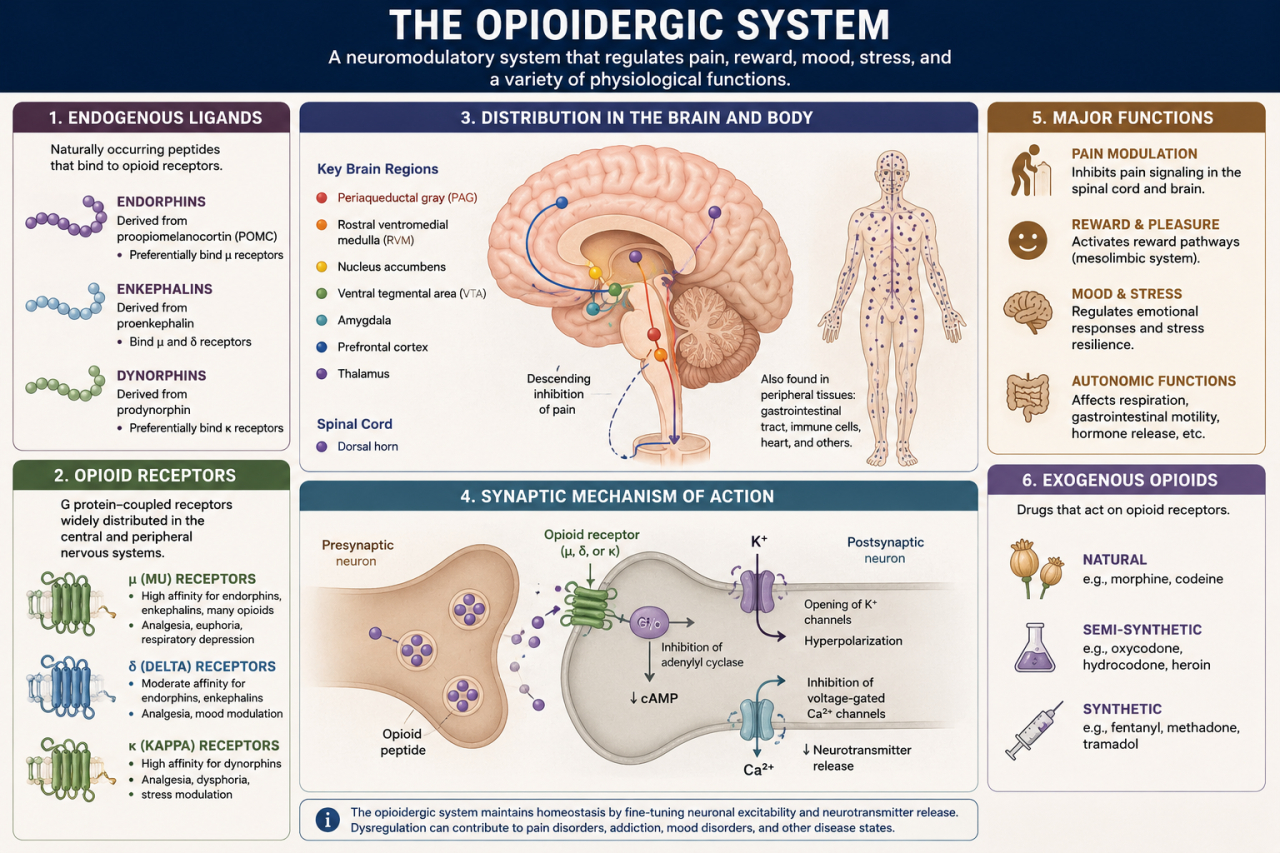
Kratom is also one of few herbs that interacts with the kappa-opioid receptors in the opioidergic system. While synthetic opiates tend to interact only with the mu-opioid receptors, a situation that lends itself to addiction, this natural opiate, kratom, also interacts with kappa-opioid receptors that produce dysphoric or uncomfortable and negative emotional states. Kratom’s interaction with kappa-opioid receptors indicates that it may, in fact, be less addictive than some propaganda might suggest.Nonetheless, kratom does, in fact, have some addictive properties and it is possible that some people might find this herb to be more addictive than other people. On the other hand, some sources have indicated that addiction and withdrawal is something that can be navigated within a few days more or less, similar to an addiction to coffee.
Kratom is one of the most powerful herbal remedies for pain. It can be administered in place of aspirin, ibuprofen, or acetaminophen to both children and adults. It can even be used in place of prescription opiates to treat pain. Because it is an herb, patients can control their dosage and manage their own addictive tendencies by cycling through red, green, and yellow veins of the kratom leaf. Various potentiators can be used with kratom to improve its effectiveness at treating pain at low doses and with safe results.
For readers who are new to the idea of kratom, it’s important to understand that as a powerful pain-killing herb, Mitragyna speciosa needs to be used with the same amount of respect as any other opioidergic medicine even though it is far safer than prescription opiates. If you travel frequently, note that kratom legality varies from country-to-country. Kratom threatens to hurt not just drug-selling industries but also the drug-rehab industry, the diabetes industry, and the cancer industry. So it makes sense that it would be restricted in some countries where these industries lobby for the power to restrict kratom use. On the other hand, some countries allow kratom use, but they go to great lengths to produce propaganda against this herb. In any case, Do some research in advance of leaving if you intend to take kratom along with you when you’re traveling. Read about kratom alternatives that can be used to overcome pain in areas of the world where kratom is not legal.
Resources:
• Swogger, M. T. et al. (2022). Understanding Kratom Use: A Guide for Healthcare Providers. Retrieved May 14, 2026 from https://www.frontiersin.org/journals/pharmacology/articles/10.3389/fphar.2022.801855/full?mibextid=Zxz2cZ