Self-Treatment for Amebic Dysentery and Some Cases of IBS
 Entamoeba histolytica causes bloody diarrhea, amebic dysentery, and is transmitted via the fecal-oral route. Tropical climates and poor sanitary conditions facilitate transmission, as does anal sex, at least according to Big Pharma. The majority of infections run a mild course involving abdominal pain and loose stools, but a subset of patients present with systemic symptoms, fever, and dysentery.
More serious cases of amebic dysentery can require differentiation from inflammatory bowel disease (IBS), particularly ulcerative colitis, since the presentation of these two gastrointestinal diseases overlap. This is an important point that deserves some scrutiny by patients who have been diagnosed with IBS. Is it possible that IBS is caused by amebic dysentery more often than Big Pharma would lead us to believe? Of course that’s possible!
Two features help with the distinction between amebic dysentery and IBS. E. histolytica prefers to inhabit the cecum and the ascending colon (whereas ulcerative colitis uniformly involves the rectum and extends upward in the colon). The presence of flask-shaped ulcers on colonic biopsy is a hallmark of amebic disease.

Click here to schedule a health coaching session with us.
A morphologically identical but rarely pathogenic species, Entamoeba dispar, can be distinguished from E. histolytica via NAATs or antigen detection using immunochemistry or ELISA. Systemic treatment from a doctor involves a 10-day course of metronidazole or tinidazole, which acts on the trophozoite stage (but not other stages in the life cycle of the amoeba). Paromomycin, a nonabsorbable aminoglycoside, should also be given to eradicate cysts and to prevent reinfection. Some doctors may prescribe dehydroemetine or tetracycline as an alternative.

Click here to learn more and subscribe to the Living Database now.
Carapichea ipecacuanha contains emetine, a medicinal substance that has been widely used in the treatment of amoebiasis and amebic dysentery. Carapichea ipecacuanha inhibits the growth of Entamoeba histolytica and it eventually causes the death of trophozoites.In addition to its anti-amoeba activity, Carapichea ipecacuanha is a powerful herbal remedy for cancer. This was first noted in 1918 on a study of malignant tumors and their response to Carapichea ipecacuanha. This herb has the ability to prevent protein biosynthesis and also interact with DNA. It induces programmed cell death (apoptosis) in cancer cells through mechanisms of action that are not well known.
Emetine, an alkaloid found in Ipecac root, is often prescribed by doctors for amebic dysentery. Historically, Ipecac root from the Carapichea ipecacuanha plant was used to treat amebic dysentery because it contains emetine, an alkaloid that is toxic to Entamoeba histolytica. Ipecac root can be cardiotoxic if administered at the wrong dose, but Carapichea ipecacuanha is a potential home remedy for patients who have lost faith in the healthcare system to treat amebic dysentery. This is a powerful herbal remedy for amebic dysentery, but it requires respect.
Commercial preparations of ipecac syrup is a 1/14 of an ethanol extract of the root and rhizomes of Carapichea ipecacuanha. The rest of the syrup consists of glycerin, sugar syrup, and methylparaben. The ipecac fluid extract is 14 times stronger than the syrup. It can be given in emetic doses that cause vomiting or in sub-emetic doses to treat bronchitis and other respiratory illnesses.
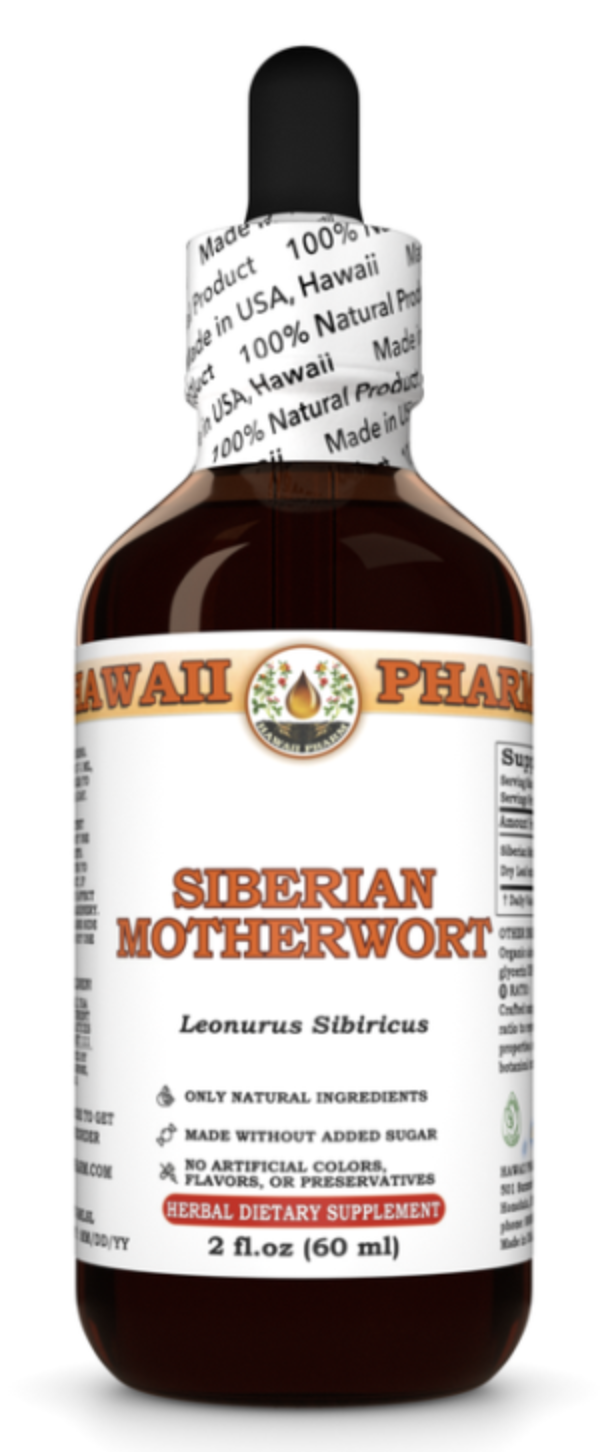
Click here to buy Leonurus japonicus / Siberian Motherwort
Quinine with emetine (which is derived from the plant, Carapichea ipecacuanha) has been used successfully to get rid of amebic dysentery. This suggests that Cinchona officinalis (a source of quinine) at a dose of 0.25 grams / kilogram body weight could be administered along with Ipecac at a 30 mL dose (for adults) which contains about 13.9 mg of emetine. This dose produces vomiting unless 5-HT3 antagonists such as Zingiber officinale or Leonurus japonicus are also administered. The 5-HT3 antagonists allow for higher blood levels of emetine to be achieved. When Ipecac root is ingested, emetine is quickly distributed to the tissues with slow excretion. Detectable concentrations of emetine exist in the urine for 40-60 days after treatment is discontinued.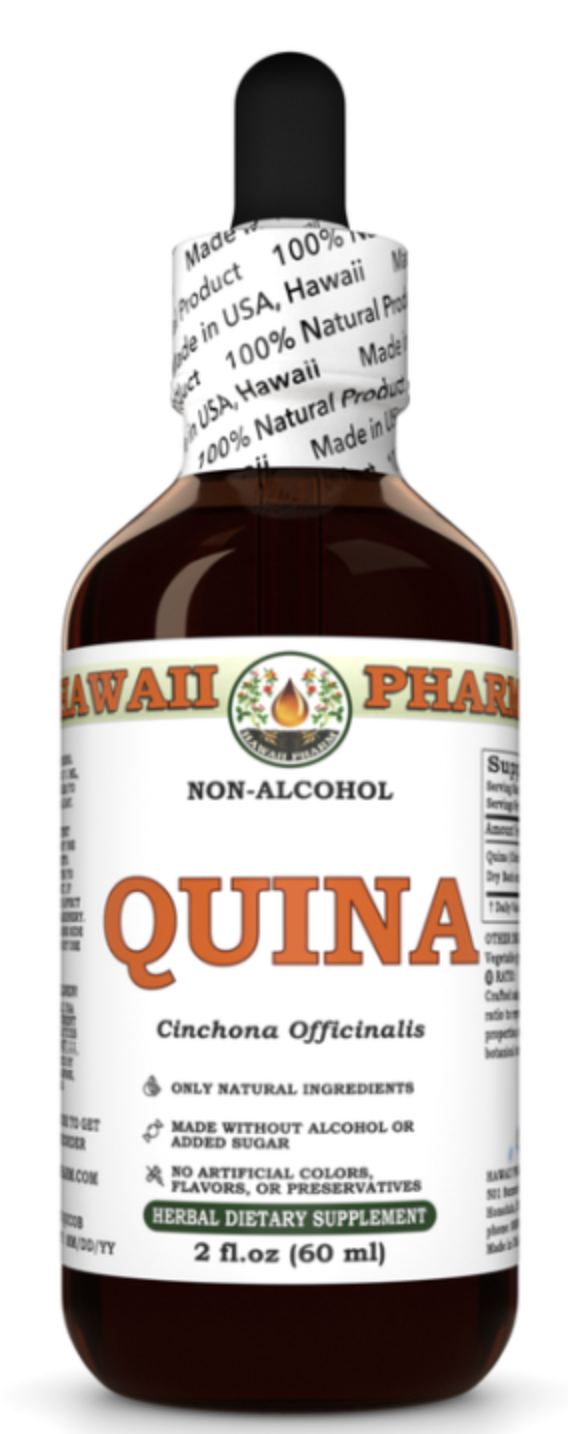
Click here to buy Cinchona officinalis / Quina.
Chlorine dioxide solution / CDS, also known as Miracle Mineral Supplement / MMS is a proposed at-home treatment for amebic dysentery as well though in actual practice, it’s likely that CDS / MMS would need to be used only as part of an overall protocol for this disease. Other Reactive Oxygen Species (ROS) medicines like food grade hydrogen peroxide 3%, methylene blue, or ozone therapy as well as Artemisia annua (combined with Cinchona officinalis) could also be potentially beneficial. Patients should be consistent in giving themselves the proper dose of these medicines, but also administer only one of them at a time and avoid certain antioxidants like vitamin C and foods that might cancel out the effects of the ROS medicines within 30 minutes before and after administration. CDS / MMS can be a powerful treatment with some scientific backing to warrant its use but as with other ROS medicines, CDS / MMS requires some reading and education in order to use it properly for self-treatment at home.
Click here to subscribe to the Chlorine Dioxide Protocols Database.
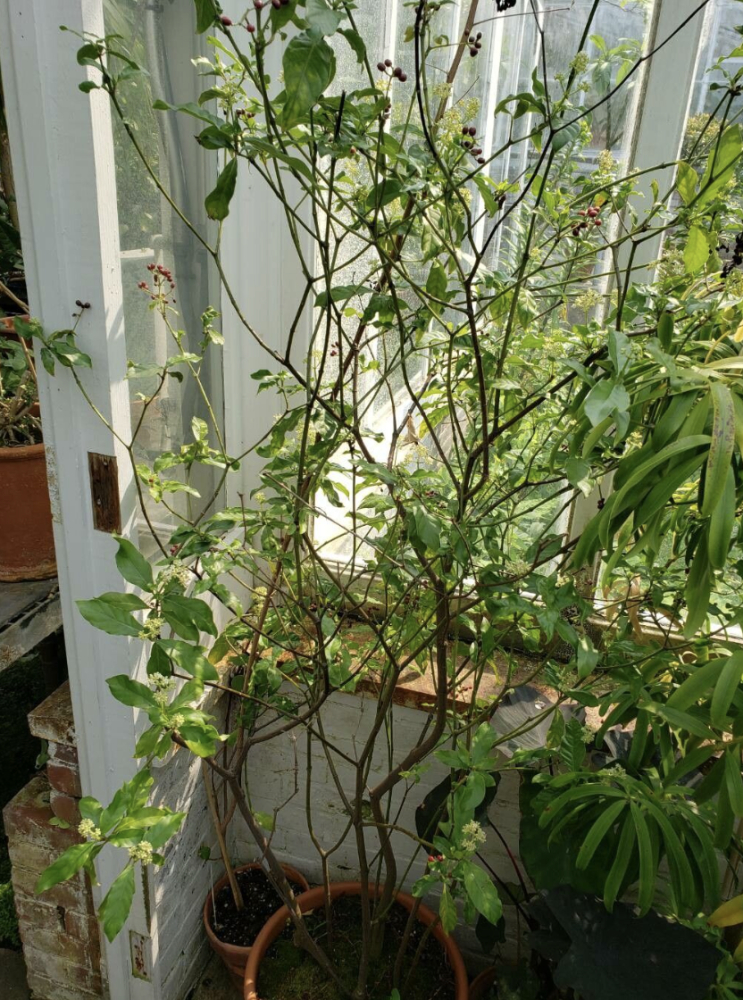
There are a number of Holarrhena species that are used to treat dysentery. This herb is commonly known as bitter oleander, easter tree, or dysentery rose bay. It has many names in many languages because of its utility in treating amoebic dysentery.This herb is native to Africa and Asia. It is a small deciduous shrub or a small tree with medicinal bark that is astringent and powerful antidysenteric and antidiarrheal herb. It has strong antiparasitic effects on the body and it is also a fever-reducing herb.

Parasites: Self-Treatment and Prevention - BUY THE eBOOK HERE!!!
Resources:
• Neumayr, A. et al. (2021). Efficacy and Tolerability of Quinacrine Monotherapy and Albendazole Plus Chloroquine Combination Therapy in Nitromidazole-Refractory Giardiasis: A TropNet Study. Retrieved March 15, 2026 from https://pubmed.ncbi.nlm.nih.gov/34115100/#:~:text=Mild%20to%20moderate%20treatment%2Drelated,in%20travelers%20returning%20from%20India.
• Khanna, V. et al. (2014). Identification and Preservation of Intestinal Parasites Using Methylene Blue-Glycerol Mount: A New Approach to Stool Microscopy. Retrieved March 15, 2026 from https://onlinelibrary.wiley.com/doi/10.1155/2014/672018#:~:text=After%20observing%20various%20parasites%20by,of%20intestinal%20parasites%20%5B9%5D.
• Smajlovic, A. & Ducic, N. (2021). THE USE OF IPECACUANHA ROOT (CARAPICHEA IPECACUANHA) IN VETERINARY AND HUMAN MEDICINE. Retrieved March 16, 2026 from https://www.cabidigitallibrary.org/doi/pdf/10.5555/20220010657