 Methylene Blue for Cystoisospora Gastroenteritis
As with other protozoal infections like malaria or Giardia, methylene blue is a very old drug that can be used to kill this type of infection, especially when it is combined with Cinchona officinalis. In immunocompromised patients, the use of quinine can sometimes help patients overcome the disorder. In those who are not immunocompromised, the administration of methylene blue with Cinchona officinalis as a combination treatment may be able to overcome cystoisospora.
Click here to schedule a health coaching session with us.
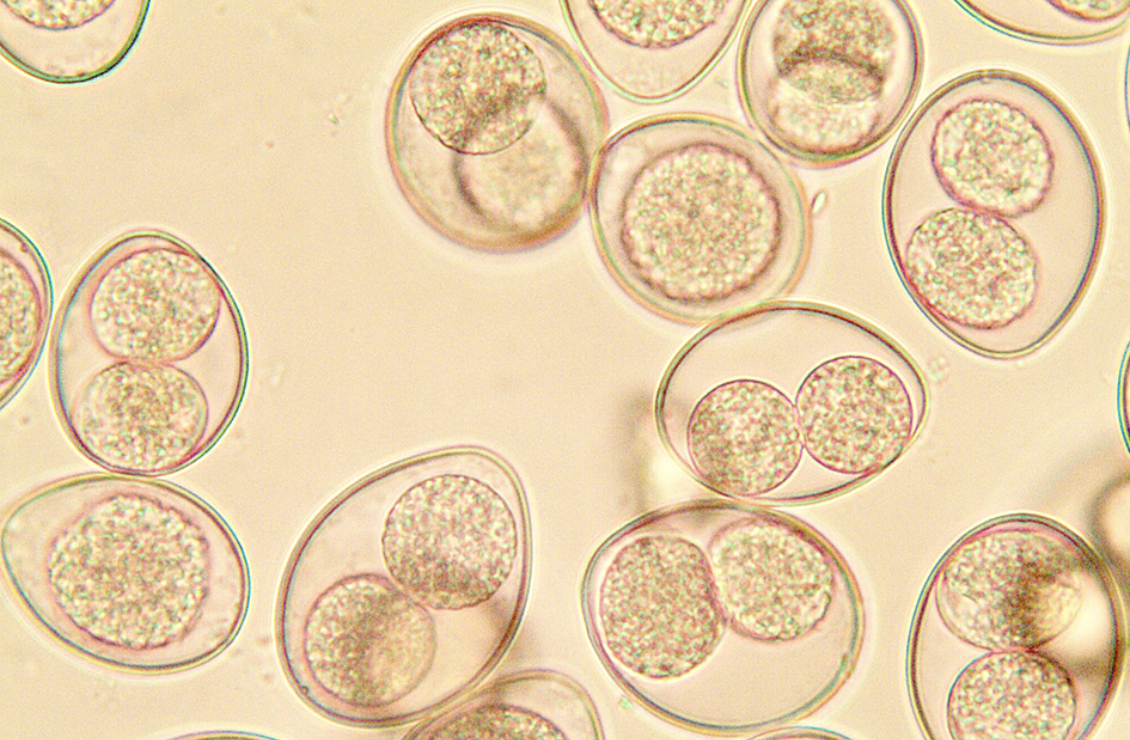
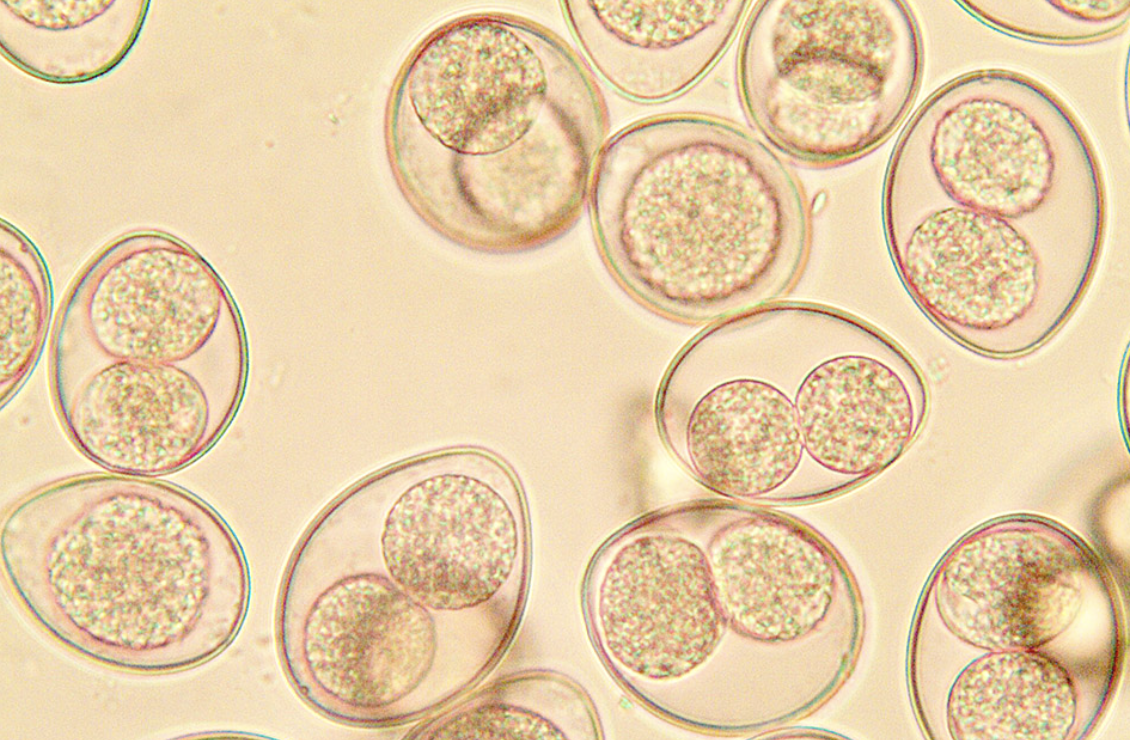
Cystoisospora does interact with methylene blue. Methylene blue is used in histology to stain this parasite. To really get the most out of methylene blue as a treatment for cystoisospora, infrared sauna can be administered twice daily about 2 hours after taking a dose of methylene blue to do “photodynamic therapy” wherein the red light is captured by the methylene blue to produce powerful reactive oxygen species medicines to kill the pathogen.
As noted above, the dose for both children and adults (via IV) is 1-2 mg per kg body weight or 1-2 mg per 2.2 pounds of the patient’s body weight. Again, this is the intravenous dose. Most patients won’t be able to tolerate this high of a dose by mouth.
Also, it’s best for laypeople to not to give the maximum dose of methylene blue if they’re doing self-treatment at home because overdose with methylene blue can cause severe, life-threatening side effects. Instead, we recommend that people administer about 1/4th to 1/6th of the recommended IV dose and then do 30 minute at-home infra-red sauna sessions about 2 hours after the methylene blue has been administered. Sit in the infrared sauna twice daily to powerfully activate the methylene blue as an anti-protozoal medicine. Afterward, do a “cold shock” bath or shower to activate brown adipose tissue that releases nutrients that are being stored in the body.
Click here to buy Methylene Blue.
Below is a dosing chart for methylene blue 1% given as drops from a standard dropper. If you have a higher concentration of methylene blue note that at 0.1%, 1 mL of methylene blue equals 1 mg. Administer 1 mg per kilogram (or per 2.2 pounds) of the patient’s body weight :
- Body Weight: 50 kg/110 lbs: 1 mg/kg dose = 50 mg/day or 100 drops/day
- Body Weight: 55 kg/121 lbs: 1 mg/kg dose = 55 mg/day or 110 drops/day
- Body Weight: 60 kg/132 lbs: 1 mg/kg dose = 60 mg/day or 120 drops/day
- Body Weight: 65 kg/143 lbs: 1 mg/kg dose = 65 mg/day or 130 drops/day
- Body Weight: 70 kg/154 lbs: 1 mg/kg dose = 70 mg/day or 140 drops/day
- Body Weight: 75 kg/165 lbs: 1 mg/kg dose = 75 mg/day or 150 drops/day
- Body Weight: 80 kg/176 lbs: 1 mg/kg dose = 80 mg/day or 160 drops
- Body Weight: 85 kg/187 lbs: 1 mg/kg dose = 85 mg/day or 170 drops/day
- Body Weight: 90 kg/198 lbs: 1 mg/kg dose = 90 mg/day or 180 drops/day
- Body Weight: 95 kg/209 lbs: 1 mg/kg dose = 95 mg/day or 190 drops
- Body Weight: 100 kg/220 lbs: 1 mg/kg dose = 100 mg/day or 200 drops/day
Click here to learn more and subscribe to the Living Database now.
Parasites: Self-Treatment and Prevention - BUY THE eBOOK HERE!!!
Resources:
• Neumayr, A. et al. (2021). Efficacy and Tolerability of Quinacrine Monotherapy and Albendazole Plus Chloroquine Combination Therapy in Nitromidazole-Refractory Giardiasis: A TropNet Study. Retrieved March 15, 2026 from https://pubmed.ncbi.nlm.nih.gov/34115100/#:~:text=Mild%20to%20moderate%20treatment%2Drelated,in%20travelers%20returning%20from%20India.
• Khanna, V. et al. (2014). Identification and Preservation of Intestinal Parasites Using Methylene Blue-Glycerol Mount: A New Approach to Stool Microscopy. Retrieved March 15, 2026 from https://onlinelibrary.wiley.com/doi/10.1155/2014/672018#:~:text=After%20observing%20various%20parasites%20by,of%20intestinal%20parasites%20%5B9%5D.