Cinchona officinalis vs. Viburnum opulus
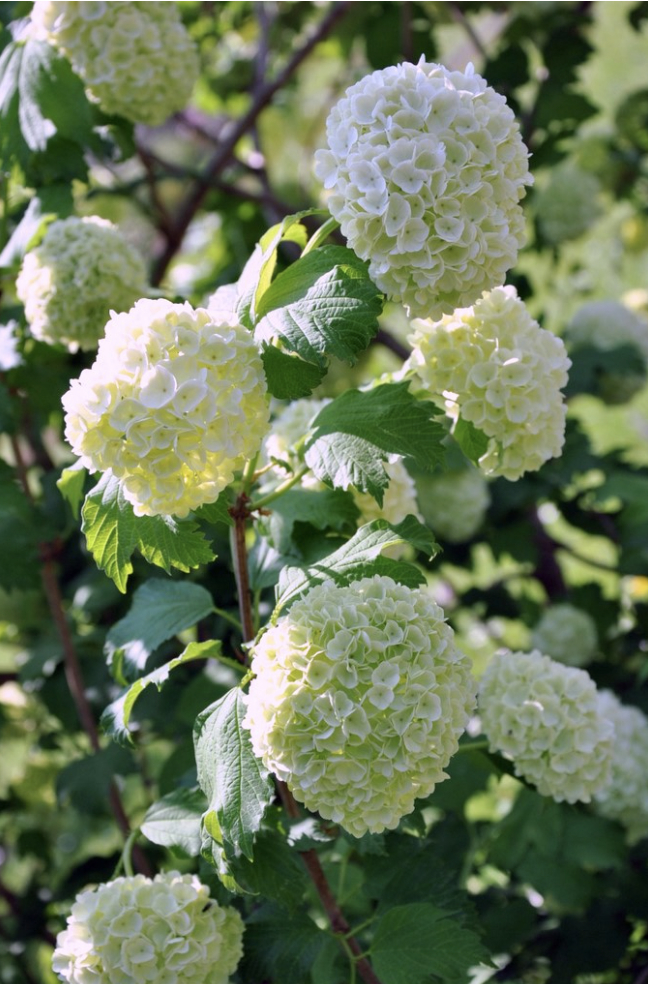
This post is a part of a longer series about quinine, Cinchona officinalis and Viburnum opulus. Cinchona officinalis is a very broad spectrum herbal remedy for strep throat as well as a very broad range of other infectious diseases, in particular those that cause hemolysis of red blood cells. Cinchona bark was famous as the first remedy for malaria and it is still the most powerful treatment on earth when combined with Artemisia annua despite Big Pharma's efforts to scare people away from Cinchona and its primary medicinal substance, quinine. But in Russia and the Ukraine, another herb, Viburnum opulus became similarly famous because it had some similar medicinal effects that often saved lives and definitely reduced pain and fever naturally. Below we discuss these two herbs, starting with a brief discussion of quinic acids, which are present in both plants. While quinine in Cinchona officinalis is the medicinal agent that can help a child overcome a major infection if the pathogen is eating the iron in red blood cells, scopoletin is the medicinal agent in Viburnum opulus that acts through a slightly different actin that still prevents pathogens from being able to "eat" our red blood cells to produce a weakened, anemic state. If you are new to this information, be sure to note that Streptococcus pyogenes causes quite a large number of health issues, both acute and chronic. This is a pathogen that can pretend to be human muscle. It can cause anything from depression and mental health issues to movement issues and autoimmune diseases like Lupus Erythematosus or Rheumatoid Arthritis / RA and even death (it is the underlying cause of Scarlet Fever / Rheumatic Fever -- what we generally regard today as "Strep Throat").
Click here to schedule a health coaching call with us.
Quinic Acids
Quinic acid promotes the breakdown of plant polyphenols in the gut to improve their absorption as medicinal agents in the body. And quinic acids protect the gut via the mucus layer by mildly increasing mucin secretion and modulating hydrogen-potassium-ATPase activity. Further, quinic acid modulates the gut microbiota by acting as a prebiotic for Bifidobacteria. In turn, through its prebiotic effects, quinic acid also fosters short-chain fatty acid production.
That being said though, quinic acid-rich foods and medicines are not always the right choice for every situation. Raw, quinic acid-rich fruits might, at times, be too cooling or it might lead to stagnation in the gut in some patients so pay attention to how quinic acid affects you when you’re taking it in large quantities of whole-food or plant medicines that contain quinic acids. If you’re consuming large amounts of quinic acid or if you’re administering them to a child, be aware that they can produce a feeling of fullness if they’re not the right medicine.
Quinic acid might be able to reduce inflammation via COX-2 modulation, but its effects are small and cumulative. In other words, the key is to work with quinic acid-rich foods and plants on a daily basis if you have chronic gut-related issues and to pay attention to more than just the quinic acid content of the whole plants that you’re working with. And work with whole plants so that you can reap the benefits of all of the various medicinal agents offered by the plant. Whole plant medicines are intelligent and they work with the body holistically so when you choose a plant medicine to work with, you’re entering into a dialogue with that plant and all of the substances it contains so that your body can learn from and hopefully heal from the innate intelligence that the plant brings to the table.
gut microbiota by acting as a prebiotic for Bifidobacteria. In turn, through its prebiotic effects, quinic acid also fosters short-chain fatty acid production.
That being said though, quinic acid-rich foods and medicines are not always the right choice for every situation. Raw, quinic acid-rich fruits might, at times, be too cooling or it might lead to stagnation in the gut in some patients so pay attention to how quinic acid affects you when you’re taking it in large quantities of whole-food or plant medicines that contain quinic acids. If you’re consuming large amounts of quinic acid or if you’re administering them to a child, be aware that they can produce a feeling of fullness if they’re not the right medicine.
Quinic acid might be able to reduce inflammation via COX-2 modulation, but its effects are small and cumulative. In other words, the key is to work with quinic acid-rich foods and plants on a daily basis if you have chronic gut-related issues and to pay attention to more than just the quinic acid content of the whole plants that you’re working with. And work with whole plants so that you can reap the benefits of all of the various medicinal agents offered by the plant. Whole plant medicines are intelligent and they work with the body holistically so when you choose a plant medicine to work with, you’re entering into a dialogue with that plant and all of the substances it contains so that your body can learn from and hopefully heal from the innate intelligence that the plant brings to the table.
What Quinic Acid Can Do for You
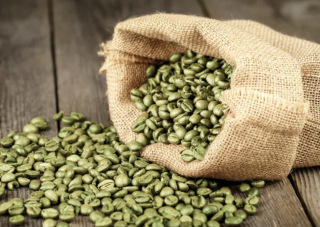
Cinchona bark is an excellent source of quinic acid, but roasted coffee and Viburnum opulus also contain this nutraceutical. Indeed, it is present in many different foods and plant medicines as we’ve already discussed.When we talk about a powerful medicinal plant like Cinchona officinalis, the focus is usually on quinine as though quinine were the only medicinal agent in the plant. Quinic acid plays a role in how things play out with quinine though in any given patient. As Lydi and I see it, when you work with a whole plant like Cinchona officinalis, you get guidance from the plant. You’re still responsible for dosing that plant correctly, but the plant has an innate intelligence that was always meant to work in dialogue with the innate intelligence of the human body.
Click here to buy The Renegade Parent’s Guide to Children’s Health and Healing - Encyclopedia of Herbal Remedies.
Quinic acid is a good example of another substance found in Cinchona officinalis that has validity in terms of treating both kids and adults. Quinine and quinic acid work together to heal a child who is very sick. Chlorogenic acids are also important and there are many other medicinal substances found in Cinchona bark.Cinchona officinalis and Viburnum opulus both contain quinic acid but there is far less quinic acid in Viburnum opulus than in Cinchona officinalis. Indeed, Viburnum opulus contains far less quinine in comparison to Cinchona officinalis too. Depending on the part of the plant being used and the sources being referenced, Viburnum opulus and Cinchona officinalis have comparable levels of chlorogenic acids.
If you’re shopping for an herbal remedy for digestive system issues in a child, quinic acid has a lot to offer. Chlorogenic acids do too. But what’s the difference between Cinchona officinalis and Viburnum opulus in terms of digestive system treatment using herbs?
Both Cinchona officinalis and Viburnum opulus are famous for their muscle-relaxing effects on the body. If you have restless legs syndrome or difficulty sleeping or sitting still (ADHD - kids and adults included), either of these herbs might be beneficial. While quinine is the substance in Cinchona officinalis that can stop leg cramps naturally, in Viburnum opulus, the substance that stops muscle cramping is known as scopoletin.
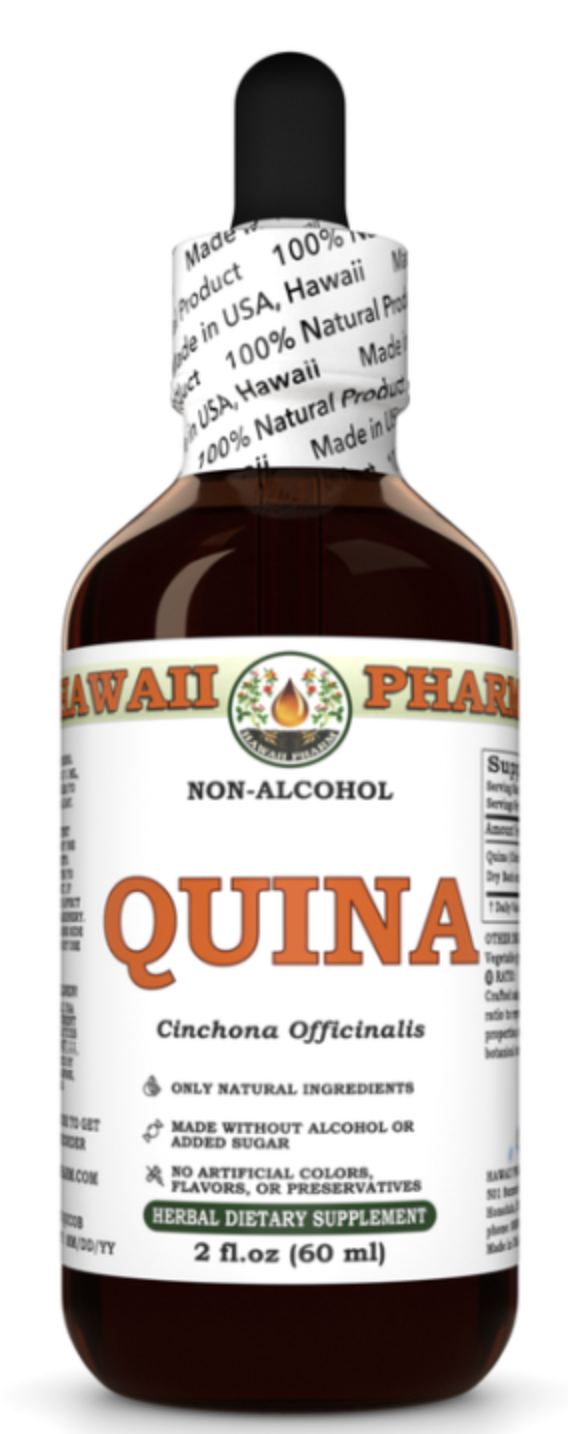
Click here to buy Cinchona bark tincture.
Scopoletin and Viburnum opulus
Scopoletin is a coumarin that’s present in a number of edible plants. It has a very low or no toxicity in the body which means that it is quite safe for children. It has the following medicinal effects on the body:
- Antimicrobial
- Anticancer
- Anti-inflammatory
- Anti-angiogenesis
- Antioxidant
- Antidiabetic
- Antihypertensive
- Antidepressant
- Treat rheumatoid arthritis
- Reduces allergy symptoms
- Hypouricemic
- Liver protective
- It can be used to treat liver diseases.
- Treats steatosis
- Neuroprotective
- It can be used to treat neurodegenerative disease.
- It can also be used to treat mental health issues like depression.
- Modulates synaptic plasticity.
- Immunomodulatory
- Choline acetyltransferase inhibitor
- Acetylcholinesterase inhibitor
- Increases acetylcholine release
- Monoamine oxidase
Like quinine, scopoletin is active against Streptococcus pyogenes. Coumarins inhibit bacterial proliferation and in the case of scopoletin, one mechanism of action through which this substance acts is through quorum-sensing. Quorum-sensing involves chemical communication that serves to coordinate the behaviors among a specific type of bacteria in a community. It is dependent on cell-density and when the signaling molecules released by the bacteria reach a threshold concentration, they alter gene expression that changes virulence levels and biofilm formation among other things. Scopoletin inhibits quorum-sensing genes that, in turn, control the expression of hemolysin.
Hemolysin is an agent that bacteria release in order to “lyse” red blood cells (cause them to explode). Pathogens that release hemolysin and that attempt to consume the iron in our red blood cells are also inhibited by quinine, the primary medicinal substance that works to cure infections of various kinds in Cinchona officinalis. But the scopoletin in Viburnum opulus also inhibits the growth of hemolytic pathogens which might explain why this Russian / Ukrainian herb became famous in the north to about the same degree that Cinchona officinalis became famous in Latin America and later, Europe and North America.
Viburnum opulus can be used as part of a protocol to treat the following pathogens in children and adults:
- Staphylococcus aureus
- Streptococcus pyogenes
- Pseudomonas aeruginosa
- Mycobacterium tuberculosis
- Actinomyces israellii
- Actinomyces naeslundii
- Salmonella typhi
- Escherichia coli
For young infants and children, Viburnum opulus can be administered topically as an oil, which can be advantageous in children who are unable to take the medicine orally for one reason or another.
If you’re working with a child or an elderly adult who is restless and unable to sleep as a result of an infection or an illness, Viburnum opulus might be the right choice for treatment because of its ability to reduce muscle activity. Viburnum opulus can be given in higher doses, making it generally less risky for kids. That being said, Cinchona officinalis is a powerful medicine for kids who are very sick, but dosing needs to be more exact as Cinchona bark is given in lower doses overall.
Choose either Cinchona officinalis or Viburnum opulus for infections involving hemolytic pathogens like Streptococcus pyogenes, the malaria protozoa, and many more.
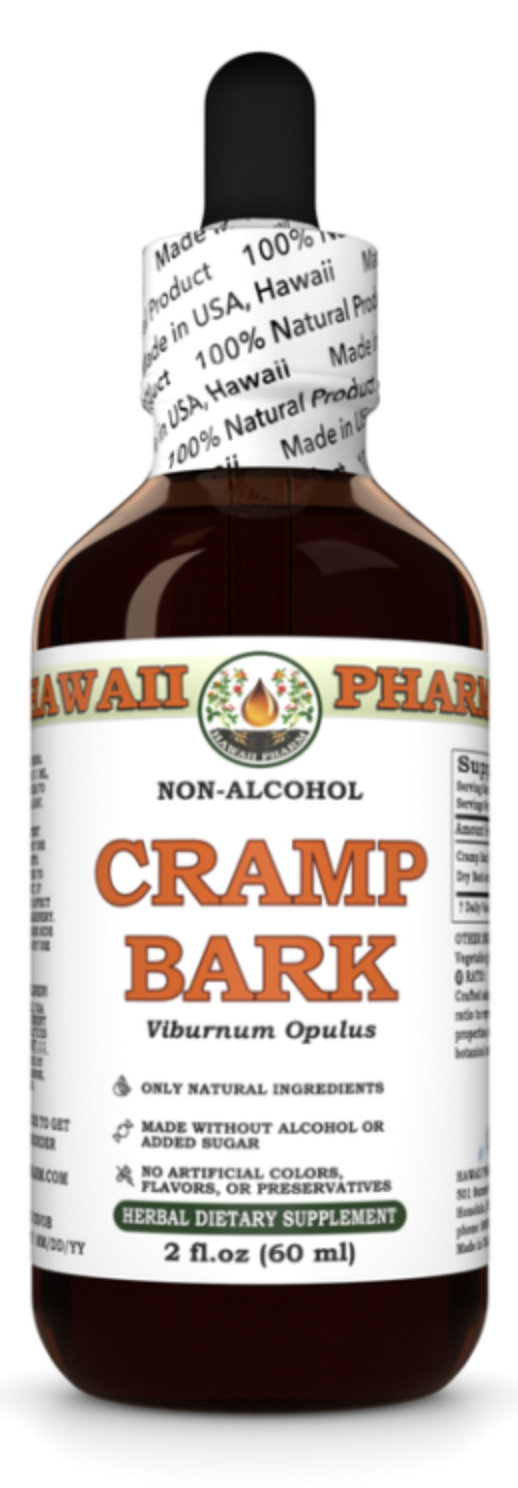
Click here to buy Cramp Bark / Viburnum opulus.
Resources:
• Ghasemi-Dehnoo, M. et al. (2023).Quinic acid ameliorates ulcerative colitis in rats, through the inhibition of two TLR4-NF-kappaB and NF-kappaB-INOS-NO signaling pathways. Retrieved January 17, 2026 from https://pmc.ncbi.nlm.nih.gov/articles/PMC10408368/
• Gulada, B. O. et al. (2025). Impact of Viburnum opulus L. Fruit Extracts on the Physicochemical, Sensory, and Bioactive Properties of Wheat Waffles. Retrieved January 17, 2026 from https://www.mdpi.com/1420-3049/30/24/4677
• Bujor, A. et al. (2019). Metabolite profiling, arginase inhibition and vasorelaxant activity of Cornus mas, Sorbus aucuparia, and Viburnum opulus fruit extracts. Retrieved January 17, 2026 from https://scholar.google.com/scholar_lookup?title=Metabolite+profiling,+arginase+inhibition+and+vasorelaxant+activity+of+Cornus+mas,+Sorbus+aucuparia+and+Viburnum+opulus+fruit+extracts&author=Bujor,+A.&author=Miron,+A.&author=Luca,+S.V.&author=Skalicka-Wozniak,+K.&author=Silion,+M.&author=Ancuceanu,+R.&author=Dinu,+M.&author=Girard,+C.&author=Demougeot,+C.&author=Totoson,+P.&publication_year=2019&journal=Food+Chem.+Toxicol.&volume=133&pages=110764&doi=10.1016/j.fct.2019.110764&pmid=31437471
• Ask Ayurveda (n.d.). Quinic Acid. Retrieved January 17, 2026 from https://ask-ayurveda.com/wiki/article/6536-quinic-acid