Brown Adipose Tissue, Fever, and Emotional Stress-Induced Hyperthermia
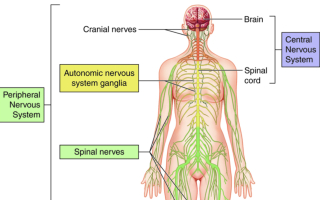
At a doctor’s office, a psychogenic fever might be explained to the patient as “psychosomatic” or as a problem that’s “all in the patient’s head”. In fact, this isn’t true and this type of explanation is incorrect because it fails to recognize the autonomic nervous system as the very well-studied and well-documented mediator between mind and body. What doctors claim is “all in a patient’s head” is actually “all in the patient’s body”, namely, in the nerves, ganglia, and brain tissue that make up the autonomic nervous system. Our emotions are things that we feel in the body tissues. Indeed, we use body-oriented phrases to describe emotional states and indeed, there are physical manifestations of emotions that can be seen and measured though modern medicine doesn’t actively discuss or propagate this information. For example, someone might say, “I feel broken-hearted” (in regard to something emotionally painful that has happened in the patient’s life) and indeed, if a doctor were to look at the patient’s heart on an MRI, they might find that that patient has Takotsubo syndrome. Takotsubo syndrome is the physical manifestation of grief or “broken-heartedness” in the physical heart. In Takotsubo syndrome, the left ventricle of the heart pouches out such that the heart is not as effective at pumping blood through the body which exacerbates and perhaps even creates the feeling that we describe as “broken heartedness”.
Click here to schedule a health coaching session with us.
Some emotions are “gut-wrenching”. Other emotions make you feel like you’re “on the edge of your seat”. Suspense feels like being physically at an edge (cliff-hangers). We might feel describe a feeling of intense fear by saying “my heart stopped”. Our emotions are in our bodies and they impact the tissues and the actual structure and function of the body. So if you’re exposed to chronic, ongoing stress, you might turn into a “hot mess” and develop an ongoing psychogenic fever.Brown adipose tissue (also known as “brown fat”) is part of the sympathetic nervous system branch of the autonomic nervous system. The sympathetic nervous system is the part of the autonomic nervous system that activates wakeful, alert states and fight-or-flight responses to the environment. The autonomic nervous system is connected directly to the endocrine system which is a group of glands that secrete hormones that ultimately program and maintain our ability to experience a present-tense moment on earth (or our lack of this experience and the unfortunate counterpart of feeling “stressed” or “preoccupied” with the future or the past). A psychogenic fever ultimately takes shape to try to remedy this type of preoccupation by making the person energetically unable to constantly be sending their energy into the past or into the future.
A psychogenic fever response includes the participation of the following:
- Brown adipose tissue
- Cutaneous vasoconstriction of blood vessels
- Heart rate changes - faster heartbeat (tachycardia)
- Glucocorticoid secretion (cortisol, for example)
Click here to subscribe to the Living Database now.
In modern conventional medicine, doctors do not currently acknowledge that psychological stressors are as relevant to physical health as biological stressors (e.g. toxins, pathogens, physical discomfort), but psychological stress has been scientifically studied in terms of its effects on the body and most average people quietly know that their emotions affect their biology.During psychological stress, the glutamine system sends messages to the hypothalamus about the stress. The hypothalamus, in turn, sends messages to the sympathetic nervous system. This is one known physiological pathway that drives brown fat thermogenesis and psychogenic fever. It is not a more important pathway than the pathway that a patient might be aware of involving life-events that build stress that then, ultimately leads to the development of a psychogenic fever, but nonetheless, the biological pathway is comforting to some people. It’s important to not get enamored with the biology of the stress response or to try to hijack the stress response if you know that your life is stressful and your body is reacting to that stress. Rather than trying to hijack the body’s physiological efforts at adaptation using pharmaceuticals or surgical treatments, removing the stress or taking control of some aspect of the stressor would be a more effective treatment.
But that being said, another physiological pathway that drives psychological stress responses including psychogenic fever is the activation of the hypothalamus and stimulation of the hypothalamo-pituitary-adrenal axis that causes an increase in the secretion of glucocorticoids like cortisol. So while psychological stress has been studied by scientists and there are established mechanisms of action through which the body and the mind communicate with each other, resulting in the development of a psychogenic fever, doctors are not usually well-schooled in these pathways and even if they acknowledge they exist, they have no way to treat the problem using conventional medicine. Further, as a patient, if you successfully remove the offending stressor from your life, you would still need to release stress and trauma using trauma-informed therapies like Eye Movement Desensitization and Reprocessing / EMDR, guided meditation or hypnotherapy, and psilocybin microdosing.
Click here to learn more about the DreamLight.app, an online guided meditation and brain-entrainment tool.
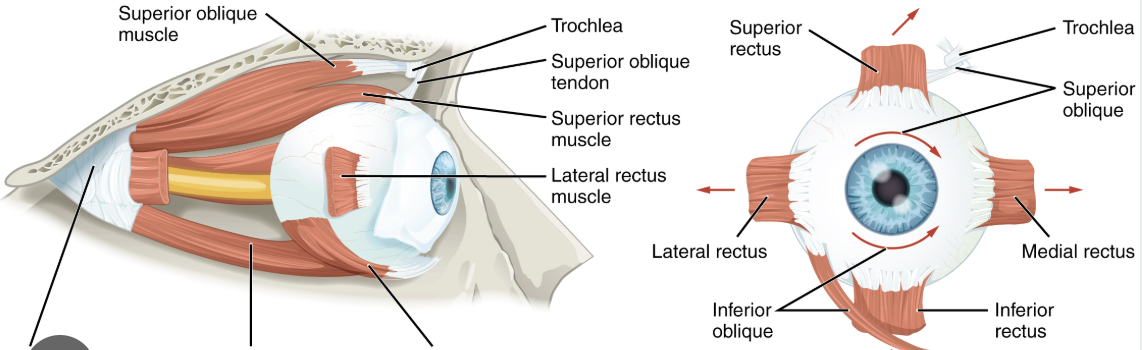
Psychogenic fevers are triggered through physiological pathways that are independent of prostaglandin-mediated fevers or inflammation-induced fevers. In other words, NSAIDs like aspirin or ibuprofen won’t touch this type of fever. Trauma-informed therapy is the body-mind treatment that works to release psychogenic fevers over the course of time. In other words, trauma-informed therapies often have to be administered for a period of time in order for the psychogenic fever to respond and go away. Essentially, a psychogenic fever is like a “slow-burn” to release the trauma, but you can work with sacred indigenous medicines to release the trauma more quickly through other means. On an Ayahuasca trip, for example, people may feel very hot and then very cold (this doesn’t always happen, but this author has experienced this type of heat and cold on Ayahuasca). On an Ayahuasca trip, the heat is sometimes extreme. The cold and the shivering can also be extreme. But on an Ayahuasca trip, it’s clear that you’re releasing your trauma through the hot and the cold. Ayahuasca tells you, “the heat is your emotions”. The heat is an emotion that you weren’t able to express during a heated moment in your waking, daily life. The cold and the shivering might represent fear or sadness. And as your body simply feels it and expresses it, it releases the feeling so that the body can heal itself.As we’ve discussed elsewhere, environmental heat and cold can play a role in sleep cycles. Rapid Eye Movement (REM) sleep cycles are a natural stress and trauma-releasing mechanism that involves eye movements that subtly change the position of the upper two vertebrae of the spine and that also subtly change the position of the skull bones to release pressure on the cranial nerves where they exist the skull. The back-and-forth, left-to-right eye movements also foster communication between the left hemisphere and the right hemisphere of the brain. If the body is too hot during the time of the night when REM sleep would normally happen, REM sleep might be disrupted which can lead to a build up of trauma or stress in the physical body. Using a tool like Eye Movement Desensitization and Reprocessing / EMDR to consciously and intentionally produce an REM cycle so as to release stress and trauma can be helpful in overcoming chronically poor sleep. But it’s also important to ensure that you are not too hot when you’re asleep because heat can cause REM sleep cycle disruption. Over time, this could lead to the development of a psychogenic fever or other types of trauma responses as the body tries to off-load trauma through fever production.
Click here to do a free trial of EMDR to Release Trauma.
Resources:
• Benson, H. et al. (1982). Body temperature changes during the practice of g Tum-mo yoga. Retrieved February 20, 2026 from https://ui.adsabs.harvard.edu/abs/1982Natur.295..234B
• Levine, H. (2024). REM sleep: What is it, why is it important, and how you can get more of it? Retrieved February 20, 2026 from https://www.health.harvard.edu/staying-healthy/rem-sleep-what-is-it-why-is-it-important-and-how-can-you-get-more-of-it#:~:text=How%20to%20get%20a%20good,will%20sleep%20better%20that%20night.
• Li, M. et al. (2024). Brown adipose tissue facilitates the fever response following infection with Salmonella enterica serovar Typhimurium in mice. Retrieved January 26, 2026 from https://pubmed.ncbi.nlm.nih.gov/39128824/
• Krysa, S. J. and Brestoff, J. R. (2024). Brown fat fuels the fire in fever. Retrieved January 26, 2026 from https://www.sciencedirect.com/science/article/pii/S0022227524001639
• Szentirmai, E. and Kapas, L. (2018). Brown adipose tissue plays a central role in systemic inflammation-induced sleep responses. Retrieved January 26, 2026 from https://journals.plos.org/plosone/article?id=10.1371/journal.pone.0197409
• Tabei, S. et al. (2024). Metabolic Effects of Brown Adipose Tissue Activity Due to Cold Exposure in Humans: A Systematic Review and Meta-Analysis of RCTs and Non-RCTs. Retrieved February 18, 2026 from https://www.mdpi.com/2227-9059/12/3/537
• Sarlon, J. et al (2023). Potential links between brown adipose tissue, circadian dysregulation, and suicide risk. Retrieved February 18, 2026 from https://www.frontiersin.org/journals/neuroscience/articles/10.3389/fnins.2023.1196029/full
• Vosselman, M. J. et al. (2012). Systemic beta-Adrenergic Stimulation of Thermogenesis is Not Accompanied by Brown Adipose Tissue Activity in Humans. Retrieved February 18, 2026 from https://pmc.ncbi.nlm.nih.gov/articles/PMC3501890/
• Oka, T. (2015). Psychogenic Fever: how psychological stress affects body temperature in the clinical population. Retrieved February 18, 2026 from https://pmc.ncbi.nlm.nih.gov/articles/PMC4843908/#:~:text=Abstract,increases%20Tc%20throughout%20the%20day.