Mucuna pruriens: Herb for ADHD
 UPDATE: On March, 21st 2026 at 8:00 AM CDMX time zone, we'll be posting information at this link about how to treat ADHD that's caused by a low-level streptococcal infection. We are currently testing out our at-home strep-infection treatment protocol on children who are known to have this super-common infectious pathogen. So far, as of January, 2026, this treatment is life-changing for ADHD kids who actually have a pathogen that's damaged dopamine neurons. Mucuna pruriens can heal dopamine neurons, but some children also need to be treated in a very specific way to overcome streptococcal pathogens that are colonizing tissues and disrupting or perpetually damaging dopamine neurons. Strep can live in the body very quietly and produce no symptoms of infection. It can infect the body for decades without being detectable or without producing traditional symptoms of infection. If you or your child has ADHD, be sure to read more as soon as the information becomes available at the link above.
Mucuna pruriens is one of the most important herbs for ADHD that can heal the brain and help people overcome ADHD permanently. In our book about how to cure ADHD, we talk at length about the Mucuna pruriens protocol along with other strategies to overcome ADHD. As we’ve mentioned elsewhere, anyone who struggles with attention and focus should engage with trauma-informed therapy of some kind in addition to working with Mucuna pruriens. Eye Movement Desensitization and Reprocessing plus Alpha-Theta therapy is one type of treatment that many people start with for trauma-release. Psilocybin microdosing therapy is another common type of treatment that people use to release trauma naturally. Finally, brain entrainment and guided meditations can be extremely beneficial (and can be used with EMDR therapy) to release the trauma that causes ADHD in kids and in adults.
UPDATE: On March, 21st 2026 at 8:00 AM CDMX time zone, we'll be posting information at this link about how to treat ADHD that's caused by a low-level streptococcal infection. We are currently testing out our at-home strep-infection treatment protocol on children who are known to have this super-common infectious pathogen. So far, as of January, 2026, this treatment is life-changing for ADHD kids who actually have a pathogen that's damaged dopamine neurons. Mucuna pruriens can heal dopamine neurons, but some children also need to be treated in a very specific way to overcome streptococcal pathogens that are colonizing tissues and disrupting or perpetually damaging dopamine neurons. Strep can live in the body very quietly and produce no symptoms of infection. It can infect the body for decades without being detectable or without producing traditional symptoms of infection. If you or your child has ADHD, be sure to read more as soon as the information becomes available at the link above.
Mucuna pruriens is one of the most important herbs for ADHD that can heal the brain and help people overcome ADHD permanently. In our book about how to cure ADHD, we talk at length about the Mucuna pruriens protocol along with other strategies to overcome ADHD. As we’ve mentioned elsewhere, anyone who struggles with attention and focus should engage with trauma-informed therapy of some kind in addition to working with Mucuna pruriens. Eye Movement Desensitization and Reprocessing plus Alpha-Theta therapy is one type of treatment that many people start with for trauma-release. Psilocybin microdosing therapy is another common type of treatment that people use to release trauma naturally. Finally, brain entrainment and guided meditations can be extremely beneficial (and can be used with EMDR therapy) to release the trauma that causes ADHD in kids and in adults.
Mucuna pruriens is not addictive and it can, in fact, heal dopamine neurons and receptors so as to cure addiction. But Mucuna pruriens also causes the body to prepare for and prime for trauma-release. Many people who have been dopamine-deficient for a long time are over-burdened with trauma. This includes children. Our bodies are designed to release and integrate stress and trauma when we are healthy, but when we are dopamine deficient (for any number of reasons) and deficient in thyroid hormones or proper levels and release patterns of reproductive hormones, our bodies stop being able to release and integrate daily stressors.

Click here to schedule a health coaching session with us.
Dopamine helps us begin to release trauma, which is great! But the release of trauma involves feeling the emotions involved in the stress/trauma as the trauma is being released. If a person begins to experience the feeling of a very stressful moment in time (sans the memory of that moment in time) in their physical body without knowing that the feeling is simply “passing through the body for permanent release / integration”, the person will resist it. Resistance to the passage of a negative feelings from a past trauma / stressor often takes the form of mental chatter or dissociative internal experiences (which is almost identical to the lack-of-focus described by those with ADHD).
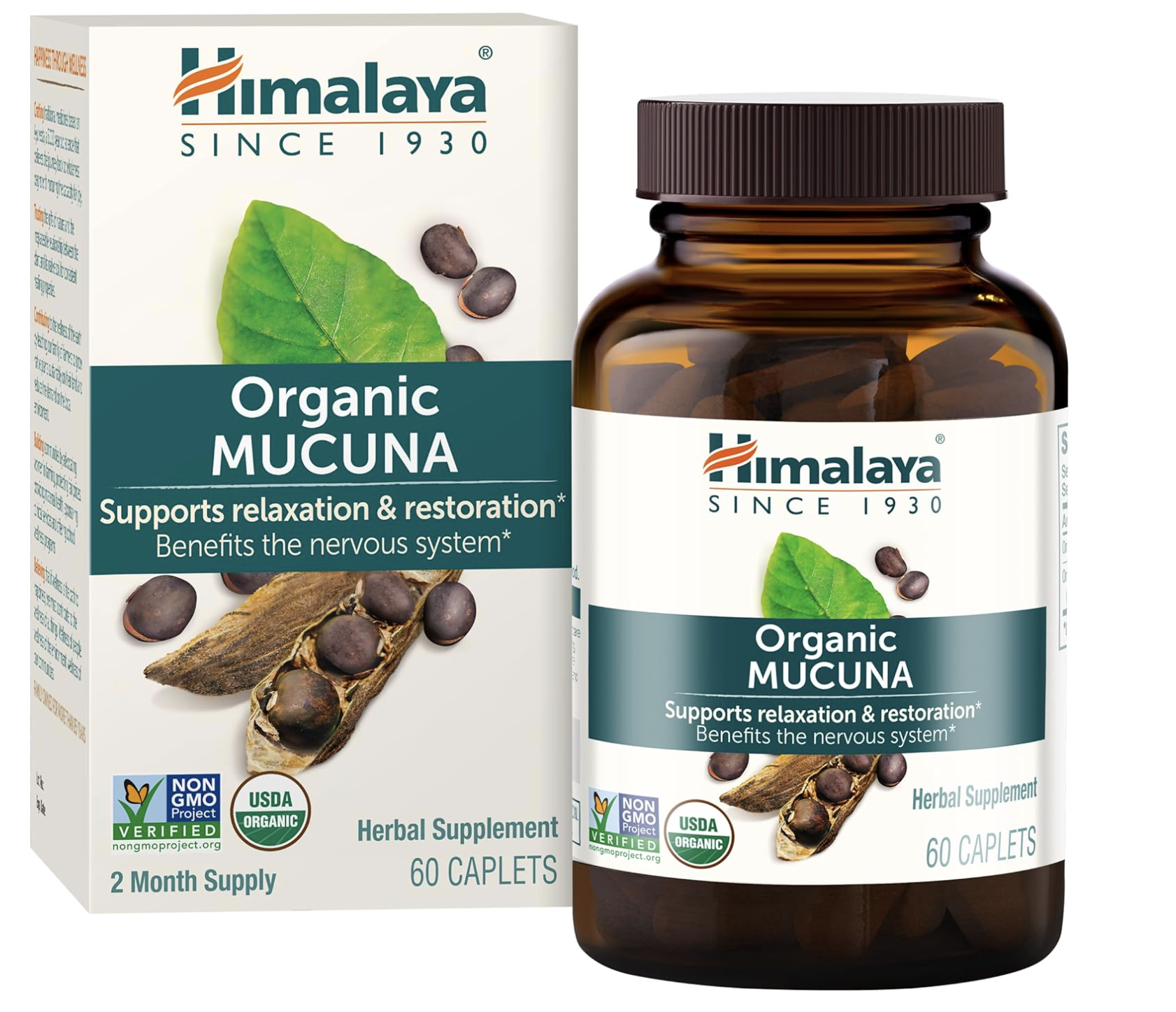
Click here to buy Organic Mucuna pruriens.
Trauma-informed therapies are essential for those with ADHD to release the emotional content that has been dissociated from the narrative memory of that moment. Eye Movement Desensitization and Reprocessing / EMDR is one of the most important trauma-informed therapies for ADHD that people often begin with at first. Craniosacral therapy can also be incredibly helpful to overcome ADHD permanently. If patients are willing and able to gain access to psilocybin mushrooms for microdosing and macrodosing, this is the ideal medicine to combine with the Mucuna pruriens protocol for ADHD.Be sure to learn more here about how to get rid of ADHD symptoms using diet and nutritional supplements.
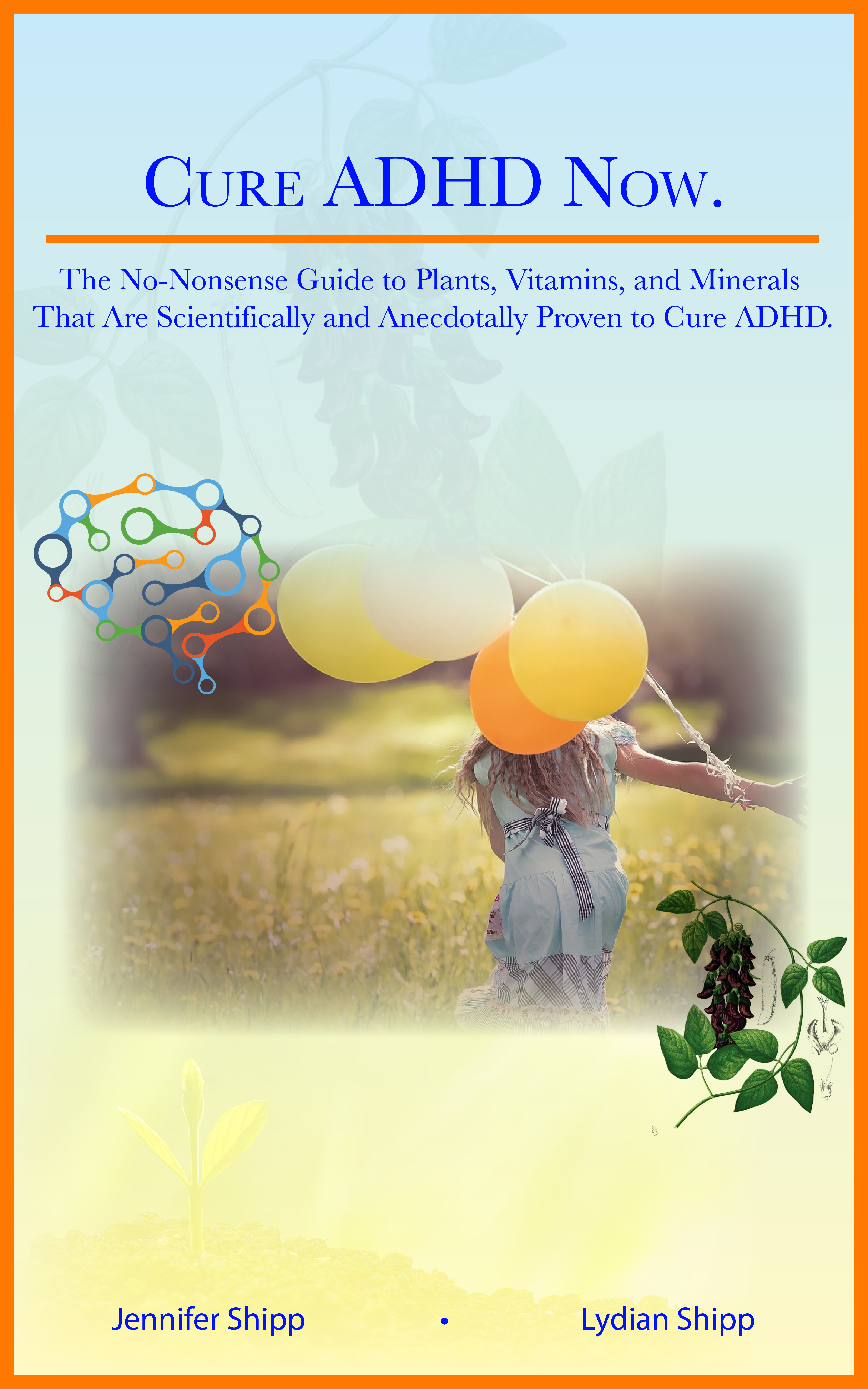
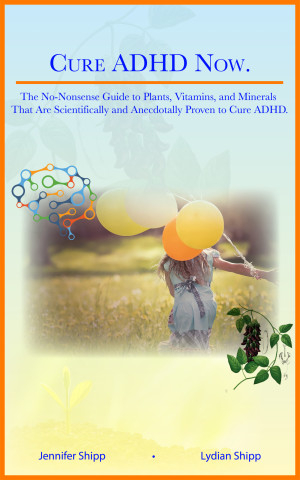
Click here to buy the Cure ADHD Now book.
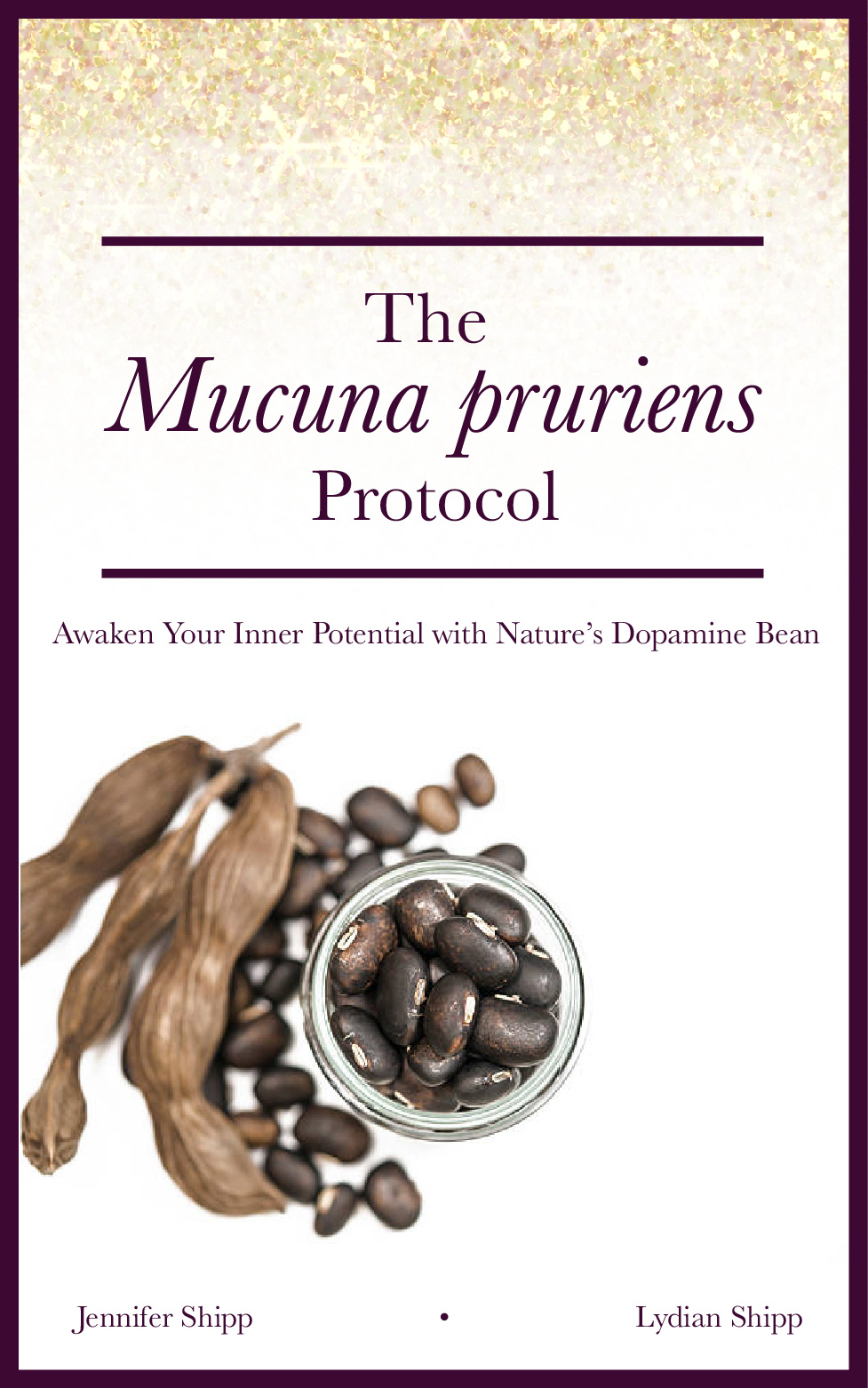
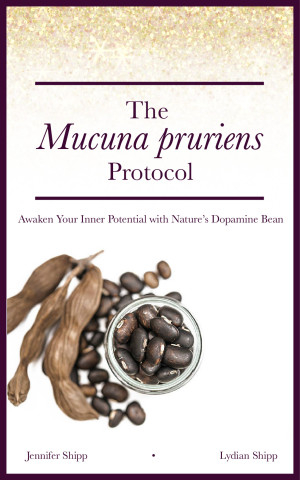
The Mucuna pruriens Protocol: Overcome Dementia, Addiction, ADHD, Mood and Mental Health Disorders
Resources:
• Quik, M. et al. (2008). Nicotine and Parkinson’s disease; implications for therapy. Retrieved May 8, 2025 from https://pmc.ncbi.nlm.nih.gov/articles/PMC4430096/
• Kamkaen, N. et al. (2022). Mucuna pruriens Seed Aqueous Extract Improved Neuroprotective and Acetylcholinesterase Inhibitory Effects Compared with Synthetic L-Dopa. Retrieved September 22, 2022 from https://pubmed.ncbi.nlm.nih.gov/35630617/
• Kamkaen, N. et al. (2022). Mucuna pruriens Seed Aqueous Extract Improved Neuroprotective and Acetylcholinesterase Inhibitory Effects Compared with Synthetic L-Dopa. Retrieved September 22, 2022 from https://pubmed.ncbi.nlm.nih.gov/35630617/
• Kondeva-Burdina, M. et al. (2019). Effect of Amanita muscaria extract on different in vitro neurotoxicity models at sub-cellular and cellular levels. Retrieved May 8, 2025 from https://www.sciencedirect.com/science/article/abs/pii/S0278691519304764