Mucuna pruriens: Herbal Remedy for Parkinson's disease, ADHD, and Addiction
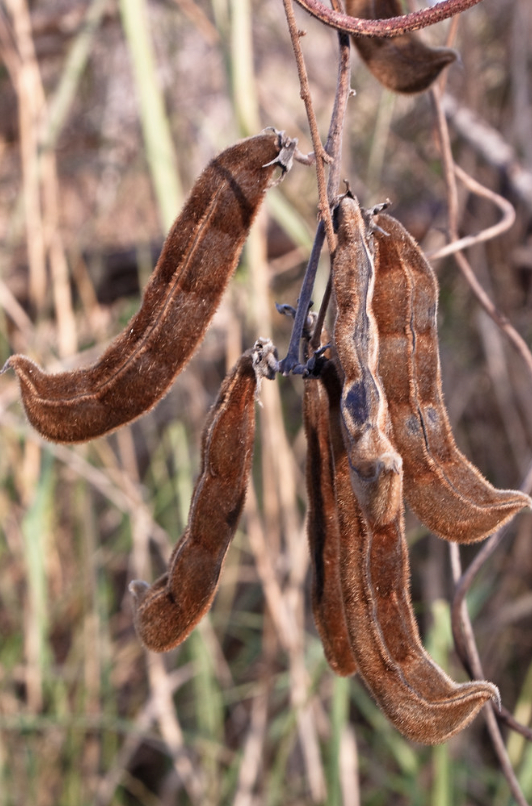
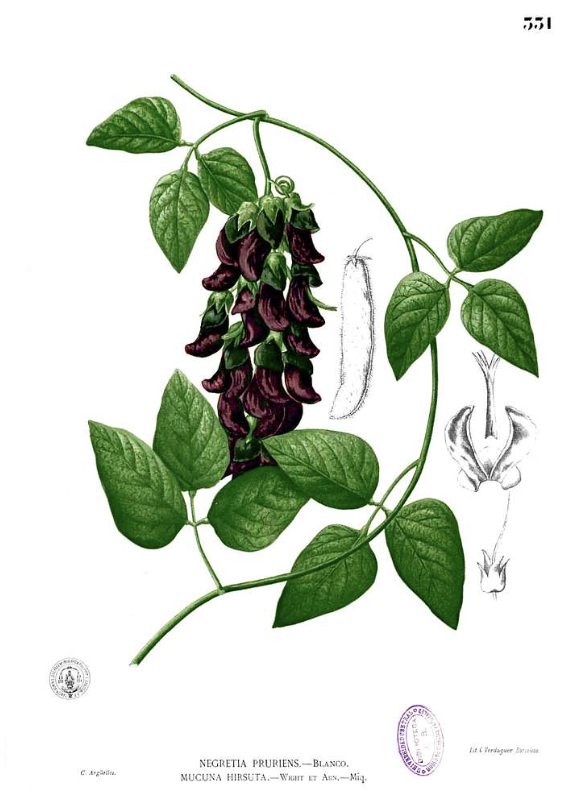 Mucuna pruriens is an important food staple in some areas of Central America, but it is also a vital medicine that’s used often in Ayurveda in India and the East. It is known by different names such as the velvet bean or kapikachhu depending on where it is being administered and who is administering it.
Nutritional supplements that contain Mucuna pruriens extracts may be called “L-dopa” and show on their ingredients list that they contain Mucuna pruriens as the plant from which the natural L-dopa is derived. In this context, as a nutritional supplement, L-dopa is merely an amino acid that’s produced naturally in the body and in the Mucuna pruriens plant. Natural human L-dopa is identical to the L-dopa produced by Mucuna. Note however, that doctors sometimes prescribe a drug that is also named L-dopa (short for Levodopa). The drug known as L-dopa or Levodopa is very different chemically from the natural supplement known as L-dopa. Though they share the same name, these two things (L-dopa-the-supplement vs. L-dopa-the-drug) are very different things that have very different effects on the body.
Mucuna pruriens can be used to treat different mental health and physical health problems including:
- Attention Deficit Hyperactivity Disorder / ADHD
- Attention Deficit Disorder / ADD
- Parkinson’s disease
- Lewy Body dementia
- Other forms of Dementia
- Addiction (all types, including behavioral addiction)
- Methamphetamine addiction
- Cocaine addiction
- Opiate addiction
- Fentanyl addiction
- Sex addiction
- Video game addiction
- Toxic relationship addiction
- Sugar addiction
- Nicotine addiction
- Other types of addiction
- Depression Disorders
- Dysthymia
- Anxiety Disorders
- Panic attacks / panic disorder
- Generalized anxiety disorder
- Obsessive-Compulsive disorder
- More…
- Bipolar disorder / Manic Depression
- Post-Traumatic Stress Disorder / PTSD
- Trauma
- Cancer
- Diabetes
- Fertility issues
- Parasites (Mucuna pruriens is mildly antiparasitic)
- Lupus / NPSLE (Neuropsychiatric Systemic Lupus Erythematosus)
- Disorders involving the dopaminergic system of the body
- More…
Mucuna pruriens is a core treatment for many of the diseases and disorders in the list above, but there are also supportive nutrients that your body will need in order to use the Mucuna pruriens properly. Without these supportive nutrients, the body won’t be able to use Mucuna and convert its amino acid content into neurotransmitters like dopamine. To really get the most out of Mucuna pruriens, you need to be sure to take supportive nutrients too.
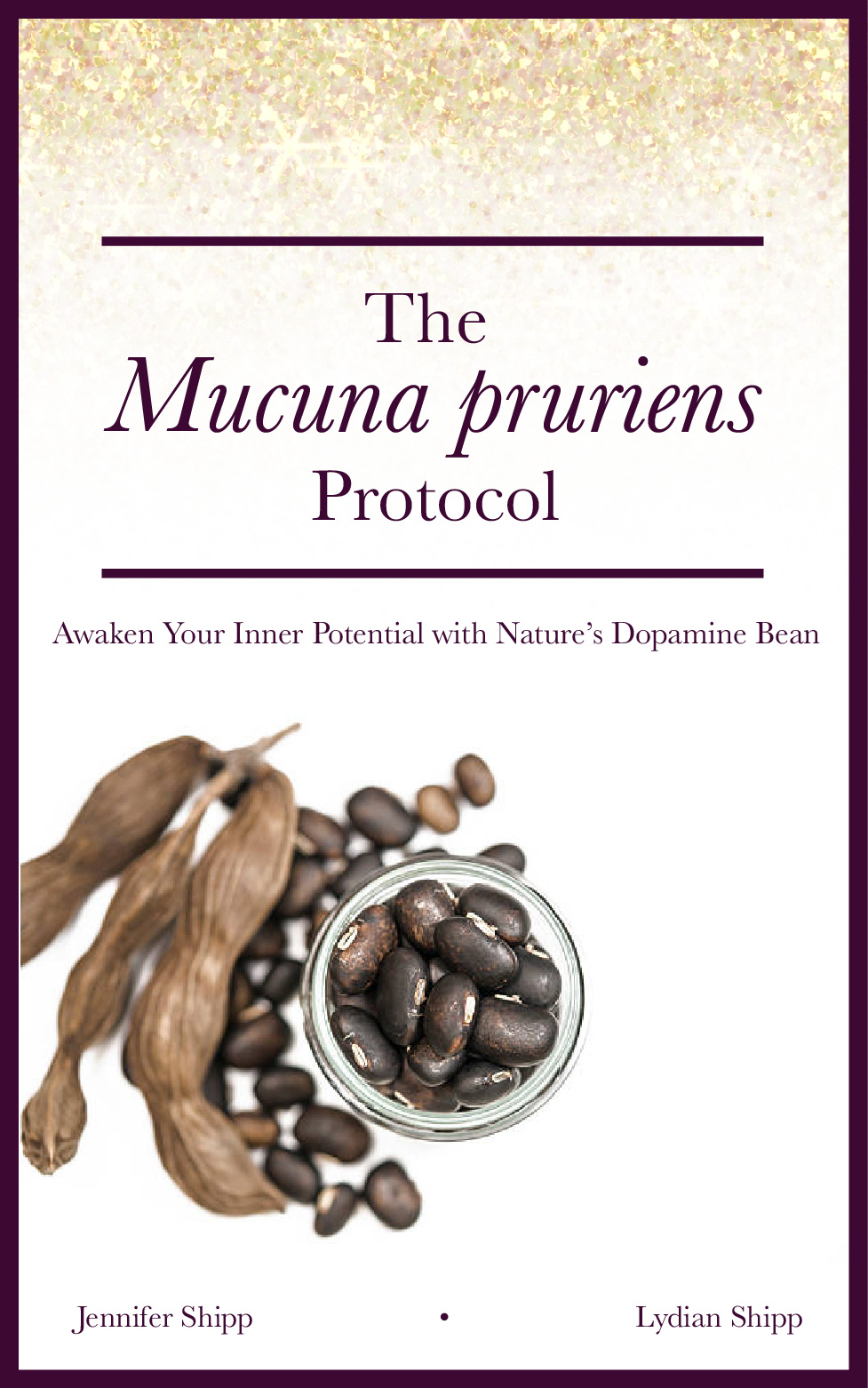
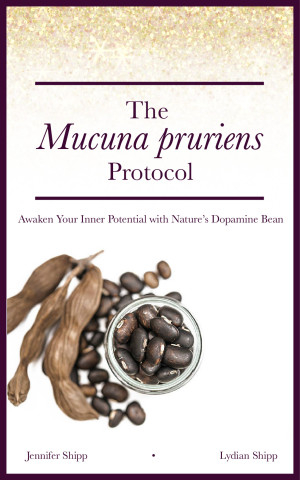
The Mucuna pruriens Protocol: Overcome Dementia, Addiction, ADHD, Mood and Mental Health Disorders
Mucuna pruriens for Anti-Aging and as a Nootropic
Mucuna pruriens is an anti-aging medicine that can help you keep your neurological system healthy and functioning smoothly, but it also impacts the integrity of the skin and digestive system. Patients with Parkinson’s disease who have gray or white hair who take high doses of Mucuna pruriens may actually find that their hair naturally becomes re-pigmented. Indeed, the amygdalin content in this herb can help reverse degenerative conditions in the body in a number of ways too. So Mucuna is an important anti-aging herb that can keep your body looking young and your brain working at optimal level.
As a nootropic, Mucuna pruriens is extremely useful in balancing mood, helping increase focus and concentration, improving decision-making and also giving people more control over themselves in terms of the types of decisions that are made. We recommend Mucuna as a nootropic that enhances productivity because it specifically provides fuel to the brain that allows a person to make decisions more rapidly.

Click here to schedule a health coaching session with us.
Mucuna for Fertility in Men and in Women
In men, Mucuna acts to improve fertility levels. In women, Mucuna acts as a mild contraceptive while women are taking it, but as soon as women stop taking it, Mucuna causes a rebound effect of enhanced fertility in women. As such it is viewed as a fertility-enhancing supplement for both men and women.Administer Mucuna and the supportive nutrients before you intend to try to conceive to prepare the body for conception if you’re a woman. Stop taking Mucuna pruriens during the period when you intend to start trying to conceive to prepare the body for conception and improve your chances of conceiving.
Men can take Mucuna pruriens continuously as an herbal remedy for infertility.
Click here to learn more about the DreamLight.app, a guided meditation and brain-entrainment tool for natural trauma-release.
Additional Reading:
To learn more about Mucuna pruriens as an herb that improves fertility and how to use it, visit the link below:
https://alivenhealthy.com/2022/04/18/mucuna-pruriens-fertility-and-general-sexual-health-how-to-use-the-mucuna-bean-to-treat-male-and-female-infertility-naturally/
Avoid Mucuna pruriens During Pregnancy and Lactation
Though Mucuna probably is an okay herb to consume during pregnancy, especially during the 2nd and 3rd trimesters, we usually don’t recommend to pregnant women because it can reduce milk production after the baby is born and there haven’t been a lot of studies done on this herb in pregnant women. There are situations when Mucuna might be warranted in low-doses during pregnancy, but as a general rule, avoid Mucuna pruriens during pregnancy and lactation.
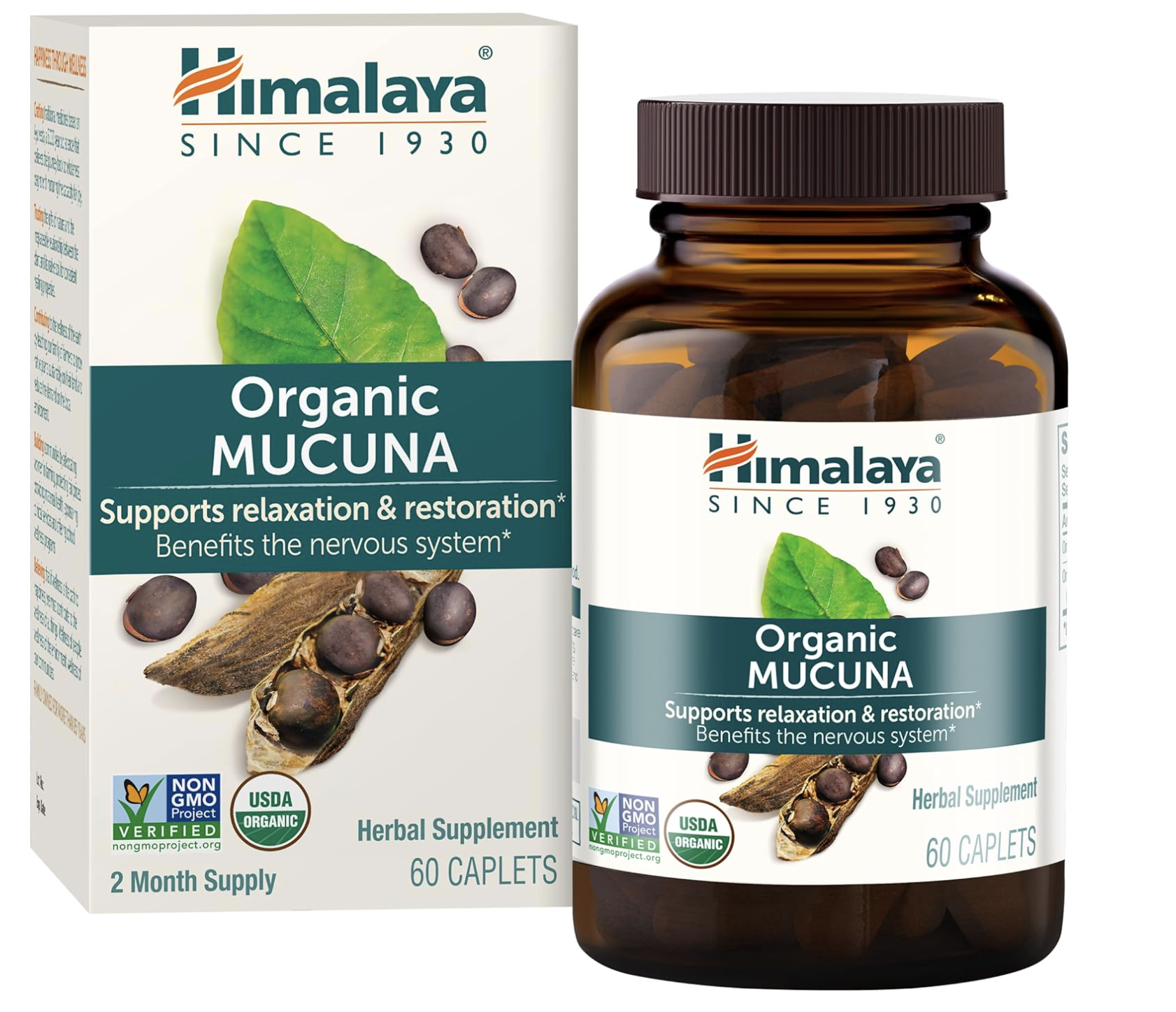
Click here to buy Organic Mucuna pruriens.
Mucuna pruriens Basic Dosing Guidelines:
Also, if you are trying to treat any of the above disorders or another disorder that isn’t specifically listed above, you’ll need to take Mucuna pruriens at a relatively high dose (6000-15000 mg per day for at least 5 months to regrow the dopamine receptors in the brain). After 5 months of continuous treatment with Mucuna pruriens at a high dose, people with non-degenerative disorders can lower their dose considerably or even stop taking Mucuna because their dopamine receptors will have regrown by this time.
People with degenerative disorders like Parkinson’s disease or Lewy Body dementia may need to continue to take Mucuna pruriens at a high dose, but trauma-informed therapies that we’ll talk about in regard to this medicine may, at least in some cases, help people overcome these and other forms of dementia in a more permanent way.

Click here to do a free EMDR trial online.
Mucuna is not addictive, so most people feel ready to stop taking Mucuna after about 5 months of supplementation. But it’s a good idea to take a low dose (500-1000 mg) of Mucuna daily as a nootropic, even if you’re not sick or struggling with mental illness or any form of dementia. Take a lower dose of Mucuna on a regular basis when you’re making a lot of difficult decisions, studying or learning a lot of material quickly, or if you’re simply under a lot of stress.
We’ll talk more about dosing as we go through the material in this course to help you make an informed decision about the right dose for you given your circumstances and the reasons why you’re doing the Mucuna pruriens protocol.
Click here to learn more and subscribe to the Living Database now.
Resources:
• Kamkaen, N. et al. (2022). Mucuna pruriens Seed Aqueous Extract Improved Neuroprotective and Acetylcholinesterase Inhibitory Effects Compared with Synthetic L-Dopa. Retrieved September 22, 2022 from https://pubmed.ncbi.nlm.nih.gov/35630617/
• Shukla, Kamla Kant, et. al. (2010). Mucuna pruriens Reduces Stress and Improves Quality of Semen in Infertile Men. Retrieved February 3, 2022 from: https://www.ncbi.nlm.nih.gov/pmc/articles/PMC2816389/
•
• Nichols, Hannah (2020). Everything you need to know about estrogen. Retrieved April 17, 2022 from: https://www.medicalnewstoday.com/articles/277177#food-sources
•
• Deka, Manalisha and Kalita, Jogen Chandra (2013). Effect of Mucuna Pruriens Seed Extract on Uterus of Ovariectomized Mice. Retrieved February 3, 2022 from: https://www.worldwidejournals.com/paripex/recent_issues_pdf/2013/August/effect-of-mucuna-pruriens-seed-extract-on-uterus-of-ovariectomized-mice_August_2013_0947110716_8900548.pdf
•
• Asmidev (n.d). Mucuna pruriens: Your Wonder Herb for Libido, Fertility, and Great Sexual Health! Retrieved April 17, 2022 from: https://asmidev.com/mucuna-pruriens/
• Van der Goes, M., Bossema, E. R., Hartkamp, A., Doaert, G. L. R. (2011). Cortisol During the Day in Patients with Systemic Lupus Erythematosus or Primary Sjogren’s Syndrome. Retrieved June 5, 2021 from https://www.researchgate.net/publication/49684916_Cortisol_During_the_Day_in_Patients_with_Systemic_Lupus_Erythematosus_or_Primary_Sjogren's_Syndrome#:~:text=The%20level%20of%20morning%20cortisol,higher%20inflammatory%20markers%20(151)%20.
•
• Noah, Ojo Temitope, et. al. (2014). Fertility Enhancing Potential of Mucuna pruriens Seeds in Female Sprague-Dawley Rats. Retrieved April 17, 2022 from: https://pesquisa.bvsalud.org/portal/resource/pt/sea-175244
•
• N.A. (n.d). Kapikacchu - Mucuna pruriens Benefits, Dose, Side Effects - Ayurveda. Retrieved April 17, 2022 from: https://www.easyayurveda.com/2012/12/26/kapikacchu-mucuna-pruriens-benefits-dose-side-effects-ayurveda/
•
• Tardiolo, G., Bramanti, P., Mazzon, E. (2018). Overview on the Effects of N-Acetylcysteine in Neurodegenerative Diseases. Retrieved April 28, 2021 from https://www.ncbi.nlm.nih.gov/pmc/articles/PMC6320789/#:~:text=In%20addition%20to%20the%20uses,prevention%20of%20cognitive%20aging%20dementia.
•
• Goetz, C. G. (2011). The History of Parkinson’s Disease: Early Clinical Descriptions and Neurological Therapies. Retrieved April 28, 2021 from https://www.ncbi.nlm.nih.gov/pmc/articles/PMC3234454/#:~:text=Parkinson's%20disease%20was%20first%20medically,earlier%20descriptions%20(Parkinson%201817).
•
• Takahashi, J.(2007). Stem Cell Therapy for Parkinson’s Disease. Retrieved April 28, 2021 fro https://pubmed.ncbi.nlm.nih.gov/17563250/#:~:text=The%20aim%20of%20stem%20cell,cells%20or%20grafted%20dopaminergic%20neurons.