Pain-Begets-Pain and Pain-Stops-Pain Models of Treatment
Sympathetic Sprouting: What You Need to Know
In order to really understand the idea that pain-begets-more-pain, you need to know how and why a little bit of pain can lead to more pain. When nerve fibers are damaged to produce pain, nerve fibers in the sympathetic nervous system branch of the autonomic nervous system “sprout” near the spinal cord. These “sprouts” eventually turn into “baskets” of extra nerves that transmit pain from a trigger point (or a place where nerve damage has occurred) to the brain. The presence of extra nerve fibers actually makes the body more sensitive to pain.Administering Bee Venom Acupuncture to Treat Chronic Pain
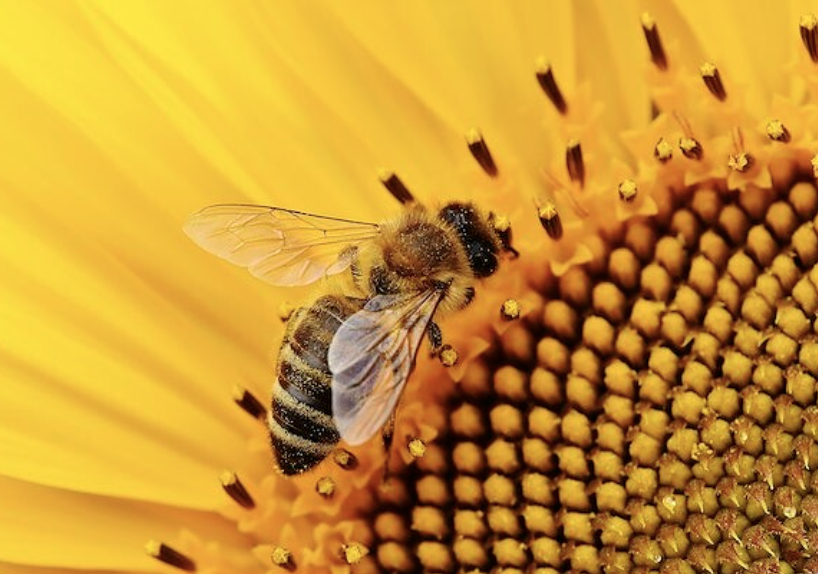 Pain is a fascinating problem, particularly chronic pain. Chronic pain involves an important emotional component that makes the relief of pain into a potentially addictive process. Individuals who suffer from chronic pain may, at first, wish to avoid the use of narcotics or opiates, muscle relaxers, NSAIDs like ibuprofen or aspirin, or other drugs that can make it hard to work or enjoy a normal social life, but eventually give up in exasperation because they literally don’t know what else to do. Chronic pain, after all, represents an energy drain wherein cells are low on energy or energy-imbalanced due to causes that may not be easy to figure out. Those who are suffering from chronic pain may be too exhausted at the end of the day to spend time researching the topic. It’s a downward spiral and chronic pain sufferers need to know that there’s hope.
One of the interesting things about chronic pain is the fact that removing the pain is sometimes unpleasant or even hard to measure for those who suffer from it. Feeling numbed out can be initially pleasant, but often, those who suffer from chronic pain will have trouble releasing their experience of pain without feeling a bit like they’re floating and “ungrounded”. Pain, after all, can be very deeply situated inside the body or it can seem to have no specific location in the body and instead seem to “float” in the patient’s energy field. In either case, the use of an irritant that actually causes controlled discomfort can be helpful in overcoming certain types of chronic pain to avoid succumbing to the use of opiates or NSAIDs.
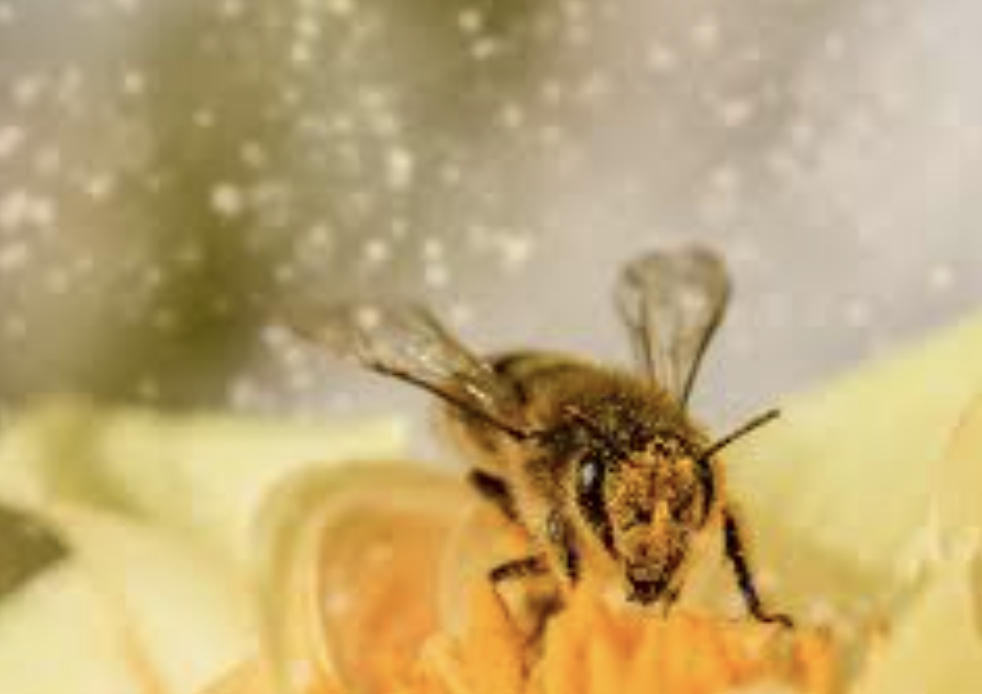
Bee venom is a pain-causing substance that can be used to overcome chronic pain in certain situations. It can also heal the root cause of chronic pain. In this article, we talk about the use of one type of controlled pain pain to reduce a type of pain that resists control. Let’s begin by talking about bee venom for chronic pain and then we’ll discuss some of the other beneficial properties of bee venom for specific diseases. Patients who are allergic to bee venom can use capsaicin / capsicum instead to treat trigger points or acupuncture points on the skin, but note that in Mexico, bee venom therapy is quite a bit more advanced than it is in other countries like the United States such that most patients can do bee venom therapy to treat chronic pain even if they have a known allergy.
Pain is a fascinating problem, particularly chronic pain. Chronic pain involves an important emotional component that makes the relief of pain into a potentially addictive process. Individuals who suffer from chronic pain may, at first, wish to avoid the use of narcotics or opiates, muscle relaxers, NSAIDs like ibuprofen or aspirin, or other drugs that can make it hard to work or enjoy a normal social life, but eventually give up in exasperation because they literally don’t know what else to do. Chronic pain, after all, represents an energy drain wherein cells are low on energy or energy-imbalanced due to causes that may not be easy to figure out. Those who are suffering from chronic pain may be too exhausted at the end of the day to spend time researching the topic. It’s a downward spiral and chronic pain sufferers need to know that there’s hope.
One of the interesting things about chronic pain is the fact that removing the pain is sometimes unpleasant or even hard to measure for those who suffer from it. Feeling numbed out can be initially pleasant, but often, those who suffer from chronic pain will have trouble releasing their experience of pain without feeling a bit like they’re floating and “ungrounded”. Pain, after all, can be very deeply situated inside the body or it can seem to have no specific location in the body and instead seem to “float” in the patient’s energy field. In either case, the use of an irritant that actually causes controlled discomfort can be helpful in overcoming certain types of chronic pain to avoid succumbing to the use of opiates or NSAIDs.
Bee venom is a pain-causing substance that can be used to overcome chronic pain in certain situations. It can also heal the root cause of chronic pain. In this article, we talk about the use of one type of controlled pain pain to reduce a type of pain that resists control. Let’s begin by talking about bee venom for chronic pain and then we’ll discuss some of the other beneficial properties of bee venom for specific diseases. Patients who are allergic to bee venom can use capsaicin / capsicum instead to treat trigger points or acupuncture points on the skin, but note that in Mexico, bee venom therapy is quite a bit more advanced than it is in other countries like the United States such that most patients can do bee venom therapy to treat chronic pain even if they have a known allergy.
Contact us at [email protected] about receiving Bee Venom Therapy at our facility near Mexico City.

Click here to schedule a health coaching session with us.
The Use of Bee Venom as an Anti-Inflammatory Agent
Bee venom
Bee venom contains a number of anti-inflammatory compounds that make it an excellent candidate for use in treating chronic pain that is caused, at least in part, by inflammation. The medicinal compounds found in bee venom include:- Melittin (this substance can also be a pro-inflammatory compound in certain situations)
- Adolapin
- Apamin
- Phospholipase A2 (this substance is an anti-inflammatory in small doses, but a pro-inflammatory agent in large doses)
- Hyaluronidase
- Catecholamines
Bee venom also contains pro-inflammatory compounds including:
- Mast cell degranulation peptide 401
- Histamine
Though bee venom contains pro-inflammatory compounds like histamine and mast cell degranulation peptide 401, it also inhibits histamine production as well as the production of pro-inflammatory cytokines. As such, despite the presence of histamine and mast cell degranulation peptide in bee venom, in fact, bee venom can act to control mast-cell activation syndrome and other mast-cell mediated allergic inflammatory disorders.
As a treatment for chronic pain, bee venom therapy has been used in clinical settings to cure a variety of musculoskeletal diseases. Below we list some of the diseases and disorders that are known to respond well to bee venom therapy, but note that bee venom therapy has the potential to help with a number of different chronic pain disorders so this is not an exhaustive list. Rather, the list below is just a series of examples to give readers an idea of how this chronic pain cure can be used as a treatment at home:
- Lumbar disc disease
- Low back pain
- Osteoarthritis
- Rheumatoid arthritis
- Lyme disease
- Adhesive capsulitis
- Lateral epicondylitis
- Peripheral neuropathy
- Stroke-related pain
- Shoulder Pain / Frozen Shoulder
- Parkinson’s Disease
- Depression and Depression-related pain
- Fibromyalgia

Click here to do a free trial of EMDR to Release Trauma.
Bee Venom Basics
Bee venom is a natural toxin that contains a variety of medicinally active compounds that can be helpful in treating human diseases. Both melittin and phospholipase A2 have powerful anticancer effects, but bee venom has also been used since antiquity to treat chronic inflammatory diseases and pain. Indeed, though bee venom can produce an anaphylactic response in some people under certain conditions, bee venom can also be used to regulate allergic responses and inflammation caused by mast cells. Interestingly, bee venom can inhibit histamine release. Bee venom itself has pleiotropic effects which means that it is a shape-shifting medicinal agent that conforms itself to different conditions in the body and often, to what patients need. Bee venom has the following medicinal effects in the body:- Anti-inflammatory
- Pain-relieving
- Antimicrobial
- Antiviral
- Neuroprotective
- Anti-arthritic
- Anti-cancer
 Everything You Never Wanted to Know About the Treatment of Chronic Pain... and How to Avoid Painkillers That Will Eventually Kill You - BUY HERE!!!
Bee Venom Acupuncture Basics
Bee venom acupuncture involves an injection of bee venom into acupuncture points to relieve pain. Bee venom acupuncture may involve the placement of actual bees on acupuncture points to release the stinger or it may involve syringe-injections of bee venom. Syringe-injections are not especially painful and they can be injected into the face and even around the eyes.In chronic pain conditions, the pain may be caused by disease or injury or it may have an unknown cause. Bee venom acupuncture has a pain-relieving effect that works well to treat any of the following diseases, disorders, and injuries:
- Muscle pain
- Joint pain
- Skeletal pain
- Inflammatory pain
- Neuropathic pain
- Pain caused by Lyme and co-infections
- Pain caused by rheumatoid arthritis
- Fibromyalgia pain
- Frozen shoulder pain
Bee venom acupuncture may involve 5 or more bee stings administered to specific points on the body. In one study examining the effects of bee sting therapy for rheumatoid arthritis (RA), 5 to 15 bee stings were administered to Ashi-points or acupoints depending on characteristics of the RA pain. Bee stings were left in place for about 5 minutes each time and the stings were administered once every other day. Treatment lasted for 8 weeks.
Study participants reported that bee sting therapy had an effectiveness rate of 80% in curing RA. RA patients experienced a marked decrease in morning stiffness, arthralgia pain, and swollen joints. Joint tenderness was also diminished. Hand-grip strength improved dramatically in comparison with before treatment. There were no significant adverse effects reported in this RA study.
Bee venom therapy combines the benefits of acupuncture and meridian-work with the benefits of powerful medication (the bee venom) to enhance its effects. Bee venom acupuncture has gained some popularity in Korea for pain relief and also as a treatment for diseases that are not responsive to other types of treatment. In the U.S., bee venom acupuncture has been used as one of the most reliable and important treatments for Lyme disease, but we have also used bee venom therapy for chronic pain conditions for clients as well as for Lydian’s fibromyalgia pain. It is used to control rheumatoid and osteoarthritis pain as well as other chronic pain conditions like low back pain. Bee venom acupuncture relieves pain as well as inflammation.
Diluted bee venom is often used in bee venom acupuncture involving syringe-injections which significantly lessens the pain in these injections. Studies have shown that the use of classic acupuncture without the diluted bee venom is not as effective in the treatment of pain as combining acupuncture with the bee venom. Often apitherapists begin treatment by administering syringe-injections. Later in the treatment cycle, real bees may be used to administer non-diluted forms of bee venom.
Our experience with bee venom therapy for Lydian’s chronic pain has been positive, but apitherapy is something that has to be administered for 6 to 8 weeks to get the full healing effect from this type of treatment.
We offer bee venom therapy in Mexico at our facility near Mexico City. Contact us at [email protected] to learn more.
Frozen Shoulder, Shoulder Pain of Unknown Cause, and Post-Stroke Shoulder Pain Alternative Treatment Using Bee Venom Therapy
Shoulder pain is common following a stroke and bee venom acupuncture is being increasingly used to treat this type of pain. Bee venom acupuncture has become popular in South Korea to reduce post-stroke shoulder pain because it is effective at improving motor function while reducing inflammation and pain. No serious adverse events have been reported in randomized clinical trials examining the effects of bee venom acupuncture for post-stroke shoulder pain to date.For those who suffer from frozen shoulder or shoulder pain from stress or from an unknown cause, bee venom acupuncture can be extremely beneficial according to the research. Bee venom injections tend to improve blood flow to areas of the body where blood stasis may be happening, ultimately promoting tissue healing in addition to pain relief.
Bee Venom Therapy for Rheumatoid Arthritis (RA)
Bee venom acupuncture reduces pain and inflammation in patients with rheumatoid arthritis, but it also has the ability to promote better blood flow to painful joints. When blood flow is improved toxins can be removed more readily from the joints and oxygen and cellular nutrients can be delivered in greater quantities to promote healing.In one study, bee venom acupuncture administered once daily for 6 days per week for 90 days was compared with methotrexate and ibuprofen. This study focused on the following acupoints:
- Ganshu (BL 18)
- Pishu (BL 20)
- Shenshu (BL 23)
- Hegu (LI 4)
- Quchi (LI 11)
- Zusanli (ST 36)
- Local Ashi points
Results from this study indicated that bee venom acupuncture can provide significant healing benefits from those with RA that surpasses treatment outcomes using ibuprofen or methotrexate.
Bee Venom Acupuncture for Adhesive Capsulitis
Adhesive capsulitis can be difficult to treat, but bee venom acupuncture with physiotherapy (such as TENS treatments, infrared sauna, and manual physiotherapy) is more effective at treating adhesive capsulitis than physiotherapy by itself.Venom Therapies for Cancer and for Cancer Pain
There’s a relationship between a cancer cell and the external milieu that surrounds cancer cells that can be exploited to kill cancer cells and also reduce cancer pain at the same time. Cancer cells must proliferate and develop a blood supply (angiogenesis) in order to survive. Certain venoms and their toxins have anticancer effects, in particular bee venom and snake venom.
Become an Expert. Do our Anticancer Video Course Series Online.
Snake Venom for Cancer
Snake venom, like bee venom, can be used as a powerful medicine when it is administered in the right way and at the proper dose. Protein peptides and enzymes from snake venom can bind directly to cancer cell membranes to reduce metastasis and proliferation of these cells. Some of the substances found in snake venom have significant anticancer effectsBee Venom for Cancer
Bee venom has been used with noteworthy success in treating skin cancer and leukemia, but it may be effective as a treatment for other types of cancer as well. Bee venom can prevent melanoma cancer cell growth and it also causes melanoma cells to die both in in vivo and in vitro studies. Studies have shown that bee venom can also cause cancer cell differentiation or the reversion of cancer cells back into healthy human cells.Bee venom therapy for cancer is an ancient treatment that dates back to Hippocrates. Bee venom, after all, contains peptides that reduce inflammation, spur blood flow, and that can kill cancer cells. Bee venom interferes with vital signalling pathways in cancer cells to prevent their proliferation and development. While bee venom therapy can get rid of cancer-pain, it can also be used to cure cancer at the same time.
Melittin is one of the important peptides found in bee venom that has strong anti-cancer effects. Melittin can break-down cancer cell membranes, ultimately leading to cancer cell death. It decreases angiogenesis to limit tumor growth and spread and it also plays an important anti-cancer role in DNA binding and dissociation.
The phospholipase A2 hydrolyzes fatty acids in cancer cell membranes to cause cancer cell death through yet another mechanism of action that differs from the mechanism by which melittin can kill cancer cells. The immune-modulating effects of bee venom represent yet another medicinal action that has not yet been adequately studied in terms of how it impacts cancer cells.
Basal cell carcinoma is a common type of skin cancer that often recurs after surgery. In patients with basal cell carcinoma who wish to avoid having a recurrence of these tumors in other locations, bee venom therapy is a suitable alternative. Dry honeybee venom has been applied on head lesions of basal cell carcinoma to remove the cancer without surgery. In one case study, 1 milligram of dry bee venom was dissolved in 1 mL of distilled water (0.1% concentration) as an injectable solution. A dose of 0.3 to 0.5 mL of the solution was injected subcutaneously in the skin of the affected lesions. An ointment was also administered using 2% bee venom to be used inside the patient’s ear where injection was not possible. Ascorbic acid or citric acid was applied to dead cancer cells following injection with the bee venom solution.
As a cure for skin cancer, studies have shown that beekeepers who are interacting with bees regularly are less likely to develop cancer, particularly skin cancer. Bee venom not only can kill skin cancer cells, but also prevent and repair damage to healthy human cells.
Click here to subscribe to the Living Database now.
Bee Venom Therapy for Parkinson’s Disease
Parkinson’s disease is one of a number of neurodegenerative disorders involving the progressive degeneration of dopamine neurons in certain areas of the brain. This neurodegenerative disease is painful and scary, but bee venom therapy shows promise as a medicine that can reduce pain while working to stop the progression of the disease at the same time. Dopamine neuron loss is said to produce a dopamine deficiency while overstimulation of the glutamatergic neurons inhibit the activity of the thalamus in the brain in Parkinson’s patients. Bee venom therapy has been studied as an alternative treatment for Parkinson’s disease that can prevent the degradation of the dopamine neurons in the brain. Bee venom works through multiple mechanisms of action to reduce damage caused by Parkinson’s disease. Bee venom acupuncture improves Parkinson’s disease motor abilities while reducing dopamine, norepinephrine, serotonin, and glutathione levels. Bee venom therapy also lowers levels of pro-inflammatory cytokines and it modulates the expression of genes that worsen symptoms of Parkinson’s disease. .Bee Venom Therapy for Alzheimer’s Disease
The use of bee venom therapy to prevent progressive degenerative diseases of the nervous system should give chronic pain patients pause. Bee venom therapy specifically shows promise as a treatment that can prevent or cure neurodegenerative disease progression in Alzheimer’s, Parkinson’s disease, and Amyotrophic Lateral Sclerosis. Chronic pain patients who wish to treat underlying disease processes that may be contributing to daily pain should consider this form of treatment as an option.Alzheimer’s disease is another devastating neurodegenerative disease involving neuron death and loss of connections between neurons. Malfunctioning proteins in the brain and the accumulation of beta-amyloid and tau proteins seems to play a role in the development of Alzheimer’s disease.
Studies have shown that bee venom therapy can inhibit the production of amyloid proteins and the brain inflammation involved in Alzheimer’s disease. The apamin found in bee venom specifically improves dendrite morphology to improve synaptic plasticity while phospholipase A2 improves cognitive function by deactivating microglia and reducing infiltration of CD4+ T lymphocytes. Bee venom acupuncture has the ability to protect nerve cells from damage by reducing inflammation in neurodegenerative diseases like Alzheimer’s, Amyotrophic Lateral Sclerosis, and Parkinson’s dementia.
Click here to learn more about the DreamLight.app, an online guided meditation and brain-entrainment tool.
Bee Venom Therapy for Amyotrophic Lateral Sclerosis (ALS)
Amyotrophic lateral sclerosis (ALS) is another severe neurodegenerative disease involving the degeneration of motor neurons in the spinal cord and brain. ALS patients experience a slow decline in motor function that leads eventually to complete paralysis and eventually death due to respiratory failure.In animal studies of ALS, bee venom therapy improved motor activity and survival rates while melittin administration by itself reduced the proportion of dead neurons in the spinal cord of patients with this disease. Melittin also significantly reduced inflammation in the brain and spinal cord to slow the progression of this disease.
Bee Venom for Liver Fibrosis
Pain throughout the body often emanates from liver congestion, bile stones or sludge, and gallstones or bile sludge in the gallbladder. Decongesting the liver using coffee enemas, liver detoxifying herbs and treatments, and gallbladder detoxifying cleanses can open the common bile duct to allow the liver to heal. But bee venom therapy is another important medicinal treatment that can detoxify the liver and give it the opportunity to regenerate and heal itself too. Most people don’t consider the role of the liver or the gallbladder in chronic pain. For some patients, liver fibrosis due to exposure to toxic substances can play a reversible role in chronic pain conditions. Using bee venom therapy liver fibrosis can be reversed.Liver fibrosis is caused by chronic exposure to damaging liver toxins including environmental toxins as well as alcohol and drugs. Toxin exposure leads over time to the replacement of normal liver cells with fibrotic tissue that impairs blood flow to the liver. Liver functioning declines with more and more fibrosis and portal hypertension develops along with bile flow obstruction. In conventional medicine, liver fibrosis is regarded as irreversible, but in fact, the liver is one of the organs in the body with the greatest capacity to heal itself. Bee venom therapy, in particular, has therapeutic potential for those who are willing to seek out this alternative cure for liver fibrosis.
Bee venom therapy can inhibit the progression of liver fibrosis. Phospholipase A2 is particularly important as a protective substance against acetaminophen-induced liver toxicity. Melittin reduces the number of dead liver cells and this substance inhibits the expression of genes that can lead to a higher number of liver cell deaths. Meanwhile, the apamin in bee venom can prevent liver fibrosis through additional mechanisms of action such that bee venom acts as a multi-functional liver healing medicine.
We offer a variety of treatments for chronic pain at our facility in Mexico City. Contact us at [email protected] about receiving bee venom therapy at our facility near Mexico City.
Resources:
• Cherniack, E. P. & Govorushko, S. (2018). To bee or not to bee: The potential efficacy and safety of bee venom acupuncture in humans. Retrieved December 31, 2021 from https://pubmed.ncbi.nlm.nih.gov/30268393/
• Chen, S. Y., Zhou, P, Qin, Y. (2018). Treatment of Rheumatoid Arthritis by Bee-venom Acupuncture. Retrieved December 31, 2021 from https://pubmed.ncbi.nlm.nih.gov/29888580/
• Lee, J. D., Park, H. J., Chase, Y., Lim, S. (2005). An Overview of Bee Venom Acupuncture in the Treatment of Arthritis. Retrieved December 31, 2021 from https://www.ncbi.nlm.nih.gov/pmc/articles/PMC1062163/
• Lee, M. S. et al. (2008). Bee venom acupuncture for musculoskeletal pain: a review. Retrieved December 31, 2021 from https://pubmed.ncbi.nlm.nih.gov/18226968/
• Lim, S. M. & Lee, S. H. (2015). Effectiveness of bee venom acupuncture in alleviating post-stroke shoulder pain: a systematic review and meta-analysis. Retrieved December 31, 2021 from https://pubmed.ncbi.nlm.nih.gov/26165368/
• Shen, L. et al. (2020). Bee Venom Acupuncture for Shoulder Pain: A Systematic Review and Meta-Analysis of Randomized Controlled Trials. Retrieved December 31, 2021 from https://pubmed.ncbi.nlm.nih.gov/32685232/
• Zhu, Y. et al. (2018). Acupuncture combined with western medicine on rheumatoid arthritis and effects on blood stasis. Retrieved December 31, 2021 from https://pubmed.ncbi.nlm.nih.gov/29797911/
• Koh, P. S. et al. (2013). Clinical effectiveness of bee venom acupuncture and physiotherapy in the treatment of adhesive capsulitis: a randomized controlled trial. Retrieved December 31, 2021 from https://pubmed.ncbi.nlm.nih.gov/23352187/
• Xu, J. & Zuo, Y. (2018). Efficacy of acupuncture as adjunctive treatment on infertility patients with polycystic ovary syndrome. Retrieved December 31, 2021 from https://pubmed.ncbi.nlm.nih.gov/29696918/
• Sung, S. H. & Lee, G. (2021). Bee Venom Acupuncture Effects on Pain and Its Mechanisms: An Updated Review. Retrieved December 31, 2021 from https://pubmed.ncbi.nlm.nih.gov/34564611/
• Kasozi, K. I. et al. (2020). Bee Venom– A Potential Complementary Medicine Candidate for SARS-CoV-2 Infections. Retrieved December 31, 2021 from https://www.ncbi.nlm.nih.gov/pmc/articles/PMC7758230/
• Uzair, B. et al. (2018). Potential Uses of Venom Proteins in Treatment of HIV. Retrieved December 31, 2021 from https://pubmed.ncbi.nlm.nih.gov/29956606/
• Moga, M. A. et al. (2018). Anticancer Activity of Toxins from Bee and Snake Venom–An Overview on Ovarian Cancer. Retrieved December 31, 2021 from https://pubmed.ncbi.nlm.nih.gov/29562696/
• Vyas, V. K., Brahmbhatt, K., Bhatt, H., Parmar, U. (2013). Therapeutic potential of snake venom in cancer therapy: current perspectives. Retrieved December 31, 2021 from https://pubmed.ncbi.nlm.nih.gov/23593597/
• Koh, C. Y. and Kini, R. M. (2011). From snake venom toxins to therapeutics–cardiovascular examples. Retrieved December 31, 2021 from https://pubmed.ncbi.nlm.nih.gov/21447352/
• Shen, L. et al. (2020). Bee Venom Acupuncture for Shoulder Pain: A Systematic Review and Meta-Analysis of Randomized Controlled Trials. Retrieved September 9, 2025 from https://pmc.ncbi.nlm.nih.gov/articles/PMC7338706/
• Kim, M. and Han, C. (2020). Pharmacopuncture for stroke survivors: A systematic review of randomized controlled trials in South Korea. Retrieved September 9, 2025 from https://www.sciencedirect.com/science/article/abs/pii/S1744388119307698
• El-Arabey, A. A. & Ghramh, H. A. (2025). Bee venom: Yesterday’s enemy becomes modern medicine for skin cancer. Retrieved September 10, 2025 from https://www.sciencedirect.com/science/article/abs/pii/S001448272500031X#:~:text=Bee%20venom%20induces%20apoptosis%20and,differentiation%20in%20vitro%20%5B3%5D.
• Kang, Y. M. et al. (2018). Inhibitory effects of bee venom on mast cell-mediated allergic inflammatory responses. Retrieved September 10, 2025 from https://pubmed.ncbi.nlm.nih.gov/29532852/
• Stela, M. et al. (2024). Therapeutic Potential and Mechanisms of Bee Venom Therapy: A Comprehensive Review of Apitoxin Applications and Safety Enhancement Strategies. Retrieved September 10, 2025 from https://www.mdpi.com/1424-8247/17/9/1211