Slippery Elm Bark for Digestive and Respiratory Problems in Infants and Children
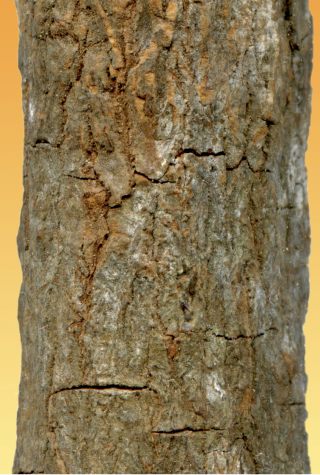
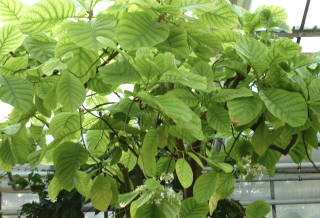
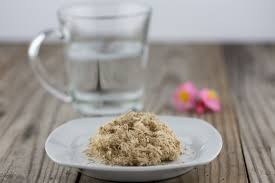
Ulmus rubra is a type of elm tree native to North America, where it was long used by Native American cultures in both food and medicine. Medicinally, only the inner bark of the slippery elm tree is used; the inner bark is generally powdered first before being prepared. The inner bark of slippery elm is also quite nutritious, with a nutritional profile similar to that of oat porridge. This is an herbal remedy that's safe for infants and children as well as pregnant women. It can be used to treat a number of different health problems that we discuss below.Slippery elm bark has the following medicinal properties in the body:
- Demulcent
- Emollient
- Nutritive
- Antitussive / Prevents cough
- Relieves inflammation
- Promotes healing
- Antacid
- Quiets the nervous system
- Aids restful sleep
- Lubricates the digestive system
- Mucilaginous
- Cooling
- Expectorant
- Diuretic
- Astringent
- Antioxidant
- Antiseptic
Slippery elm bark has been used to treat the following health problems (beyond those discussed in more depth below):
- Gastrointestinal problems
- Respiratory problems
- Typhoid fever
- Tapeworms
- Hemorrhoids
- Urinary tract infection (UTI)
- Herpes (topical application)
- Syphilis (topical application)
- Ulcers
- Rheumatism
- Pleurisy
- Dysentery
- Cystitis
- Urethritis
- Strangury
- Bleeding in the lungs
- Weakness / debility
- Fever
- Aging
- Inflammation of the
- Kidneys
- Bladder
- Stomach
- Lungs
- Intestines
- Eyes
Slippery Elm Bark for Gastrointestinal Problems in Babies and Children
Slippery elm bark’s mucilaginous properties are excellent for the treatment of various gastrointestinal problems. This herb coats the digestive tract to ease discomfort and is known to absorb toxins and assist in removing them from the body, thus reducing gastrointestinal symptoms caused by all kinds of toxin exposure. In addition, slippery elm bark not only offers extra lubrication in the GI tract, but also actively facilitates the production and secretion of mucus, thus supporting healthy bowel movements and preventing gastric ulcers.Slippery elm bark has been used to treat the following gastrointestinal complaints:
- Crohn’s disease
- Ulcerative colitis
- Irritable bowel syndrome (IBS)
- Diarrhea
- Constipation
- Diverticulitis
- Gastric ulcers
One study done on a group of 31 adult patients with IBS observed that a combination of slippery elm bark, bilberry powder, aerial parts of agrimony, and cinnamon quills was able to significantly improve IBS symptoms in patients with constipation-dominant IBS. The same combination wasn’t found to be as effective in patients with diarrhea-dominant IBS.
Slippery elm bark may also help balance the gut microbiome by acting as a prebiotic. This herb can help increase the levels of “good” bacteria in the “intestines”, such as Lactobacillus, Bifidobacterium, and Bacteroides bacteria species. Slippery elm can also reduce the number of harmful bacteria in the intestines and help relieve gastrointestinal irritation and inflammation.
Kid-Friendly Medicines Living Database, BETA Release- NOW AVAILABLE! Click here to sign up...
Slippery Elm Bark Powder for Diaper Rash
Slippery elm bark powder can be applied topically directly to the affected areas as a natural treatment for diaper rash in babies and toddlers. This powder effectively absorbs moisture and also creates a soothing, gel-like coating that can aid healing with diaper rash. It can be combined with other natural baby powder alternatives, like bentonite clay or cornstarch, to help prevent diaper rash from occuring in the first place.Slippery elm bark powder can also be combined with raw honey to create a cream that can be applied to particularly severe spots of diaper rash. Raw honey itself has remarkable healing powers for wounds of all kinds, and in this context, works well when combined with slippery elm bark. Make sure to use extra caution if your child is under 1-year-old, however, since babies under 1-year-old should not be eating honey (to clarify, you can topically apply the honey to the skin, just be sure that no honey makes its way onto your child’s hands and into their mouth!).
Slippery Elm Bark Powder for Other Skin Problems
Ulmus rubra has also been used topically to treat these skin problems:- Wounds
- Burns
- Boils
- Insect bites
- Dry skin
- Skin inflammation
- Scalds
- Itching
- Abscesses
Slippery Elm Bark for Psoriasis
Slippery elm bark tea is recommended for the treatment of psoriasis. It can be taken internally as a tea or administered externally in a kind of poultice. Slippery elm bark can also be combined with other child-safe treatments and medicines for psoriasis, such as ox bile (in smaller doses than the adult dose, of course), the Budwig smoothie, and sunlight exposure, to name a few.Slippery Elm Bark for Gastroesophageal Reflux (GERD) in Babies
Slippery elm bark, as a demulcent, is usually considered to be safe when administered to infants and children. In the treatment of GERD, one of the main ways through which slippery elm bark is thought to relieve symptoms is by creating a kind of slippery barrier between the esophagus and the stomach. This barrier can prevent the release of stomach acid into the esophagus. Slippery elm bark also helps neutralize acidity as an antacid herb.Slippery elm bark powder can be combined with chamomile and/or ginger powder to treat GERD. Both Roman chamomile and German chamomile are safe for use in infants, though the German variety is arguably better studied in terms of babies and children.
Slippery Elm Bark for Respiratory Infection and Other Respiratory Problems in Babies and Children
Slippery elm is an antitussive, anti-inflammatory, expectorant, and mucilaginous herb. Its antitussive and expectorant qualities mean that it can help prevent coughs while also promoting the expulsion of mucus from the lungs, leading to more productive coughs overall. The anti-inflammatory quality of this herb helps relieve pain and discomfort associated with respiratory infections and other respiratory problems, and its mucilaginous qualities can also help relieve these kinds of symptoms by coating the throat in particular.Slippery elm bark can be used to treat the following respiratory complaints in infants and children:
- Cough
- Bronchitis
- Sore throat
Slippery elm bark specifically helps treat Streptococcus pyogenes infection, and is particularly good at treating sore throats caused by this particular bacteria.
Slippery elm bark can be given as a tea to infants or young children. In babies older than 1 year, the powder combines well with raw honey for the treatment of sore throats, cough, and other respiratory symptoms in particular (also, this form of administration tends to be quite tasty). The herb combines well with licorice root and/or marshmallow root for the treatment of coughs, colds, and bronchitis.
Slippery Elm Bark for Teething Pains
Slippery elm bark has long been used to ease teething pains in infants and toddlers. A thick gruel can be prepared using hot water and slippery elm powder, which can then be applied directly to the gums and teeth of a teething child using a baby toothbrush.I have personally used this remedy with my daughter, and it does seem to be successful, especially when combined with a mixture of clove essential oil and coconut oil. Both remedies seemed to help ease her pain, but together they seemed to be more effective. I did have to be careful and be prepared for my daughter to choke suddenly when giving her the slippery elm bark gruel, since it is quite thick and easy to choke on, especially if a baby is lying down when you give it to them or crying. In my experience, it took between 10-20 minutes for this combination remedy to actually kick in and start working, so it does require some patience. The sooner you can administer it, the better (in other words, don’t wait until the baby is screaming, if they seem a little bit uncomfortable, better to rub on slippery elm bark than to wait until the pain gets worse).
How to Administer Slippery Elm Bark to Babies and Children
It is safe for internal administration in people of all ages, including even very young infants and small children (NOTE: I have personally given slippery elm bark internally to my daughter to treat gastrointestinal discomfort when she was around 1 month old, and for teething pains when she was 4 months old). It can be given at a dose of between 2-24 grams per day. Slippery elm bark is also safe for pregnant women and during the lactation period. Just like with any new food or herb, it’s a good practice to test out a small amount of slippery elm to make sure that your child doesn’t have an allergic reaction, but otherwise, this is a very safe herbal treatment.When administering slippery elm bark internally to a baby or child, it is important to ensure that they stay well-hydrated, since the mucilaginous quality of slippery elm requires this. Slippery elm bark powder can be administered by itself at first if needed; in cases of gastrointestinal disruption, small amounts of the powder can be combined with easily digestible foods (such as mashed bananas or other fruits and steamed, mashed vegetables). This can help ease any discomfort that may arise upon eating after having lost one’s appetite for a time.
The administration methods for slippery elm bark include:
- Gruel (internal) - A thick, porridge-like gruel of slippery elm bark can be administered to help relieve gastrointestinal discomfort. One teaspoon of slippery elm bark powder should be mixed gradually with 1 pint of boiling water. In older infants or in children, some other spices or flavorings like cinnamon can be added to improve the flavor.
- Tea - Add slippery elm bark powder to hot, boiling water. Let steep for a few minutes. Drink while still warm and fresh; otherwise, the tea will become rather thick and unpalatable since it will thicken (this tea is MUCH better taken warm than cold). For very small children or infants, use a dropper to administer small amounts of the tea at first. Older children can drink the tea as needed.
- Decoction - Prepare a decoction using 4 grams of slippery elm bark powder to 500mL of boiling water.
- Capsules - The capsulized form of slippery elm bark powder can be taken at a dose of 400mg on an as-needed basis, or up to 12 capsules per day. Note that this is perhaps the most inconvenient form of administration of this herb, and one of the less effective methods as well.
- Tablet / Lozenge - There are commercial slippery elm bark lozenge preparations available that are particularly well-suited to the treatment of respiratory symptoms such as cough or sore throat. Be sure to check the ingredients for other herbs (since these herbs may or may not also be safe for children), as well as for sugar, artificial sweeteners, or artificial colorings. The lozenges should be as simple and pure as possible for best results.
- Poultice (external) - To make a poultice with slippery elm bark, the powder or coarse bark can be used externally. About 1-2 teaspoons of the powder or bark should be mixed with a small amount of hot water to make a thick, gelatinous substance that can then be applied to the affected areas of the skin. Ideally, apply the slippery elm bark poultice with a dressing to keep in moisture and promote healing. Change the dressings and poultice mixture regularly.
- Slippery Elm + Honey - Slippery elm can be mixed with raw honey to be applied externally as a poultice for skin complaints, OR it can be taken internally (this can sometimes make the slippery elm bark more palatable for children over 1 year of age). (NOTE: DO NOT give raw honey to children under 1-year-old! Use caution when applying externally since the child may get honey on their hands and then put their hands in their mouth).
- Slippery Elm + Raw Milk - King’s Dispensatory recommends boiling 1 tablespoon of slippery elm bark powder with 1 pint of fresh, raw milk to be given to infants who have been weaned or are in the process of being weaned. This is indicated as both a treatment and preventative for any potential gastrointestinal inflammation or other problems that may arise in babies during the weaning period.
- Slippery Elm Bark Enema - A kind of thin tea with slippery elm bark can be made to be administered as an enema. This is indicated to relieve GI pain and discomfort and to lubricate the colon. One ounce of slippery elm bark powder should be combined with 1 pint of clean, boiled water.
Some sources say that myrrh extract can be added to topical applications of slippery elm in particular in order to enhance slippery elm’s antiseptic effects. Therefore, combining a small amount of myrrh extract with one of the topical preparations mentioned above (either a poultice or the slippery elm + honey combination) may be valuable in the treatment of skin infections, skin ulcers, or wounds. Note that in small quantities, myrrh is also a baby- and child-safe herb.
Slippery elm bark combines well with chamomile and/or ginger to treat abdominal distention and gastroesophageal reflux (GERD), as well as hiatal hernias.
Slippery elm bark should not be taken within 1 hour of taking any other herbs, nutritional supplements, medicinal products, or foods. This is because the mucilaginous, coating quality of slippery elm can prevent the absorption of other substances introduced into the body. Be aware that if your child is taking a prescription medication that slippery elm bark may interfere with this medication’s effects if the drug is taken too close to when the slippery elm is taken, since slippery elm may inhibit the drug’s absorption.
Click here to subscribe to the Living Database!
Resources:
• Britto, Isa (2020). These Are the Benefits of Slippery Elm for Babies. Retrieved December 14, 2023 from: https://mommybites.com/healthy-living/slippery-elm-benefits-babies/
• N.A. (n.d). Slippery Elm (Chi Yu). Retrieved December 14, 2023 from: https://www.whiterabbitinstituteofhealing.com/herbs/slippery-elm/
• Mount Sinai (n.d). Slippery Elm. Retrieved December 14, 2023 from: https://www.mountsinai.org/health-library/herb/slippery-elm
• Indigo Herbs (n.d). Slippery Elm Benefits. Retrieved December 14, 2023 from: https://www.indigo-herbs.co.uk/natural-health-guide/benefits/slippery-elm-bark
• Whelan, Richard (n.d). Slippery Elm. Retrieved December 15, 2023 from: https://www.rjwhelan.co.nz/herbs%20A-Z/slippery_elm.html