Ketones Over Carbs: How the Ketogenic Diet Calms Inflammatory Pain
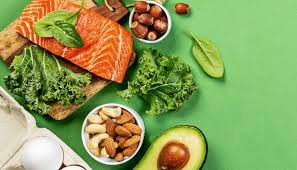
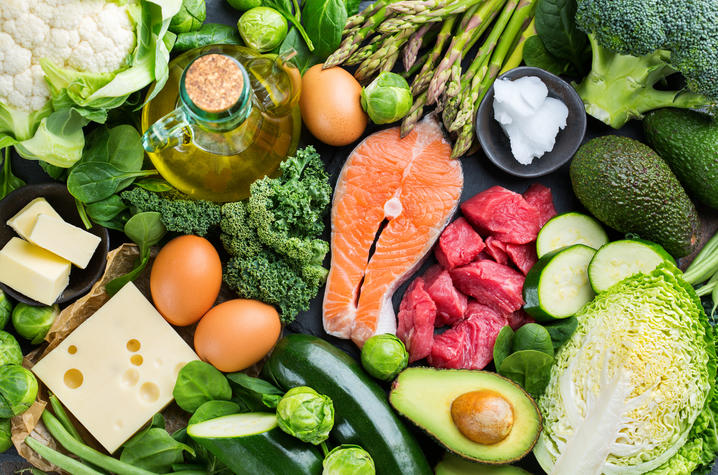
The ketogenic diet is a low-carb, high-fat diet protocol that can be used to treat a specific set of health problems, including not only chronic pain, but also diabetes, PCOS, addictions, cystitis, and much more. This diet aims to switch the body into a state of ketosis, whereby the cells start utilizing ketones – an energy source that comes from fats – instead of glucose as their main source of “fuel”. To achieve this, people following the ketogenic diet have to reduce their carbohydrate intake to between 20-50 grams per day, in addition to increasing fat intake and eating proteins in moderation. The other rules of a healthy diet (e.g. no processed foods, eat only high-quality, organic, grass-fed/free-range animal products, cook at home using whole ingredients, etc.) still apply to the ketogenic diet as well.The ketogenic diet is, in many ways, the opposite of the Anti-Inflammatory Diet, which is what makes it so fascinating as another dietary protocol for pain relief. While the Anti-Inflammatory Diet is heavily plant-based and emphasizes major carbohydrate sources like fresh fruits and whole grains, in addition to limiting certain fat sources, the ketogenic diet ultimately eliminates all but a few types of fruits, doesn’t permit any grains, and encourages healthy fat consumption, including of saturated fats like butter.
Meals for the day on the keto diet should include the approximate macronutrient proportions outlined below:
- 2.5-3.5 parts fat
- 1 part protein
- 0.3-0.5 parts carbohydrates
An example of a day on the ketogenic diet might look something like this:
- BREAKFAST - Omelette with mushrooms
- LUNCH - Vegetable soup with bone broth base
- SNACK - Chocolate Almond Butter “Fat bombs”
- DINNER and DESSERT - Chicken and veggie “stir fry” with cauliflower rice and chocolate avocado pudding
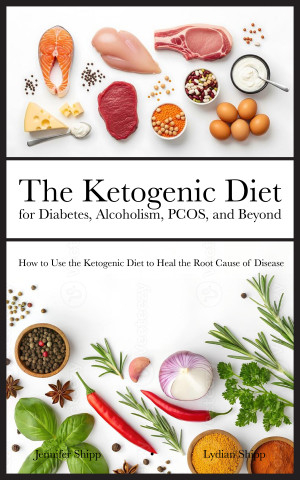
It’s important to note that one should count the net carbs of different foods, rather than the total carbs; some carbohydrates, such as fiber or sugar alcohols, aren’t absorbed by the body at all and thus don’t affect cellular energy usage. More detailed information about permitted/forbidden foods, recipes and meal options, supplements for the ketogenic diet, and what to expect while following this diet protocol can be found in our book, “The Ketogenic Diet for Diabetes, Alcoholism, PCOS, and Beyond”.
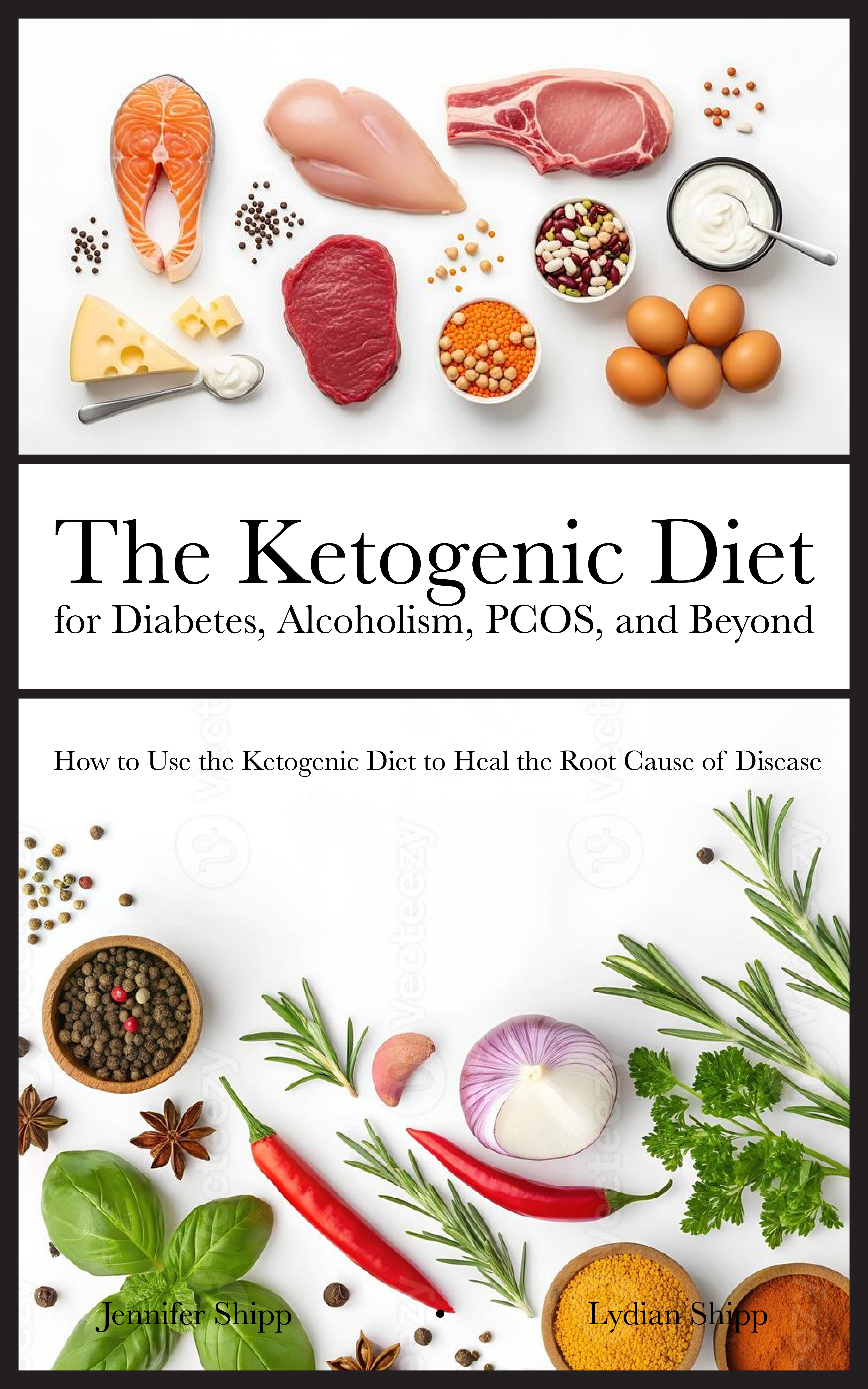 The Ketogenic Diet for Diabetes, Alcoholsim, PCOS, and Beyond - BUY HERE!!!
How the Ketogenic Diet Works to Treat Chronic Pain
The ketogenic diet switches the body into a state of ketosis, where the body uses ketones (fat-based “energy packets”) as its main source of fuel instead of glucose (a carbohydrate-based “energy packet”). The body usually uses ketones in small quantities, but relies primarily on glucose and carbohydrate intake in most cases; following a ketogenic diet switches this paradigm. When the body uses mostly ketones for fuel, these ketones act as signaling molecules and can uniquely modulate genetic expression in the body – specifically within the nervous system – in order to treat disease and relieve inflammation and pain.Ketones are also more efficient at producing ATP (a mitochondrial “energy packet”) than glucose, increase the number of mitochondria in cells, and have a particular affinity for providing energy to the brain. This may explain why the ketogenic diet has historically been used – with a cure rate of around 90% – to treat epilepsy. The ketogenic diet has also been used successfully to treat other major mental, emotional and neurological health problems. Indeed, it’s worth noting that many of the same pharmaceutical drugs prescribed for epilepsy in particular are also often prescribed to treat chronic pain, which suggests that these two conditions may have some base similarities in the nervous system.
The connection between epilepsy and pain is thought to lie partly in the excitatory (or inhibitory) behavior of the nervous system. A high-carbohydrate diet like the one that most people in the modern world eat is more likely to increase levels of the excitatory neurotransmitter, glutamate. Meanwhile, the ketogenic diet increases levels of inhibitory, relaxant GABA and simultaneously decreases excitatory glutamate levels. Excessive excitatory activity caused by high glutamate levels can lead not only to symptoms of epilepsy, but also those of chronic pain conditions, Parkinson’s disease, Alzheimer’s, schizophrenia, anxiety, OCD, and others.
Increased adenosine levels may also play a role in how the ketogenic diet can work to treat pain. Adenosine has long been recognized as an anti-inflammatory compound and is known to help reduce neuronal excitability (this links back to the above discussion above). Activation of allopurinol – a non-selective adenosine receptor – has also been linked to reduced nociceptive pain. Thus, while the keto diet is most often used to treat inflammatory pain, it may also act to treat nociceptive pain like that experienced in patients with rheumatism, musculoskeletal disorders, and pain related to current or previous injuries.
The use of ketones as a primary energy source has been shown to lead to the following positive effects in the body:
- Reduced oxidative stress / production of harmful free radicals
- Increased mitochondrial production and repairs
- Stabilized function of synapses in the nervous system
- Optimized neurotransmitter function
- Decreased inflammation (including neuroinflammation)
- Increased energy levels
- Inhibition of histone deacetylase (HDAC) – this leads to increased expression of neuroprotective and neuroplastic factors
- Increased adenosine levels (adenosine is a key component of the energy molecule ATP – adenosine triphosphate)
- Reduced levels of inflammatory cytokines (e.g. IL-6, TNF-alpha, MCP-1, E-selectin, I-CAM, and PAI-1)
- Lower levels of swelling and inflammation
- Increases GABA levels
- Decreases glutamate levels
Research on the Keto Diet for Pain Relief
According to one 12-week study on a group of 27 individuals suffering from chronic musculoskeletal pain; it’s worth noting that most of the participants were female, though males showed similar results. This study began with an adjustment period where study participants ate a "normal" healthy diet that was free from toxic ingredients but which included average levels of carbohydrates in order to establish if the keto diet did indeed offer more benefits than just a regular healthy diet alone.According to this study, following a ketogenic diet improved quality of life and significantly reduced pain, depression, anxiety, and inflammation levels in addition to promoting weight loss in individuals who were overweight. The positive effects of the keto diet were gradual, with pain levels decreasing slowly over the course of 12 weeks (some small spikes were noted as the pain levels went down, suggesting that pain may go up and down during the healing process). Researchers speculated that lower carbohydrate intake of closer to 20g per day or lower (rather than the upper limit of 50g per day) may have produced more significant pain reduction levels.
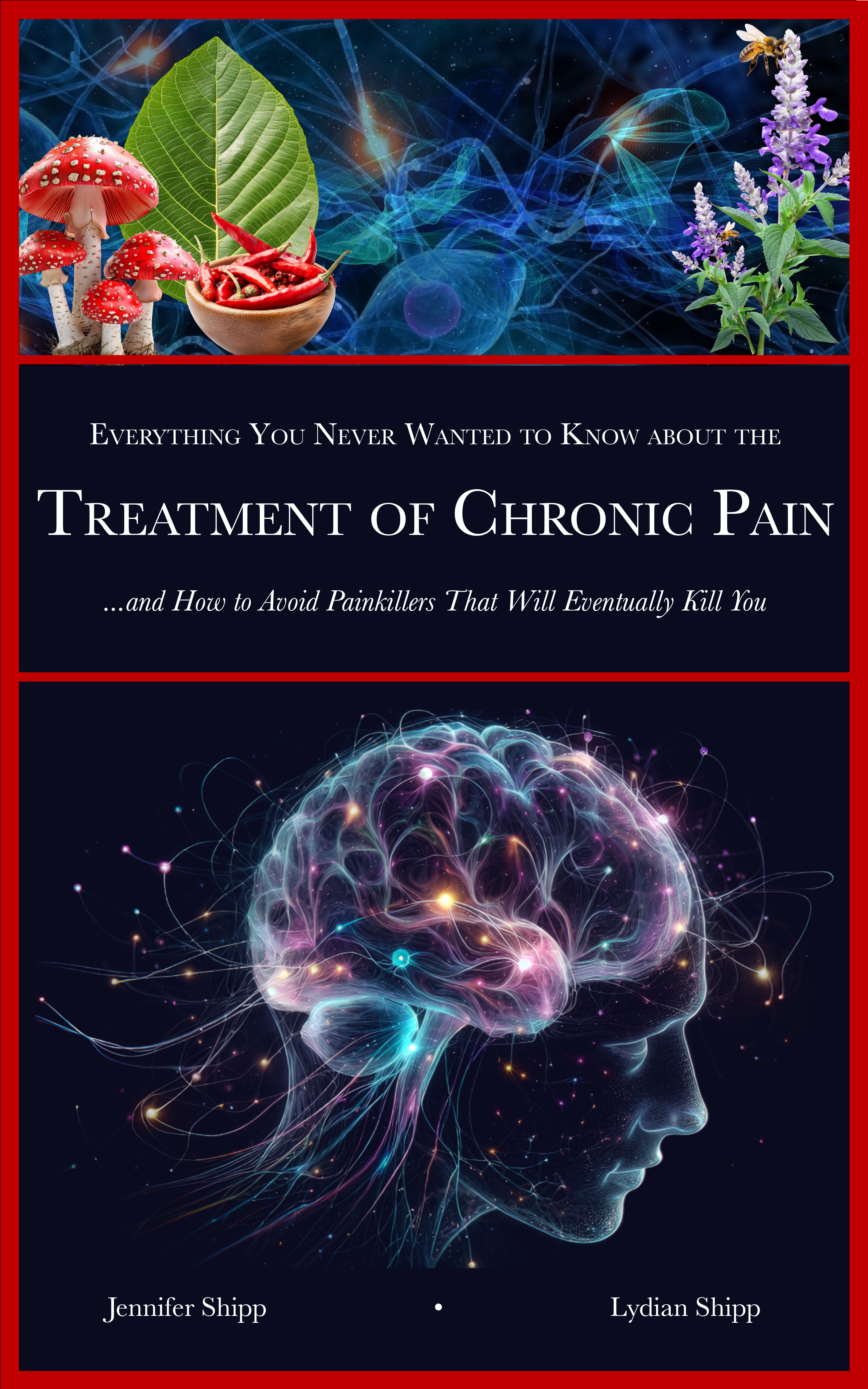 Everything You Never Wanted to Know About the Treatment of Chronic Pain... and How to Avoid Painkillers That Will Eventually Kill You - BUY HERE!!!
Resources:
• Field, Rowena, et. al. (2022). Effects of a Low-Carbohydrate Ketogenic Diet on Reported Pain, Blood Biomarkers and Quality of Life in Patients with Chronic Pain: A Pilot Randomized Clinical Trial. Retrieved September 17, 2025 from: https://academic.oup.com/painmedicine/article/23/2/326/6371964
• Wyss, Livia S. (2016). The Effects of the Ketogenic Diet (KD) on Inflammatory Pain. Retrieved September 17, 2025 from: chrome-extension://efaidnbmnnnibpcajpcglclefindmkaj/https://core.ac.uk/download/pdf/232744072.pdf