How to Detox: Alcoholism Withdrawal Treatments You Can Do Safely At Home
If you’ve suffered with an alcohol addiction for a long time or for just a short time, the goal of the supplements and herbal treatments is to address the physical aspects of alcohol addiction and support your body’s need for nutrients in order to heal. Withdrawal symptoms, however, will also include trauma as you bring your energy back into your body. As you begin to inhabit your own physical body again as a result of herbal treatment supplementation, you will also need to release trauma using either trauma-informed therapies that have been developed by practitioners in various fields or you’ll need to work with one or more of the sacred medicines in an intentional way.
The weekly or bi-weekly trauma-informed therapies that you do with practitioners should be viewed as an opportunity to be cared for by a team of people. If you have a rocky relationship with family members or if you’re in exile as a result of your addiction, these practitioners will occupy some of the energetic spaces as those family members from whom you might be estranged or in conflict. They’ll act as surrogates for family members who love you and who wish that they could have a healthy connection with you once you’ve overcome your addiction.
On the other hand, if you’re lucky enough to have one or more family members supporting your recovery, lean into this situation during the withdrawal and detox period and allow them to notice what you need, make suggestions, and encourage you to continue with trauma-informed therapies that will make your recovery go much more smoothly.
Trauma-informed therapies that many people with alcohol addiction use to release the negative emotional content that will inevitably arises during withdrawal and detox include:
- Craniosacral Therapy (up to 2 times weekly)
- Eye Movement Desensitization and Reprocessing / EMDR - (up to 2 times weekly with a practitioner guiding the session).
- Alpha-Theta Therapy - (up to 2 times weekly with a practitioner guiding the session)
- Brain entrainment therapy - (daily, if needed, to help with sleep or negative mood states)
- Guided meditation for addiction - (daily if needed to rewire the brain and its relationship with the object of addiction)
- Ayahuasca microdosing or macrodosing for alcohol addiction - (You can do Ayahuasca microdosing for 3 days on at 1/20th to 1/10th of a dose followed by 1 or 2 days off from microdosing. Macrodoses of Ayahuasca can be administered weekly, every other week, or monthly along with microdosing to restore pancreatic functioning and to release trauma the same time.)
Herbs, Supplements, and Strategies to Stop Drinking So Much
Below we’ll talk about strategies, herbs, and supplements to help make this process of alcohol withdrawal and detoxification go more smoothly. Keep a Stop-Drinking Journal as a part of your protocol to overcome alcohol addiction at home.
Keep an Alcohol Journal
As you get started on this alcohol detox at home, be sure to keep a journal to detail your progress daily. Your journal will help you keep track of your progress so that, when you feel discouraged, or if you have a relapse, you’ll be able to go back and see that there was still progress and the trajectory of that progress. Being able to reference your own personal experience and progress as a guide for trying again if a relapse happens can be extremely helpful.
Start your Stop-Drinking Journal by noting how much you’re currently drinking each day. Take 2-3 days and write down each drink that you consume and the time of day when you consume it. Be honest with yourself. No one needs to see this journal except you. Also note how many units of alcohol your drinks contain. The units of alcohol are usually printed somewhere on the bottle.
As you begin to stop drinking (either cold-turkey or through a calibrated reduction in the amount that you drink daily), you may notice that there are certain times of the day that are more challenging for you.
Insulin Resistance and Alcoholism
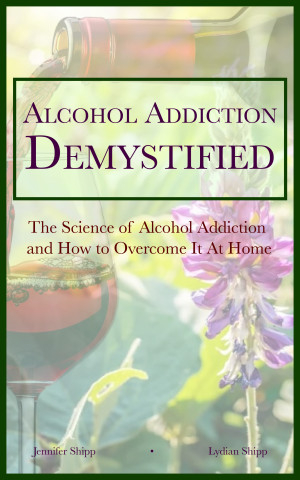
Before you get started, click here to read this article about the relationship between insulin resistance and alcoholism. Understanding the relationship between blood sugar levels and insulin resistance and alcohol cravings, you’ll be better equipped to find other ways to satisfy a craving for alcohol. Many people are empowered by this information about insulin resistance and alcohol addiction. Each drink of alcohol is essentially an effort that you’re making to self-medicate against symptoms of insulin resistance. If your doctor has prescribed a medication to treat something like insulin resistance, you’ll want to keep track of how much medicine you were taking before attempting to stop drinking permanently. You may need less of this medicine or you may be able to stop taking this medication from your doctor after your body gets used to the herbs and supplements that we describe below.
Take Herbs to Reduce Alcohol Intake Easily
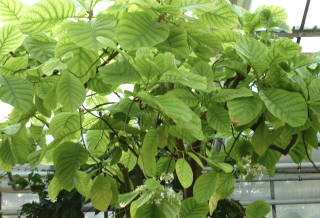
Once you’ve spent a few days developing an awareness of your drinking patterns and consumption levels, recording these observations in a journal, it’s time to start reducing your alcohol intake. The first step in this process involves an herb known as Kudzu / Pueraria lobata. This herb is scientifically proven to reduce alcohol consumption easily by 20-30%, even if a person isn’t really trying to stop drinking. Begin taking Pueraria lobata / Kudzu and the supplements that follow even before you stop drinking.- Take 2000 mg of Pueraria lobata at least an hour or two before you would normally have a drink. Take it 2 hours before the times of day when you are challenged by alcohol cravings. Administer Pueraria lobata at a dose of 2000-2500 mg up to 4 times per day.
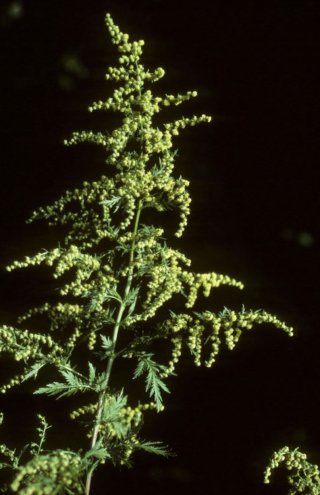
- Take 2400 mg of Momordica charantia / bitter melon twice daily to begin healing the liver.
- Begin taking a vitamin B100 complex vitamin daily.
- Also begin taking niacin / vitamin B3 at a dose of 400 mg daily (in addition to the vitamin B100 complex which also contains vitamin B3). Begin by administering 100 mg of niacin in drinking water every 3-4 hours to prevent a “niacin flush”. Eventually, your body will get used to the niacin and you’ll be able to take the entire 400 mg dose in the morning with the vitamin B100 complex.
- Administer niacinamide, another form of vitamin B3 that does not cause a “niacin flush”, at a dose of 125 mg 4 times daily.
- Administer L-tryptophan at a dose of 1000-3000 mg daily about 2 hours before you normally have a drink to improve sleep and to contribute to the vitamin B3 availability in your body. L-tryptophan will also reduce cravings and the severity of cognitive impairment that you experience.
- Administer 10 mg / 10,000 mcg of biotin 3 times daily.
- Administer thiamine / vitamin B1 at a dose of 200 mg 3 times daily in addition to the thiamine in your vitamin B100 complex.
- Administer NAD+ as a nasal spray twice daily.
- Take a high-quality multi-vitamin once daily.
Click here to buy a vitamin B100 complex supplement.
Often, alcoholics are deficient in certain nutrients like iodine or amino acids that worsen insulin resistance. When insulin resistance and nutrient deficiencies are both present, people experience extreme cravings including cravings for alcohol. Properly nourishing the body will help you reduce cravings for alcohol naturally while simultaneously supporting a natural at home alcohol detox.- In the early stages, when you are beginning to stop drinking, begin taking Lugol’´s iodine 2% at a dose of 1 drop daily on your skin.
- Administer magnesium malate at a dose of 1000 mg per day.
- Take a high-dose essential amino acids supplement. Take 12 capsules of the supplement that we link to here daily.
Change to a Diet for Alcohol Addiction
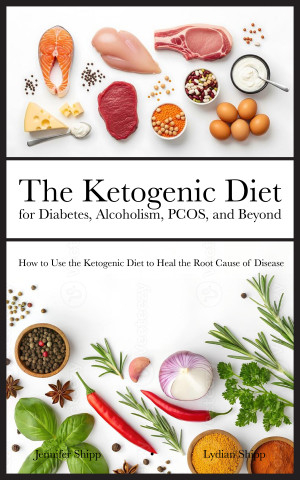
The ketogenic diet is one of the diets that has been most successful at helping people reduce alcohol intake naturally during alcohol detox at home. This diet takes some getting used to, but you won’t necessarily have to follow it forever. It is, however, one of the best alcohol recovery diets, so we highly recommend going keto if you’re wishing to reduce alcohol cravings and withdrawals and cut back on alcohol step-by-step without cravings.Order the nutrients that we talk about at this link and gather some supplies to do the ketogenic diet at the same time. Keep taking your kudzu and bitter melon as well as B vitamins, amino acids, and other nutrients and note the changes in your drinking habits in your journal.
Ideally, you should be able to cut back on how much you’re drinking by about 10% every four days if you slowly stepping back. However, if you begin to have withdrawal symptoms, cut back at a slower rate (maybe 5%) instead. Once you get down to where you’re drinking less than 10 units of alcohol per day, you can stop drinking altogether without any danger of having negative symptoms from withdrawals and detox.
Click here to buy L-Tryptophan.
Tips and Tricks to Help You Cut Back on Alcohol Consumption More Easily
- Switch to lower-strength drinks.
- Add a mixer or water to your drinks to dilute them.
- Drink one non-alcoholic drink for every alcoholic drink that you have.
- Go to a boutique IV therapy clinic if you live in a big city and get NAD+ drips for 4 to 10 days until you’ve successfully stopped drinking.
- Drink twice daily doses of molecular hydrogen water.
- Take 3 daily doses of 1000 mg of N-Acetyl-Cysteine / NAC daily (3000 mg total).
- Take trace minerals in the form of Himalayan sea salt. Get rid of your regular table salt and instead use Himalayan sea salt in your diet.
- Take Shilajit as another powerful trace mineral supplement to recharge your cells.
Click here to buy shilajit.
- Avoid coffee, refined sugars, and other addictive substances that can set off alcohol cravings via the dopaminergic system.
- Drink plenty of water and stay hydrated so that you don’t feel tempted to drink alcohol due to thirst. Note that coffee enemas can help keep the body hydrated while also healing the liver by removing toxins more efficiently from the body.
- Click here for a list of nutritional supplements for alcoholism that will nourish the cells of your body in a way to reduce alcohol cravings naturally and significantly reduce the risk that you’ll experience an emergency situation as you detox from alcohol at home.
- If you do not have a family member or a friend to support you as you go through withdrawals and detox, seek out an addiction recovery coach online to talk with you regularly and guide you through the process of alcohol detoxification at home.
- Take high-dose melatonin to sleep better during detox and withdrawal from alcohol.
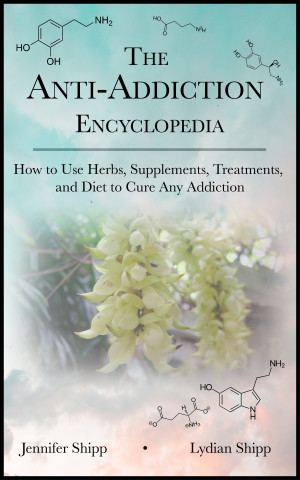
Click here to buy The Anti-Addiction Encyclopedia.
Set up a shelf or a table in your home for your supplements in a place where you will see them every morning right away. In other words, put your supplements in your own way so that you remember to take them. You might organize the pills into a pill organizer, but put the pill organizer in a place where you’ll see it at the beginning of the day before you might have a chance to even think about drinking.
Keep yourself busy with trauma-informed therapies and IV therapies (if IV therapies are available in your area) for the first 30 days of detox and withdrawals. Schedule your week for yourself in advance with daily activities to keep your mind off drinking.
Finally, get plenty of sleep. Take high-dose melatonin to promote better, more restorative sleep that will significantly improve your daytime mood during the alcohol withdrawal and detoxification process.
Resources:
• Baj, J. et al. (2022). Magnesium, Calcium, Potassium, Sodium, Phosphorus, Selenium, Zinc, and Chromium Levels in Alcohol Use Disorder: A Review. Retrieved February 2, 2024 from https://www.ncbi.nlm.nih.gov/pmc/articles/PMC7357092/
• Adzavon, Y. M. et al. (2022). Long term and daily use of molecular hydrogen induces reprogramming of liver metabolism in rats by modulating NADP/NADPH redox pathways. Retrieved February 2, 2024 from https://www.nature.com/articles/s41598-022-07710-6
• Lawn, W. et al. (2017). Well-being, problematic alcohol consumption and acute subjective drug effects in past-year ayahuasca users: a large, international, self-selecting online survey. Retrieved February 2, 2025 from https://www.nature.com/articles/s41598-017-14700-6
• Rootman, J. M. et al. (2021). Adults who microdose psychedelics report health related motivations and lower levels of anxiety and depression compared to non-microdosers. Retrieved February 2, 2025 from https://www.nature.com/articles/s41598-021-01811-4
• Lu, K. H. et al. (2014). Wild bitter gourd protects against alcoholic fatty liver in mice by attenuating oxidative stress and inflammatory responses. Retrieved June 10, 2025 from https://pubmed.ncbi.nlm.nih.gov/24664243/