How the Liver, Gallbladder, and Pancreas Are Involved in Alcohol Addiction
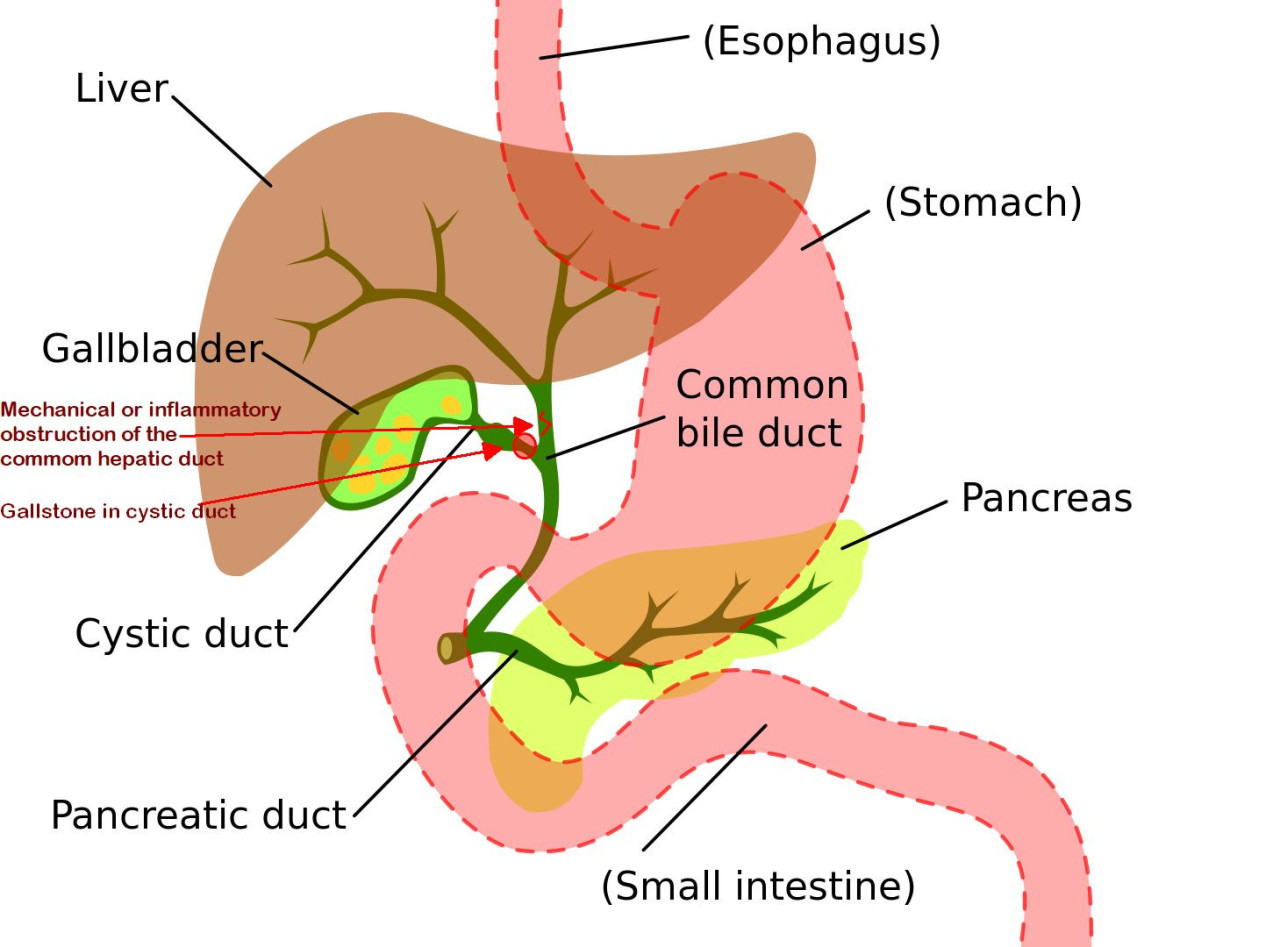
The liver and pancreas are both involved in alcohol addiction. The liver is one of the organs that is most famously damaged as a result of high levels of alcohol consumption, but when the liver gets damaged or overloaded with toxins, it produces “bile stones” or “bile sludge” that, in turn, clogs the common bile duct that is used by the gallbladder and pancreas as a conduit for the release of enzymes and bile into the small intestine. So while a person may initially begin drinking to try to overcome insulin resistance (which is a problem that may have originated in the pancreas, in fact), if they continue drinking, it will damage the liver and also the gallbladder via the common bile duct that all of these organs share.
A lack of a normal number of functional beta cells in the pancreas are implicated as one of the causes of diabetes that may ultimately lead to alcoholism. Damage to the pancreatic beta cells does not cause the cells of the body to become insulin resistant, but rather, when beta cells are damaged or killed, insulin is not produced in sufficient amounts. The symptoms of insulin resistance and a lack of proper insulin levels in the body are similar and in fact, most people who have insulin resistance also have poorly functioning beta cells.
Click here to schedule a health coaching session with us.
What causes this problem of having too few beta cells functioning in the pancreas?
Often, people with insulin resistance or a lack of proper numbers of beta cells to produce insulin have liver congestion. In 90% of individuals, the liver and the pancreas are directly connected to each other via the common bile duct through which both bile and pancreatic juices flow on their way to the small intestine. The gallbladder also dumps bile into the common bile duct and it also dumps bile into the small intestine via this duct. This is an important fact to consider because gallstones that are produced in either the gallbladder or the liver can get stuck in this common duct that also connects to the pancreas to the liver and the gallbladder in the majority of people. If this occurs, the pancreatic enzymes that are deposited into the common bile duct and which move toward the connecting points with the liver and gallbladder on the way to the small intestine can get activated when they come into contact with the bile and then they can back up into the pancreas. When activated enzymes that back up into the pancreas they can digest the beta cells that produce insulin and damage the pancreas in a general way. Thus, the mere presence of gallstones, bile sludge, or bile stones from the liver in the common bile duct can lead to serious health issues including insulin resistance (which can, in turn lead to alcohol addiction), obesity, and diabetes.
Okay, so let’s back up and explain this again in another way.
Let’s think of the “common bile duct” like it’s a PVC pipe used to plumb a house. The common bile duct would be like a pipe that leads to the sewer, but there are 3 other segments of pipe that branch off from this main pipe leading to the sewer. There’s one segment of pipe that comes from the toilet (the liver), another segment of pipe that comes from the bathtub (the gallbladder), and yet another that comes from the kitchen sink (the pancreas). The liver is the main detoxifying organ in the body so let’s pretend that the liver is the “toilet” in this analogy. The segment of pipe from the toilet / liver dumps into the sewer near or right next to the segment of pipe from the bathtub drain (the gallbladder). The dirty water from both the toilet and the bathtub dump into the common bile duct “pipe” which then travels down to the intersection where the kitchen sink / pancreas dumps its enzymes into the small intestine. Where the common bile duct and the pancreatic duct meet right before the small intestine is called the Ampulla of Vater. This is where a bile stone or gallstone from the liver or gallbladder gets lodged to cause pancreatic enzymes to backup into the kitchen sink. Even bile “sludge” from the liver or gallbladder can cause pancreatic enzymes to get backed up and begin flowing backward into the pancreas.
Click here to subscribe to the DreamLight.app, a brain entrainment, guided meditation tool to reduce stress and overcome trauma.
The Pancreas in Alcohol Addiction
In Traditional Chinese Medicine / TCM, the pancreas is the organ that manages emotional content related to trust or distrust. As such, we view the pancreas as the primary organ involved in the initial, physical response to a trauma of any kind. If the pancreas goes into a state of distrust as a result of an emotional or biological trauma, the entire body is impacted in a negative way.The pancreas is the main organ of digestion and assimilation. The pancreas produces enzymes to break food down into component parts, nutrients, that can be absorbed into the bloodstream in the small intestine. In the bloodstream, insulin, another essential hormone produced by the pancreas, attached to nutrients like glucose, amino acids, and fatty acids, to take them into cells. In other words, in the holographic sense of our human existence, the pancreas plays a role in the macrocosmic digestion of nutrients and their assimilation into the bloodstream, but it also plays a role in the microcosmic assimilation of nutrients by our cells. When the pancreas is damaged in some way, our bodies and our cells becomes closed-off to nourishment.
In TCM, the pancreas is viewed as the organ that deals with trust and distrust for this reason. Pancreatic enzymes and insulin both produce a condition of assimilation where our bodies are able to take in and absorb things from the external environment. When a person experiences a trauma, however, the body’s willingness to assimilate and trust in what comes in from the external environment is compromised. At the cellular level, cells may even develop a distrust of the body and the mind – a self-distrust – in extreme situations involving trauma that is emotional or biological.
So before we discuss the physiology, it’s helpful to understand how the pancreas operates in our bodies as an organ of emotion in terms of trauma. The pancreas is a focal point for healing when a person works with a plant medicine like Ayahuasca that can cure alcohol addiction naturally. The pancreas stores trauma and healing the pancreas is metaphorically and energetically related to the release and integration of trauma.
Click here to do a free trial of EMDR online.
The pancreas is an interesting organ in that inside the pancreas there are endocrine cells, the acinar cells, that produce pancreatic enzymes alongside the beta cells that produce insulin. The endocrine cells release hormones like insulin directly into the bloodstream. On the other hand though, the exocrine cells release pancreatic enzymes into the duct that leads to the small intestine. The pancreatic enzymes, once released into the ductwork leading to the small intestine should not flow backward into the pancreas. A backflow of activated pancreatic enzymes leads to the digestion and breakdown of beta cells that produce insulin as well as the enzyme-producing acinar cells. This is why a congested liver can lead to insulin resistance, alcoholism, or diabetes.When the pancreas is damaged, our cells may go into a dormant state because insulin is not released in the proper quantities. Dormancy of the cells is adaptive if nutrients are not available to fuel them properly. Insulin resistance can also occur if there’s too much insulin and blood sugar levels get too low as a result of cells taking in too much sugar. It can also occur if blood sugar levels get too high. So there are a number of physiological conditions that cause a cellular response in the body that might lead a person to self-medicate with alcohol consumption.
Of course, if activated pancreatic enzymes back up into the pancreas, pancreatic enzyme-producing cells, the acinar cells, can also get damaged and this can seriously impair digestion. A lack of pancreatic enzymes as a result of damaged acinar cells will make it hard for the body to digest and absorb nutrients. When digestion is impaired, cells become even more severely deprived of nutrients which worsens the overall symptom picture for a person with an alcohol addiction.
In summary, when the pancreas is damaged in some way, our bodies will stop being able to digest and absorb nutrients macrocosmically. At the same time, if both the acinar and the beta cells in the pancreas are damaged, microcosmically, at the cellular level, cells may go into a dormant state because they can’t receive nutrients via the role of insulin in the body. The inability to receive nourishment from an external source is energetically synonymous with an inability to receive love on an emotional level and healing from a Divine source. Healing the pancreas is key to healing alcoholism not only on a physiological level, but also on an energetic and emotional level.
Click here to subscribe to the Living Database!
The Liver in Alcohol Addiction
In TCM, the liver is the organ that stores anger. Physiologically, the liver is arguably one of the most important organs of detoxification. Every medicine and every toxin that enters our body must be processed by the liver. The liver produces glutathione, one of the most important detoxifying agents in the body that has the ability to bind with toxic substances in the blood in order to remove them from the body without harming cells in other areas of the body. The liver also produces bile, a substance that behaves in the intestines like a detergent that produces “suds” like a soap, binding with toxins that have entered our bodies via the digestive system to remove them before they can be absorbed.
As an organ, the liver is the vanguard in our physiology that sits right next to the pancreas to protect us from toxins that come into our bodies from the external world. The liver is heroic in its attempts to remove toxins from the body, but if it gets overloaded with emotional or biological or even ancestral toxins, the liver may get congested with bile sludge or bile stones. The liver and gallbladder, in fact, regulate reproductive hormone levels via bile constituency. Bile is made, in part, of cholesterol, the precursor nutrient for the production of hormones like progesterone, testosterone, and estrogen.
Testosterone, for example, is a hormone that can, when out of balance, lead to states of that explosive, irrational anger. A woman with Polycystic Ovarian Syndrome (PCOS), for example, may have high testosterone levels, mood swings, and menstrual issues that are ultimately rooted in liver toxicities or, according to TCM, traumatic experiences involving anger and a sense of injustice.
When we think about the liver in alcoholism, it can be helpful to understand the liver as the organ that deals with and stores anger and injustice. We would seek to heal and detoxify the liver in alcohol addiction in order to process trauma that caused us to experience powerful states of anger and defensiveness. When we heal and detoxify the liver on a physical level, we create an optimized condition for healing and detoxifying the liver on an emotional level as well.
Essentially, anger overload and liver congestion or liver toxicity might be viewed as synonymous conditions. Detoxifying the liver can help us detoxify our emotional body as well such that we can view situations that would normally provoke anger and instead experience other, different emotional responses.
Cirrhosis of the liver involves a fibrotic buildup of liver tissues as a result of chronic liver toxicity, but it’s important to mention here that liver cirrhosis is, in fact, reversible. The liver is an organ that was designed to regenerate itself in powerful ways. Thus, if you know that you or a loved one has liver cirrhosis, you can heal the cirrhosis with at-home treatments as a part of an at-home alcohol addiction protocol.
The liver can become congested as a result of insulin resistance and high blood sugar, but it is also true that the pancreas can be damaged by liver congestion. So there’s a chicken-or-the-egg problem in terms of whether liver congestion led to the pancreatic beta cell destruction or vice versa. But it isn’t necessary to know which organ started the vicious cycle that led to insulin resistance, cellular dormancy and alcohol addiction. What matters is how to heal the liver and the pancreas as the alcoholic works through detox, withdrawals, and recovery. Indeed, there are powerful methods that have been developed by doctors since the early 1900s to heal the pancreas, the gallbladder, and the liver at home.
The Gallbladder and Alcoholism
Alcohol consumption can negatively affect the gallbladder via its impact on the liver, the pancreas, and the digestive system. In TCM, the gallbladder is the organ of curiosity or lack of interest so when the gallbladder is negatively impacted, we lose the ability to be curious about opportunities that present themselves to us as ways to overcome whatever troubles us.A lot of people in the western, industrialized world have had their gallbladders removed. If you or your loved one has had their gallbladder removed, note that when we speak of the gallbladder as a TCM organ, we’re talking about the area of the body where the gallbladder was once located. This area of the body connects to the meridian system in the same way as a functional gallbladder, though people who have had their gallbladder’s removed may experience certain psychological aspects of alcoholism and recovery differently than someone who still has their gallbladder. Acupuncture and TCM treatments can be valuable for alcohol addiction to rebalance the gallbladder meridian in cases where the patient has had their gallbladder removed.
The gallbladder normally functions, in a healthy person, to store bile that the liver produces so that bile can be continuously and rhythmically released into the small intestine. Whenever the gallbladder squirts a bit of bile into the small intestines, the small intestines move in a peristaltic action. The peristalsis of the small intestine keeps partially digested food moving through the body such that nutrients from the food can be absorbed and toxins can be released via the rectum.
With chronic, high-dose alcohol consumption, the liver’s functioning is compromised and bile production is altered. When bile production is altered in some way, cholesterol use in the body is also altered such that gallstones may begin to form in the gallbladder. We view the gallbladder as an organ of ancestral trauma that stores the “bones” of familial / ancestral trauma. These “bones” or gallstones are made up of different substances depending on the constituency of the person with the stones, but each stone is made up of layers, much like the rings of a tree. Each of the rings of a tree, of course, are an historical record of traumas and challenges confronted by a tree in any given year. In humans, the rings of a gallstone are similar in that they represent challenges, stressors, or traumas that we’ve confronted that have created an imbalance in our lives. Gallstones and subsequent gallbladder inflammation and irritation, leads to digestive system issues that impact how we experience our emotions on a physical level.
Gallbladder issues can lead to biliary dyskinesias or issues that involve the contraction or obstruction of bile ducts in the gallbladder or liver. Dyskinesias in the biliary tree can cause pain, severe headaches, low mood, infection, and a general feeling of ill health.
The gallbladder, the liver, and the pancreas function together as we discussed above, so if your liver or your pancreas is sick, then your gallbladder is also suffering. For this reason, we recommend specific gallbladder-healing cleanses for those who are struggling with alcohol addiction to clear and detoxify the gallbladder. Gallbladder cleanses like the Hulda Clark gallbladder cleanse plays a role in the patient’s ability to become curious and open to new opportunities in terms of healing. There are many ways to improve gallbladder health using supplements and herbs that naturally prevent and dissolve gallstones and bile sludge.
Click here to buy L-Carnitine.
How to Reverse Fatty Liver Disease
The liver is an organ that is famous for its ability to regrow and regenerate itself. This organ functions to detoxify the body, balance reproductive hormone levels, and help digest food among other things. The liver also stores glycogen, a source of fuel for our cells.Click here to buy a Molecular Hydrogen Generator.
To reverse fatty liver disease naturally, you need to provide support for the liver as an organ that works hard in the body. Below are supplements that support liver function to overcome fatty liver disease:- Ox Bile -
- Ox Bile supports the liver in part by helping provide the digestive enzymes (bile) to digest fat soluble vitamins (vitamin A, D, E, K1, and K2 and the omega fatty acids). Without proper levels of bile, there's a vicious cycle that happens where vitamins A, D, E, K1, and K2 are deficient which in turn makes it impossible for the liver to heal. People who are deficient in bile may even take fat soluble vitamins and have them pass completely undigested through their system (to show up entirely intact in the toilet several hours later). Ox bile taken with meals will help your boy digest your food properly so that it can be absorbed an use to rebuild the liver and other organs. Administer 250 mg at every meal.
- Cod Liver Oil Supplement -
- Cod liver oil contains all of the essential fat soluble vitamins including the omega fatty acids. Take this supplement at mealtimes at a dose of 1 teaspoon twice daily along with your ox bile supplement to reverse alcoholic fatty liver disease naturally .
- N-Acetyl-Cysteine / NAC -
- NAC is a glutathione precursor that detoxifies the whole body and the liver specifically. Take 600 mg up to 5 times per day (about every 3 hours). Not only does it detox the liver during alcoholism recovery, but it also detoxifies the brain to relieve the problem of nagging, repetitive thoughts during detox.
- L-Carnitine -
- L-Carnitine is an amino acid that protects the liver and improves the amount of naturally circulating liver enzymes. Take 1000 mg daily to treat alcoholic fatty liver disease naturally.
- Molecular Hydrogen Therapy -
- Molecular hydrogen therapy is one of the most powerful yet gentlest ways to heal alcoholic fatty liver disease naturally. Hydrogen gas can be administered as drinking water or it can be inhaled through the nose. Administration of high concentration molecular hydrogen water twice daily modulates liver reduction-oxidation reactions to prevent damage to liver cells while also modulating inflammation and immune system function. Molecular hydrogen is a liver-healing "hack" for alcoholic fatty liver disease. It's extremely gentle, but very powerful. Drink two doses of high concentration molecular hydrogen water daily (be religious about it) for at least one year to really see the effects.
Click here to buy Cod Liver Oil.
How to Get Rid of Gallstones without Surgery
If you get rid of gallstones without surgery using the natural treatments below, your liver and gallbladder will be able to release toxins naturally. This will, in turn, facilitate healing of the liver and gallbladder to cure alcoholic fatty liver disease naturally. Combine these liver detox treatments for alcoholic fatty liver disease with the nutrients and treatments listed above to create a healing protocol. Get rid of gallstones and bile stones without surgery with the following at home treatments:- Hulda Clark Gallbladder and Liver Cleanse
- Do this cleanse once weekly for 4 weeks an then do the cleanse once a month thereafter.
- Coffee Enemas -
- Use 1 liter of coffee at body temperature up to 3 times daily.
How to Regrow Beta Cells in the Pancreas
Doctors often tell patients that its impossible to regrow beta cells in the pancreas, but this isn’t true. It’s true that there are no treatments in conventional medicine to regrow beta cells, but in the natural world, there are a number of herbs that regrow the beta cells including:- Ayahuasca
- Click here to read more about how the harmine in Ayahuasca can regrow pancreatic beta cells naturally. Contact us at info@alivenhealthy.com to learn about doing Ayahuasca ceremonies and microdosing in Mexico.
- Melissa officinalis / Lemon Balm
- Melissa officinalis is not as strong as Ayahuasca in terms of its ability to regrow beta cells in the pancreas, but it has still been scientifically proven as a way to restore normal functioning of the beta cells over time. Click here to read more about how Melissa officinalis can be used as an herbal remedy for insulin resistance and diabetes.
Click here to buy The Anti-Addiction Encyclopedia.
Resources:
• Hedges, D. M. et al. (2020). Spontaneous Formation of Melanin from Dopamine in the Presence of Iron. Retrieved February 5, 2024 from https://www.ncbi.nlm.nih.gov/pmc/articles/PMC7766172/
• Zhang, Y. et al. (2021). Hydrogen gas alleviates acute alcohol-induced liver injury by inhibiting JNK activation. Retrieved February 6, 2024 from https://www.spandidos-publications.com/10.3892/etm.2021.9884
• ScienceDaily (2021). Insulin in the brain influences dopamine levels. Retrieved February 5, 2024 from https://www.sciencedaily.com/releases/2021/11/211118203800.htm
• ScienceDaily (2022). Diabetes: Dopamine regulates insulin secretion through a complex of receptors. Retrieved February 5, 2024 from https://www.sciencedaily.com/releases/2022/06/220622101340.htm
• Underland, L. J. et al. (2018). The impact of Dopamine on Insulin Secretion in Healthy Controls. Retrieved February 5, 2024 from https://www.ncbi.nlm.nih.gov/pmc/articles/PMC5930523/
• Askarpour, M. et al. (2020). Effect of L-Carnitine Supplementation on Liver Enzymes: A Systematic Review and Meta-analysis of Randomized Controlled Trials. Retrieved February 6, 2024 from https://pubmed.ncbi.nlm.nih.gov/32113058/
• Schrieks, I. C. et al. (2015). The Effect of Alcohol Consumption on Insulin Sensitivity and Glycemic Status: A Systemic Review and Meta-analysis of Intervention Studies. Retrieved February 5, 2024 from https://diabetesjournals.org/care/article/38/4/723/37573/The-Effect-of-Alcohol-Consumption-on-Insulin
• American Diabetes Association (1995-2024). Alcohol and Diabetes. Retrieved February 6, 2024 from https://diabetes.org/health-wellness/alcohol-and-diabetes
• Wandler, K. (2025). How Alcohol Affects the Gallbladder: Gallstones, Pain, & More. Retrieved June 10, 2025 from https://www.recoverysalem.com/alcohol-addiction/gallbladder-and-alcohol/#:~:text=Irritation%20of%20the%20Biliary%20Tract,on%20effect%20on%20the%20gallbladder.