What You Need to Know about Organophosphate Exposure via Bisphosphonate Medications
At first glance, our bones and our brains seem to have little in common. Some people might be familiar with the idea that dental problems can impact brain functioning, but the bone-brain connection is much more interesting than just the idea that a dental infection or mercury fillings can be damaging the brain.In fact, this topic about bones and the brain is so convoluted and interesting that we have to abbreviate it considerably in this chapter. That which builds the brain can also build healthy bones, namely Brain Derived Neurotrophic Factor (BDNF). BDNF is most famous for its ability to forge new neural pathways in the brain to help release looping, nagging thoughts that can cause depression, anxiety, or more serious mental health issues like psychosis or schizophrenia. Looping, nagging thoughts are generally set in motion by trauma or ongoing stressors and they represent and underlying, unresolved conflict between the brain and the body. In order to overcome looping thoughts that go around and around, BDNF creates new pathways that our thoughts can take, making us more flexible and more creative in our thinking.
Click here to schedule a health coaching session with us.
Recently, we uncovered some research showing that Pueraria lobata and Pueraria mirifica are two plant medicines that can be helpful in treating both osteoporosis and dementia. These herbs are also used as an adjunct therapy for diabetes and mood disorders. Pueraria mirifica is particularly beneficial for women because of its phytoestrogen content. Pueraria lobata / kudzu functions through several mechanisms of action to treat osteoporosis and dementia at the same time. In addition to its ability to protect neurons, Pueraria lobata is also a powerful antidiabetic medicine. Indeed, it is used to heal neuropathic pain in diabetics. Research showing that Pueraria lobata can heal both osteoporosis and dementia suggests that its blood-sugar regulating effects that ultimately help to heal neuropathy can impact the underlying structure, the bones, as well as the brain.Please click here to read about plant medicines that are being studied for the treatment of dementia and osteoporosis.
Pay special attention to Trifolium pratense / Red Clover and the Pueraria plants as these are also some of the most powerful anti-cancer herbs on the planet and they can help restore bone density as well in those with osteoporosis. These plants are estrogenic which means that they can help us restore health to the interior of our cells (this is true for both men and women).
In the scientific literature, there’s a link between dementia and osteoporosis via Brain Derived Neurotrophic Factor (BDNF). This link has been described in studies into a natural substance known as 7,8-dihydroxyflavone. This substance has been studied in depth for its ability to regrow brain cells in patients with dementia via its BDNF-promoting function. Interestingly, 7,8-dihydroxyflavone, a substance found in some plants, essentially mimics the effects of BDNF. But scientists were surprised to find that 7,8-dihydroxyflavone is also able to improve bone health because BDNF plays a role in producing strong bones too. This is thought-provoking information in terms of the sacred medicines like Ayahuasca, Iboga, or psilocybin mushrooms that promote natural BDNF release in the brain to treat underlying trauma that is causing mental health issues. If we think about dementia as a mental health issue that’s similar to psychosis, dissociative identity disorder / multiple personality disorder, bipolar disorder, and any number of other diagnoses that we would normally apply to younger people (as opposed to dementia-diagnoses that are applied primarily to older individuals), and assume that there is a right-brain / body to left-brain / mind conflict that’s ultimately causing symptoms, this is a much more hopeful train of thinking that could lead to actual ways to cure dementia. 7,8-dihydroxyflavone is available as a supplement that you can purchase online.
Click here to buy 7,8 dihydroxyflavone.
Osteoporosis and Dementia Links
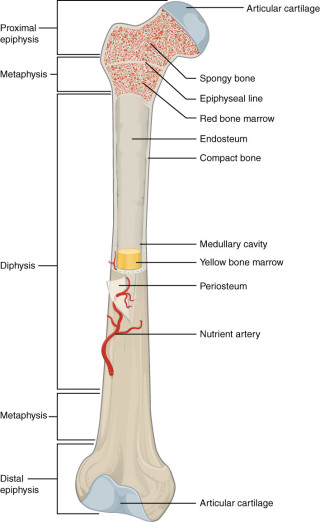
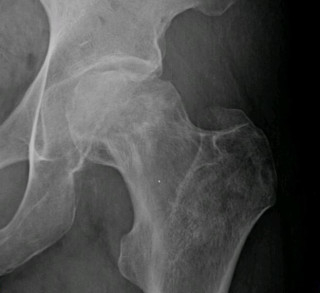
Osteoporosis, particularly post-menopausal osteoporosis, is conventionally treated with bisphosphonates, which are organophosphates that have been renamed so as not to alert patients to their inherent toxicity. Organophosphates are well-known for their ability to cause dementia and memory loss as well as Parkinson’s Disease symptoms (muscle tremors), but they are less famous for causing Intermediate Syndrome, a condition that mimics Myasthenia Gravis. The word “bisphosphonate” was certainly created/named in order to obscure the relationship between organophosphate poisoning and Myasthenia Gravis in patients who don’t recognize their symptoms as such.Organophosphates are used by Big Ag as an insecticide that targets an insect’s nervous system. As it turns out, insects have a nervous system that’s very similar to the human nervous system. As such, insecticides that target insect nervous systems, such as organophosphates, generally target the human nervous system as well. Indeed, the dense, hard and healthy crystalline structure of our bones is made up of calcium and inorganic phosphates, but organophosphates (organic phosphates) can disrupt the crystalline structure and be stored in bones until such time that their release is triggered. In the bones, organophosphates produce hard, but inflexible tissues that are prone to producing major fractures (though organophosphate-disrupted bones look convincingly “dense” and healthy on an x-ray). Once the organophosphates are released from the bones into the nervous system though, they can produce dementia symptoms and other neurological resembling, among other things, Myasthenia Gravis.
Organophosphates have a broad spectrum of action on the human body. They build up in the body over time, which is why Big Pharma decided to make them into drugs (bisphosphonates). Organophosphates, after all, are fairly well-known not just as insecticides, but also as nerve agents in humans that can be deadly at high-doses via their impact on the nervous system. Indeed, their impact on the nervous system of insects is their claim to fame. The fact that they also happen to impact the human nervous system doesn’t really matter as long as these chemicals sell and make a lot of money for Big Ag (which is an off-shoot of Big Food and Big Pharma).
Click here to buy the book, How to Heal Your Mouth, Teeth, and Jaw: Reclaim Dental and Orthodontic Health At Home for Kids and Adults
Organophosphates, which are referred to as “bisphosphonates”, are prescribed to patients with osteoporosis and other bone diseases because they contain phosphates, which are supposed to help increase bone density and strength. At least that’s the idea. That’s the propaganda that sells these drugs. But though lots of studies have been funded by Big Pharma to prove the “value” of these drugs, there is literally no scientific evidence showing that bisphosphonates prevent bone fractures in osteoporosis patients–or in anyone. There is, however, compelling evidence that exposure to bisphosphonates can lead to bone fractures of a particular type and a weakening of bone tissues as well as the death of bone tissue, particularly in the jaw as a result of the fact that the phosphates that are incorporated into bone tissues of bisphosphonate patients do not line up with calcium in the healthy, crystalline pattern that happens when people have healthy, balanced levels of inorganic phosphates and calcium in their diets and in the environment. That crystalline pattern that’s so crucial for strong bones and teeth is something that only happens when calcium ions and inorganic phosphates come into contact in the right context.
Bisphosphonates, sadly, are organic phosphates. They contain chemical elements that should not be associated with phosphate ions anywhere in the bone tissues. And this crucial chemical difference is what makes bisphosphonates harmful to bone health and also a contributing factor in the development of dementia.
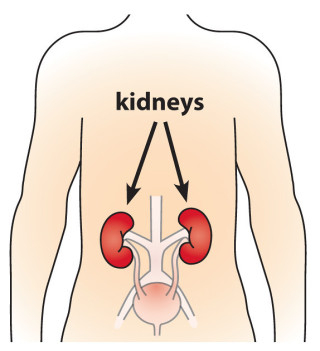
Bisphosphonates are excreted by the kidneys and like organophosphates, bisphosphonates damage the kidneys and cause chronic kidney disease or kidney failure. Chronic kidney disease is strongly correlated with a heightened risk of dementia which is not a coincidence. Damage to the kidneys by organophosphate exposure and bisphosphonates can stay at subclinical levels for many years before it becomes detectable as observable dementia symptoms.
Become an Expert. Do our Anticancer Video Course Series Online.
Bisphosphonate exposure gives us a strong link between dementia and osteoporosis via the kidney damage that they cause, but it’s the fact that bisphosphonates belong in the category of “organophosphates” that really highlights the reason why dementia and osteoporosis are related when osteoporosis patients have received bisphosphonate treatments. Organophosphates (including not only organophosphate pesticides, but also bisphosphonates), by their very nature, were designed to interact with the nervous system, especially with acetylcholine (a neurotransmitter), which is one of the neurotransmitters that is most often implicated in Parkinson’s disease, Alzheimer’s disease, vascular dementia (via its effects on the blood supply to the brain through the phosphate-calcium imbalances caused by organophosphates that you can read more about here), Lewy body dementia, and more. Also note that key experts on dementia have asserted all dementia is a form of vascular dementia, meaning that the root cause of all dementia cases originates in the blood vessels.If this is true about dementia, then the osteoporosis-atherosclerosis connection becomes even more important in solving the riddle of the dementia and osteoporosis connection. Atherosclerosis, a condition characterized by the presence of calcium deposits in the blood vessels that restrict blood flow to the brain, has been known to cause vascular dementia. And, atherosclerosis and osteoporosis are essentially caused by the same nutrient deficiency (vitamin K2 / MK-7) that is virtually unknown in the developed world. Supplementation with this nutrient can reverse or dramatically improve the symptoms of patients with either of these conditionss.
Read more here about vitamin K2 as a cure for atherosclerosis-osteoporosis. For a more in-depth discussion of how vitamin K2 works and why organophosphates and phosphate food additives as well as bisphosphonate drugs can cause dementia through calcium-phosphate imbalances in the body click here.
Dementia after Osteoporosis: What’s the Connection?
A patient with osteoporosis has a 1.2 to 1.3 fold increased risk of developing dementia in both men and women according to the Journal of Alzheimer’s Disease. And studies have shown that people who have taken bisphosphonates over long periods of time (longer than one year) are at an increased risk of developing Alzheimer’s disease and other forms of dementia. So that’s pretty compelling since bisphosphonates are the gold-standard in terms of osteoporosis treatment in conventional medicine.Bisphosphonates / Medications That Contain Organophosphates
Rather than referring to organophosphate-containing medications as “organophosphates”, Big Pharma contrived a new word to hide the fact that these medicines are, at their core, organophosphates. The word that they chose to label organophosphate medications is “bisphosphonates”.Click here to buy vitamin K2 / MK-7.
Bisphosphonates are medications that contain organophosphates. If you or a loved one is taking a bisphosphonate medication, you should know that these drugs have a reputation for causing the jaw bone to die (osteonecrosis of the jaw) following a dental procedure though sometimes jaw bone necrosis does happen spontaneously sans organophosphate exposure. Osteonecrosis of the jaw can easily result in death and let me tell you, it seriously impacts quality of life.Nonetheless, bisphosphonates are the most regularly prescribed drug used to treat osteoporosis and other bone-related diseases by conventional medicine doctors. Indeed, bisphosphonates are the most highly recommended treatment for post-menopausal osteoporosis in women. These drugs can cause dementia to develop. A first step in preventing and treating dementia in patients who are taking these drugs is to stop taking them and begin taking vitamin K2 / MK-7 at a dose of 2400 mcg per day for 6 weeks (thereafter, take 1200 mcg per day) along with iodine supplementation and 7,8-dihydroxyflavone.
Click here to subscribe to the Living Database now.
The Truth about Bone Remodeling and Remineralization
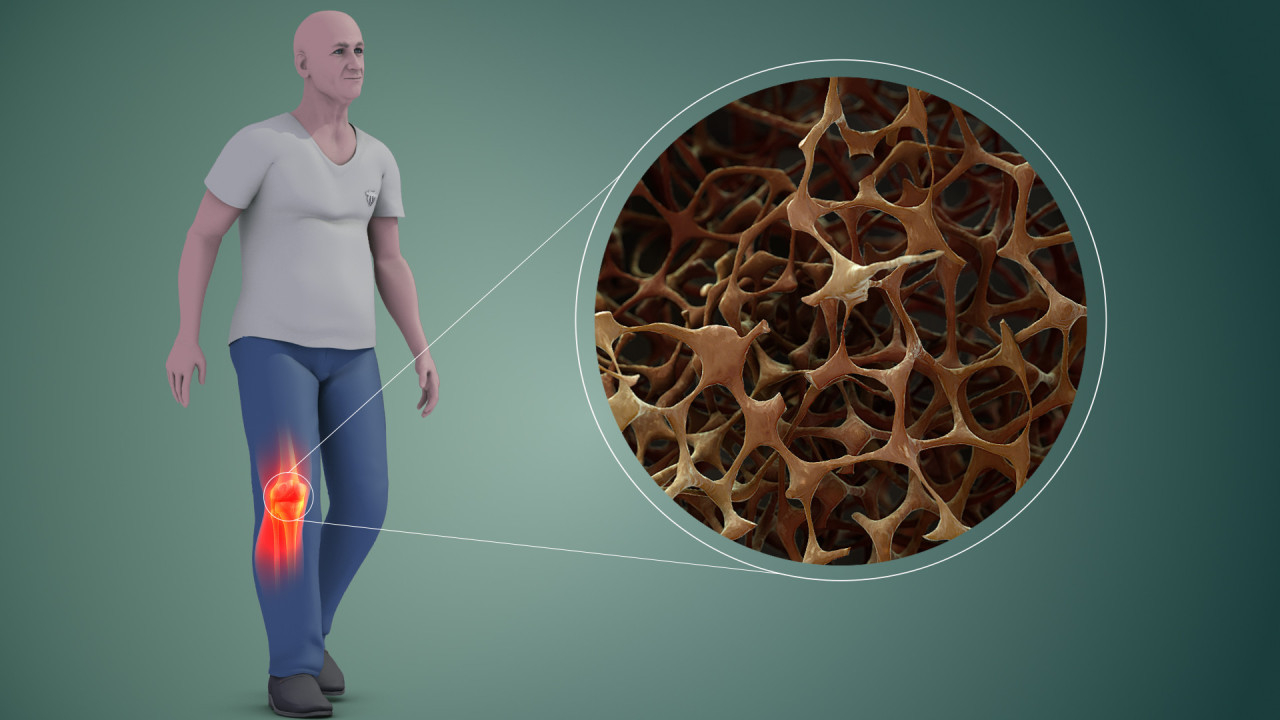
In normal, healthy people, bone tissues as well as teeth are constantly breaking down and then rebuilding themselves. This process of dynamic destruction and rebuilding is kept in balance by osteoblasts (which create bone) and osteoclasts (which destroy bone). It is common knowledge in the scientific community that both our bones and our teeth have the ability to be destroyed and then to regrow and remineralize themselves.
The bisphosphonates inhibit bone remodeling by killing osteoclasts (the bone cells that bone tissues for remodeling), thus slowing bone loss (or so the scientific studies say). Doctors tell their patients that this reduction in osteoclast-bone-cell-murderers will fix the problem of low bone density, but keep in mind that osteoclasts remodel bones on the basis of our posture and how we hold our bodies up against the weight of gravity among other things. People who have recently started a new workout routine might have osteoclasts that break down bone tissues so as to rebuild them stronger to be able to withstand heavier weights and exercise. Patients are never educated about vitamin K2 / MK-7 as a bone-building nutrient because doctors know nothing of nutrition, especially cutting edge discoveries like vitamin K2. This is the bone remineralizing vitamin–the vitamin that moves calcium out of arteries and blood vessels into the bones and teeth where it belongs. Read more about how to cure osteoporosis with vitamin K2. Indeed, osteoclasts do not “murder” bone cells. Rather, they maintain an ecological-sort of balance in bones to make sure that bones exist as dynamic, ever-changing structures that are flexible, but strong. If we think of an airplane and how a structure like an airplane must be strong and relatively light-weight, yet flexible, this will give us a good model for bone tissues. Like the structure of an airplane, our bones must be able to withstand quite a lot of turbulence. They must be flexible structures, not rigid. Skyscrapers are another good example of how flexibility is a form of strength. At the top of a skyscraper you can feel the movement and the dynamic swaying that occurs to keep the skyscraper standing and intact. Only flexible buildings that are also strong can withstand earthquakes. Our bones are designed to be strong and yet flexible as structures that are made of crystals containing calcium ions (positively charged) and phosphate ions (negatively charged). These ions link together similar to the way that the positive and negative poles of two magnets would be attracted to each other. In bones, calcium and phosphate ions are attracted to each other like magnets and they can release their grip on each other, as needed to “remodel” bone tissues that are experiencing new or different kinds of stressors. It’s an amazing process that shouldn’t be “fiddled with” by doctors using something as toxic as bisphosphonates. Bones are piezoelectric which means that they produce electricity when they make impact with the earth when walking or jogging. Bones that are flexible and that “bend” ever-so-slightly during movement against gravity produce electricity that our bodies need in order to heal ourselves and to simply stay alive. Indeed, this piezoelectricity can even be provoked by solar activity like solar storms and coronal mass ejections that are powerful when the earth is at solar maximum. The sun goes through a “solar maximum” period with alternating “solar minimum” periods every 11 years. Solar storms in turn can set off geomagnetic storms that cause the Northern Lights phenomenon. Both solar storms and geomagnetic storms can produce vibrations in our bones through this piezoelectric quality. Without piezoelectric bone tissues, bones become sick, but the rest of our body suffers from a lack of electricity as well. This is a serious issue that impacts human health through several mechanisms of action that can, in fact, lead to the development of dementia and other serious neurological issues. Nonetheless, bisphosphonate drugs are used most commonly in the treatment of the following diseases:
- Osteoporosis
- Osteitis Deformans / Paget’s Disease of the Bone
- Bone Cancer
- Multiple Myeloma
- Breast Cancer
- Prostate Cancer
- Other Types of Cancer
- Osteogenesis Imperfecta
- Primary Hyperparathyroidism
- Fibrous Dysplasia
- Other conditions involving fragile bones
- Complex Regional Pain Syndrome
Bisphosphonates are also used to diagnose certain bone diseases, which means that you can be exposed to organophosphates on a doctor visit to simply diagnose whether or not you have a bone disease. So make inquiries into the substances your doctor may be using to diagnose bone diseases too. Organophosphates lodge themselves in bone tissues and they build up in an unnatural way that makes bones unnaturally rigid instead of flexible (as they’re meant to be). Rigidity of bones is a sign that the bones are no longer piezoelectric which means that your body has been depleted of a major source of energy. You want bones that are flexible, yet strong, not overly rigid and overly dense bones that look strong on x-rays, but that are actually prone to femur fractures.
Bisphosphonates and Other Drugs That Contain Organophosphates
Below is a list of some of the organophosphate medications that can cause organophosphate poisoning. Be aware that new bisphosphonate drugs are constantly being developed. Research your prescription drugs before you put them into your body to find out more about their classification and ingredients:-
-
-
- Malathion (Brand name: Ovide) - A parasympathomimetic that is used to treat head lice.
- Echothiophate (Brand name: Phospholine) - An acetylcholinesterase inhibitor that is used in eye medications to increase the drainage of intraocular fluid. It is most commonly used to treat glaucoma.
- Amifostine (Brand names: Ethyol; Amiget; Ethyfos) - Amifostine is used to protect kidney cells and renal toxicity during cancer radiation treatment. It is used to prevent patients from having an excessively dry mouth (xerostomia).
- Farnesyl thiopyrophosphate -
- Farnesyl diphosphate - Used in the treatment of osteoporosis.
- Geranylgeranyl diphosphate -
-
- Coumaphos (Brand names: Umbethion; Suntol; Negashunt; Meldame; Baymix; Agridip; Dilice; Co-Ral) - Used to kill ticks, mites, flies, and fleas in farm animals.
- Dichlorvos (Brand names: Vapona; Atgard; Task; Nuvan; DDVP; Benfos; Dividan) - Dichlorvos is an organophosphate used indoors to control pests that might invade foods that are in storage.
- Famphur (Brand name: Famophos) - Famphur is used to control grubs and lice in cattle and pigs.
- Fenthion (Brand names: DMTP; Baycid; Mercaptophos; Lebaycid; Tiguvon) - Fenthion is an organophosphate drug that is used to kill insects, birds, and mites. It is a cholinesterase inhibitor.
- Clodronate disodium / Clodronic acid (Brand names: Osphos; Bonefos) - Used to treat osteoporosis in postmenopausal women, as well as for osteolysis and hypercalcemia in cancer patients.
- Etidronate disodium / Etidronic acid (Brand name: Didronel) - Used in the treatment of osteoporosis
- Pamidronate disodium / Pamidronic acid (Brand names: Aredia; Pamimed) - Treatment for Paget’s disease, hypercalcemia in cancer patients, and osteolytic bone lesions
- Ibandronate (Brand names: Boniva; Bandrone; Bondrix; Bondronat) - Used to treat postmenopausal osteoporosis.
- Tiludronate disodium / Tiludronic acid (Brand name: Skelid) - Used to treat Paget’s disease
- Alendronate disodium / Alendronic acid (Brand names: Fosamax; Binosto) - Prevents bone resorption by osteoclasts and is prescribed to prevent/treat osteoporosis (especially in post-menopausal women or individuals with glucocorticoid-induced osteoporosis) and Paget’s disease
- Risedronate disodium / Risedronic acid (Brand names: Actonel; Atelvia; Ridron; Benet; Takeda) - Prescribed for osteoporosis and Paget’s disease
- Technetium Tc-99m oxidronate and Technetium Tc-99m medronate - Radiopharmaceutical agents used in the diagnosis of bone conditions in children and adults. The former in particular may be used to diagnose bone tumors, osteomyelitis, avascular necrosis, bone fractures, and osteoporosis, and may be used to evaluate prosthetic joints.
-
-
Bisphosphonate Adverse Effects and Side Effects
Bisphosphonate side effects and adverse effects can give us insight into how organophosphates in the environment affect humans. A number of musculoskeletal issues are associated with bisphosphonate administration. As such, one might presume that musculoskeletal issues are associated with organophosphate exposure too. Severe joint pain, bone pain, and muscle pain have all been correlated with bisphosphonate administration.Bisphosphonate exposure is also strongly correlated with an increased risk of developing atrial fibrillation particularly when bisphosphonates are administered intravenously, but again, one might also conclude that long-term, chronic exposure to organophosphates in the environment would also cause an increased risk of atrial fibrillation.
Women who take bisphosphonates to treat osteoporosis often experience unusual fractures known as “bisphosphonate fractures” of the thigh bone. Scientists and doctors who are aware of the toxic nature of taking bisphosphonates for osteoporosis say that bisphosphonate exposure leads to an over-suppression of bone tissue turnover by interfering with the natural dynamic of bone destruction and bone rebuilding. Micro-cracks in the bone tissue may not be able to heal properly or they may heal poorly as a result of bisphosphonate administration. The crystalline pattern of healthy bone tissues are disrupted by bisphosphonates and also organophosphates in the body.
If you have osteoporosis or heart disease or both, consider taking vitamin K2 as a bisphosphonate alternative and as a cure for osteoporosis as well as atherosclerosis.
Also note that an underlying infection can cause osteoporosis via iron-loving pathogens that infect the bone marrow. Major childhood infections can lead to colonizations of bacteria or other pathogens that last for decades in the body. A colonization of a pathogen may lead, at some point, to the development of bone health issues or dental problems that must be treated holistically using something like Cinchona officinalis and Artemisia annua.
Oral Bisphosphonates
Oral bisphosphonates cause stomach upset and inflammation. Some doctors believe that oral bisphosphonates significantly increase the risk of esophageal cancer as well. Big Pharma has worked hard to cover-up the studies demonstrating the increased risk of esophageal cancer, but patients who have taken bisphosphonate medication should download our four-volume Cancer Cure Catalog series (the first volume is free) to work with powerful, but natural cancer-prevention agents.
Intravenous Bisphosphonates
Intravenous bisphosphonates can cause flu-like symptoms with fever after the first infusion. Some experts believe this is due to T-cell activation. When administered for the treatment of cancer, bisphosphonates have been heavily associated with osteonecrosis of the jaw (including both the mandible (the lower jaw) and the maxilla (the upper jaw). Osteonecrosis of the jaw caused by bisphosphonates may occur spontaneously (40% of cases) or it may be spurred by a dental procedure (60% of cases).If you are suffering from cancer and you would like to learn more about alternative treatments for cancer using medications that won’t cause your jaw bone to die, download our four-volume Cancer Cure Catalog series (the first volume is free).
Bisphosphonates and Dementia
Organophosphates cause nervous system damage and bisphosphonates are organophosphates. Nervous system damage happens as a result of calcium imbalances that, in turn, are caused by a high phosphate load in the body. Phosphate levels are meant to be dynamic. Phosphate is an important ion in the body that’s supposed to come and go according to what our bodies need. Organophosphates build up in the body in an unnatural way though. And this has a negative effect on all organ systems, especially the nervous system, but also the bones, and the kidneys.When I worked in long-term care many years ago, patients would often develop dementia suddenly due to a kidney or bladder infection. So the relationship between kidney damage and dementia due to bisphosphonate exposure is important. But though kidney damage due to bisphosphonate exposure as a treatment for osteoporosis and dementia symptoms reflecting kidney problems is compelling and worth exploring in greater detail, the direct effect of organophosphates on the human nervous system is even more compelling in terms of the relationship between osteoporosis and dementia.
A number of people have anecdotally reported an observed relationship between the administration of Fosamax and dementia. Fosamax is a popular bisphosphonate drug that doctors have prescribed en masse to post-menopausal women.
Click here to buy Vitamin K2 / MK-7.
Bisphosphonates, Dexamethasone, and Poor Mental Health
Of course, bisphosphonates are most often prescribed to older individuals for osteoporosis that presumably develops as a result of older age. But what about kids and teens who are given dexamethasone as a treatment for allergies and asthma? These kids are prone to developing bone-density issues as a result of taking dexamethasone chronically. They may develop osteoporosis at a very young age.This is a massive tragedy. Obviously, doctors would tend to prescribe bisphosphonates to these kids when they’re in their 20s or 30s to treat low bone density. And then these kids turn into young adults who are prone to developing dementia at a much younger age than what we would expect. But it’s very likely that when these young adults develop mental health issues, they’re given a young-person diagnosis like depression, anxiety, PTSD, psychosis, bipolar disorder, etc. rather than being given a diagnosis of dementia.
Bone health goes hand-in-hand with nervous system health throughout the life-span. And our bones are literally tethered to the sun and the earth’s geomagnetic field such that they vibrate to produce electricity when the sun is sending out flares or erupting into solar storms that are aimed at earth. The earth’s natural, geomagnetic field that is normally the forcefield that protects us from these blasts of energy from the sun, may behave like a mother protecting her kids from an angry father. She become upset herself. The geomagnetic field surrounding earth can be jostled by the sun’s solar storms to produce the Northern Lights, a phenomenon that can be correlated with an increased risk of brain fog, joint pain, muscle aches, fever, and other symptoms of generalized malaise if the geomagnetic storm is strong enough.
The bones play a role in our mental health in ways that we don’t fully understand just yet, but certain drugs and conventional medicine “treatments” can disrupt our mental health by targeting the bones and altering their crystalline, piezoelectric structure. Alternative medicine treatments like Transcranial Magnetic Stimulation, for example, uses strong magnetic pulses to release trauma in a gentle, non-invasive way that mimics the geomagnetic fluctuations that happen naturally during geomagnetic storms. When our bones are disrupted, our bodies can’t release trauma which ultimately can make our minds very sick. In order to release trauma and experience mental health, the bones also need to be healthy.
Antidotes to Organophosphate Poisoning / Bisphosphonate Poisoning
We’ve uncovered some probiotics and herbal treatments for organophosphate poisoning (including bisphosphonate poisoning). Vitamin K2 is an important nutrient antidote to organophosphate exposure in bone tissues. This nutrient, though, is perhaps the most important nutrient that you can work with as a natural organophosphate poisoning treatment. Without vitamin K2 (which is not usually present in the diet of most people living in developing countries), you will have a hard time restoring your bone health. While doing vitamin K2 / MK-7 therapy, many patients with severe neurological or bone diseases would benefit from relocating for a time to an area of the world with fewer organophosphates if they are very ill. Vitamin K2 / MK-7 is important for bone tissues, but for the nervous system, the psychoactive mushroom known as Amanita muscaria is a vital treatment. Amanita muscaria contains muscarine, a natural substance that interacts with muscarinic receptors in the body that are normally host to organophosphate molecules in people who are organophosphate-toxic. If you are trying to remove organophosphates from your bones and teeth, Amanita muscaria microdosing should be a part of your protocol because, as the organophosphates are released from your bones and teeth, Amanita muscaria can prevent the organophosphates from interacting with muscarinic receptors that can produce mental health issues and dementia symptoms.We discuss how to heal bones and teeth in our book, How to Heal Your Mouth, Teeth, and Jaw.
Click here to buy Amanita muscaria.
What’s the Link Between Poor Heart Health and Neurodegenerative Disease?
Click here to read this news story, which takes readers through the basic logic behind how poor blood circulation to the brain causes dementia symptoms.Consensus-Based Science and funding from Big Pharma regularly stonewalls scientifically proven information and keeps the public from learning the truth about neurodegenerative disease. In 1993, Torre and Mussivand proposed that sporadic Alzheimer’s disease was actually a vascular disorder in which the brain was not receiving enough blood. Reduced blood flow to the brain might be caused by atherosclerosis, dyslipidemia, diabetes, stroke, or cardiovascular disease, but in any case, this realization prompted a shift in thinking among certain scientists who were not inclined to follow the popularity contest that today defines Consensus-Based Science.
In one of our Medical Misinformation Updates, we talked about vitamin K2 deficiency as one of the root causes underlying atherosclerosis, arteriosclerosis, cardiovascular disease, and soft tissue calcification. And in this Medical Misinformation Update, we’re alerting our readers to the idea that dementia is often caused by poor blood circulation to the brain. Poor blood circulation to the brain can happen if the blood vessels develop calcium deposits as a result of vitamin D supplementation without vitamin K2 supplementation to balance out the effects of vitamin D.
Read more here about the damaging effects of supplementing with vitamin D without also supplementing with vitamin K2. In most cases, patients should supplement with only vitamin K2 / MK-7 unless they eat a traditional eskimo diet and live in high northern latitudes. So, while it’s been scientifically established that vitamin D supplementation by itself without vitamin K2 will inevitably clog your arteries and veins—and while it’s been scientifically established that clogged arteries that lead to the brain can lead to symptoms of dementia including symptoms of Alzheimer’s disease, the mainstream news article that we link to above would have you believe that more research is necessary to really prove that low blood flow to the brain will cause dementia symptoms to develop. Does it really require a scientific research study to prove this? This uninspired scientific study was designed merely to pay homage to Consensus-Based Science and to make sure that the public never learns about the actual cures for diseases like Alzheimer’s or other types of dementia.
If you or a loved one has recently been diagnosed with Alzheimer’s disease, Parkinson’s disease, or another type of dementia, you should consider learning more about Chlorine Dioxide Solution / Miracle Mineral Supplement and FDA-approved Dimethylsulfoxide (DMSO), a substance with a proven track record as a cure for Alzheimer’s and other forms of dementia. And if you or a loved one has a neurodegenerative disease of any kind, read this article about vitamin B12 deficiency and how the healthcare system has calibrated a shift in policy that has led to the development of dementia symptoms that can easily be resolved with vitamin B12 injections or with vitamin B12 administration in combination with DMSO.
Dimethylsulfoxide (DMSO) heals nerves and brain tissues and it can perform newsworthy miracles that you’ll never get to read about in mainstream news. Nonetheless, you can read more here about DMSO and what this medicine can do for you and your family. Also read this article about basic guidelines for use.
Root Cause: Common Environmental Toxins and How to Protect Yourself From Them - BUY HERE!
Resources:
• Lyndon, E. J. (2018). Osteoporosis linked to higher risk for dementia. Retrieved October 2, 2022 from https://www.healio.com/news/rheumatology/20180906/osteoporosis-linked-to-higher-risk-for-dementia#:~:text=and%20December%202012.-,Osteoporosis%20is%20associated%20with%20a%201.3%2Dfold%20increase%20in%20the,among%20women%2C%20according%20to%20findings.&text=The%20study%20also%20included%2029%2C983,%2C%20comorbidities%20and%20co%2Dtherapies.
• Tiihonen, M. et al. (2016). Incidence and Duration of Cumulative Bisphosphonate Use among Community-Dwelling Persons with or without Alzheimer’s Disease. Retrieved October 2, 2022 from https://www.ncbi.nlm.nih.gov/pmc/articles/PMC4927880/
• Black, D. M. et al. (2022). Bisphosphonates and the risk fo atypical femur fractures. Retrieved October 2, 2022 from https://pubmed.ncbi.nlm.nih.gov/34920168/
• Rroji, M. et al. (2022). Phosphate in the Context of Cognitive Impairment and Other Neurological Disorders Occurrence in Chronic Kidney Disease. Retrieved October 2, 2022 from https://pubmed.ncbi.nlm.nih.gov/35806367/
• Peacock, M. (2020). Phosphate Metabolism in Health and Disease. Retrieved October 2, 2022 from https://pubmed.ncbi.nlm.nih.gov/32266417/
• Miller, P. D. (2007). Is There a Role for Bisphosphonates in Chronic Kidney Disease? Retrieved October 2, 2022 from https://onlinelibrary.wiley.com/doi/10.1111/j.1525-139X.2007.00271.x
• Bone Health and Osteoporosis Foundation (n.d.). Side Effects of Bisphosphonates (Alendronate, Ibandronate, Risedronate, and Zoledronic Acid). Retrieved October 2, 2022 from https://www.bonehealthandosteoporosis.org/patients/treatment/medicationadherence/side-effects-of-bisphosphonates-alendronate-ibandronate-risedronate-and-zoledronic-acid/
• Yue, W. et al. (2025). The Role of Piezoelectric Materials in Bone Remodeling and Repair: Mechanisms and Applications. Retrieved June 9, 2026 from https://pmc.ncbi.nlm.nih.gov/articles/PMC12474723/