What herb kills Toxoplasma? Home Remedies for Toxoplasmosis
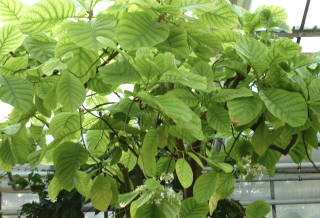
Quinine is a substance found in Cinchona bark. Quinine comes from the Cinchona officinalis tree. This world famous substance, quinine, was responsible for eradicating the malaria protozoa from Europe many years ago and it is also an important medicinal substance that plays a major role in the Cinchona officinalis herbal remedy for toxoplasmosis, another common protozoal infection.

Studies on quinine itself and on patentable pharmaceuticals derived from quinine have shown that quinine-compounds have a strong anti-Toxoplasma action. Quinine, as a natural medicine, works by preventing tachyzoite proliferation. Quinine and quinine compounds found in the whole plant (a tree, actually) known as Cinchona officinalis are able to disrupt Toxoplasma mitochondrial membrane potential as well as adenosine triphosphate production (ATP–the main energy source for cells). It also produces a high number of reactive oxygen species that are able to kill toxoplasmosis protozoa. So Cinchona officinalis is a valuable medicine that works through more than one mechanism of action against toxoplasmosis.
In order to get the most out of Cinchona officinalis protocol, you will need to start slowly with this medicine, increase the dose over the course of 2-3 weeks and combine it with other medicinal agents, and then begin doing hot and cold therapy where the patient spends 10 to 30 minutes in an infrared sauna followed by a 10-12 minute cold bath (ideally while doing Wim Hof breathwork as an autonomic nervous system reset), if possible.
If you start treatment during a very hot season, hot therapy may not be appropriate. Use your best judgment. If you start treatment during a very cold season, cold therapy may not be appropriate. Again, use your best judgment.
Cinchona officinalis for Mental Health and More…
Quinine is the pharmaceutical that was derived from Cinchona bark, but we recommend that people work with Cinchona officinalis as a whole plant medicine. In some cases, it might be valuable to add a small amount of extra quinine using a high-quality tonic water syrup, but the whole Cinchona officinalis plant contains several medicinal agents besides just quinine to help patients overcome toxoplasmosis. When our family is following the ketogenic diet (we do keto seasonally at the time of this writing), we don’t use the syrup because it contains carbohydrates. Cinchona officinalis works slowly but surely to cure infectious diseases whether you add a teaspoon of extra tonic water syrup to the mix or not. This is an amazing herb. I don’t know what I’d do without it.
Research into dihydroquinine, also known as hydroquinone, a newly developed synthetic pharmaceutical that’s derived from the quinine in Cinchona bark, can be prescribed by doctors, but quinine or even the whole plant bark of the Cinchona officinalis tree may actually be MORE effective than either dihydroquinine or hydroquinine. Quinine and Cinchona bark are definitely more affordable than medicines you might get from your doctor, but if you would feel more comfortable getting a prescription medicine, consider showing your doctor scientific articles about quinine for toxoplasmosis as proof that these substances are valid treatments for toxoplasmosis infection. Just note that quinine, by itself, can cause some adverse effects mostly as a result of the inhibition of tryptophan metabolism in the body. Cinchona officinalis, in my experience, does not cause the same side effects, even if you take it daily at the maximum dose (0.25 mg / kg body weight) for 2 months or longer. Prescription quinine can also be used to treat toxoplasmosis but it is much more likely than Cinchona officinalis to cause serious side effects.
Note, however, that after centuries of use as an antimalarial, Cinchona officinalis and also quinine are still effective as a treatment for toxoplasmosis and many other diseases. Cinchona officinalis contains a number of medicinal agents that work together to prevent any type of toxic reaction from quinine and that enhance digestive system health at the same time so that nutrient and quinine absorption can be maximized. While you might feel tempted to go to a doctor to get a prescription drug that was synthesized in a lab by a scientist who knew that quinine is an effective remedy for toxoplasmosis, consider this: this scientist’s job was to create a different, but similar molecule to the natural quinine molecule so that the new molecule could be patented and sold at a huge profit. That scientist is trying to find a molecule that will work “well enough” but that will specifically not cure the disease caused by Toxoplasma gondii. This is his job. But you can work directly with quinine yourself using Cinchona officinalis in an herbal decoction (which is basically just a tea that’s simmered for 15 to 20 minutes on low heat after initially coming to a boil) and you can administer tonic water syrup which contains small quantities of quinine. Combine Cinchona officinalis with Artemisia annua as a source of artemisinin for a few weeks (we’ll talk about that more below, and you have a powerful remedy for Toxoplasma gondii) to improve the overall effectiveness of your Cinchona protocol and then switch to Cinchona with methylene blue once each week. After that, you might wish to switch to a detoxifying protocol using Cinchona bark and Hemidesmus indicus for a few days before returning again to the Cinchona with Artemisia protocol. In all cases though, Cinchona officinalis is a central healing agent.
It is also important to note here that if you are dealing with symptoms of psychosis (schizophrenia) as a part of your symptom picture with regard to Toxoplasma gondii, quinine has been used for centuries to treat a wide variety of mental health issues. Indeed, thorazine / chlorpromazine, the very first anti-psychotic drug ever developed and it was derived directly from quinine. When thorazine was first developed nurses would often do cold therapy with psychotic clients to bring them back to reality. This feels like a cruel punishment for patients, but the body’s thermostat matters when we’re talking about psychosis and altered states of mind, a fact that points directly to autonomic nervous system function and the endocrine system. Indeed, low-level infection and low-grade fever is something that quinine can treat. So interestingly, thorazine was used to cool the body during surgery in its earliest days. Surgeons regarded thorazine treatment during surgery as a way to put the body into a state of “cooling hibernation”. As it turned out, thorazine also could “cool” states of psychosis.
We recommend that you start by working with Cinchona officinalis and Artemisia annua using a recipe that we describe below along with several other medicinal agents that complement the effects of this treatment. Patients should be exposed to sunlight daily without sunscreen while working with Cinchona officinalis. Depending on the temperature outside, get as much sun exposure as possible to get the most out of this treatment. Full-spectrum light can be beneficial, but as we just talked about, be aware that heat or cold can make certain conditions better or worse. Systems of medicine like Traditional Chinese Medicine and Ayurveda integrate climate, weather, and seasons into their medicinal protocols for a reason.
Note that quinine is often prescribed by doctors for restless legs syndrome and many other health problems, but Cinchona officinalis works well to treat this problem too. It can be extremely beneficial for kids or adults with ADHD or PANS who have trouble sitting still. When it works, it works very well, perhaps because some patients with ADHD and restless legs syndrome are actually suffering from Sydenham’s chorea, a disease caused by an underlying Streptococcus infection. Cinchona officinalis naturally calms the body, in part through its interaction with magnesium receptors (don’t take Cinchona officinalis at the same time with magnesium because they compete with each other for receptor sites) and in part through its ability to kill iron-loving pathogens that are doing molecular mimicry in the body.
Cinchona officinalis Dosage and Preparation
Get an exact weight for yourself in kilograms (if you are treating yourself). Administer 25 mg / kg of body weight of Cinchona officinalis. Powder the Cinchona bark pieces in a coffee grinder if they don’t come in a powder. Use a gram scale to measure the proper dose for the patient. Place the measured dose in a small amount of water and bring it to a boil. Watch it carefully. As soon as it comes to a boil, lower the heat down to a simmer. Simmer for 20 minutes. Remove from heat and allow to cool. Strain out the bits of Cinchona and capture the liquid which is your daily dose of medicine. Don’t take it all at once. It is more effective if you take a little bit of this Cinchona liquid throughout the day. For this reason, we recommend that you get some bottled bubbly water and combine your dose of Cinchona with the bubbly water so that you can drink the mixture (known as “tonic water”) throughout the day. Aim to be drinking the tonic water mixture over the course of 6 to 8 hours of every day. NOTE: In one 2012 animal study by Garavita, et al. on animals, titled The in vivo antimalarial activity of methylene blue combined with pyrimethamine, chloroquine and quinine, scientists combined the use of quinine with an over-the-counter medication known as methylene blue. Methylene blue was given in a relatively high dose at 15 mg/ kg of body weight via IV. We don’t recommend that you administer 15 mg/kg of MB orally. In our experience a much lower dose produces a fairly noticeable effect when combined with Cinchona officinalis. Start with 1.5 mg / kg body weight of MB and increase the dose up to 3 mg / kg body weight if necessary for up to 4 days at a time. Then change to a different herbal Cinchona protocol for 1 month before working with MB again.
Within our family, we have used a modified version of this protocol for infections at 1/10th of this dose of methylene blue (between 1-2 mg/kg of body weight) with infrared sauna treatments at twice daily for 15 minutes given at 2 hours after methylene blue doses are given (when the methylene blue hits peak concentration). It is very difficult to give 15 mg / kg of methylene blue by mouth because it is bitter and nauseating. Don’t do it. Instead, give about 2 drops of methylene blue 1% per kg of body weight in 3 to 5 divided doses throughout the day.. Also note that methylene blue should not be given to anyone who is taking an MAOI, SSRIs, or any drug that alters serotonin levels.
That being said, the administration of methylene blue is given over the course of just 24 to 48 hours with sauna treatments and it is quite effective at getting rid of infections involving hemolytic, iron-loving pathogens. You can administer methylene blue daily instead of Artemisia annua (methylene blue can cancel out the effects of Artemisia annua) for up to 3 weeks at a time, but be aware that it can irritate the bladder and the kidneys. Heat / infrared sauna / sunlight exposure treatments are not appropriate for all patients at all times of the year. Methylene blue might be excellent for depressed patients because it is an MAOI. For patients with schizophrenia, autism, or dementia symptoms, it might make symptoms worse by causing bladder irritation.
We have administered methylene blue with the Cinchona officinalis dose given above to a 2 year old child with very good results. For kids, methylene blue should be given in a low dose that’s based on body weight (we recommend 1 mg / kg body weight for kids under age 5) and then the child needs to be observed for 24 hours before proceeding. Watch for signs of breathlessness or changes in body color (yellowing of the skin and eyes) or any signs of odd behavior or lethargy. If the child reacts to the methylene blue okay, proceed with dosing at 1 mg / kg daily.
This is a powerful treatment for toxoplasmosis infection. You can begin with the toxoplasmosis prevention protocol for a week to prevent a major detoxification reaction and then work with higher doses of Cinchona officinalis and Artemisia annua (make sure the Artemisia is prepared fresh daily as a regular tea at 2.5 grams for kids under age 5 and 5 grams for kids and adults over 5 years of age) and sun exposure, if possible (do exposure time without sunscreen to ensure that the hydrogen peroxide system of the body is activated). Then, after 7 to 10 days, proceed to working with Cinchona officinalis and methylene blue at the doses recommended here for only 2 to 4 days at a time to keep detoxification reactions under control. Return to Cinchona officinalis with Artemisia annua after you complete your protocol with the methylene blue.

Toxoplasmosis Prevention
For infection prevention, administer Cinchona officinalis at a dose of 0.25 mg / kg per day for adults. Follow the instructions above for working with Cinchona as a dried herb.
One of the nutrients that can help patients become free of toxoplasmosis and remain that way is Lugol’s iodine. When the body is properly charged with enough nutrient-iodine, all of our sweat contains trace amounts of this disinfecting mineral and all of our mucus contains iodine as well. When we have plenty of both potassium iodide and molecular iodine (both of which are found in Lugol’s iodine) in our bodies, the immune system produces a very long-lasting reactive oxygen species (ROS) made with iodine. This iodine-based ROS is a front-line defense against pathogenic infections of all kinds.
Surgeons scrub their arms with iodine-based soap products before surgery and they cover the areas of a patient’s body with iodine before making surgical incisions. To not scrub with iodine is to make the patient susceptible to infection. Nutrient forms of iodine like Lugol’s also prevent infection. If we are iodine deficient, we’ll be prone to infection, thyroid problems, reproductive organ problems, mental health issues, brain fog, autonomic nervous system dysfunction, and more.
Administer 2% Lugol’s iodine at a dose of 1 drop to the wrist daily. Increase the dose by 1 drop per day. You can also put the drops in water and then drink the water.
Read more about Lugol’s iodine here, to find out what to expect from this essential trace mineral that has the ability to get rid of Toxoplasma gondii and other serious diseases.
As an expectorant, potassium iodine is prescribed at a 300-600 mg dose taken 3-4 times daily in 8 ounces of water, juice, or milk. Potassium iodide can be used by itself, but we recommend working with Lugol’s iodine because Lugol’s has a broader spectrum of action in the body. Remember though, Lugol’s iodine contains potassium iodide at a lower dose. Taking 20 drops of Lugol’s iodine 2% may be enough to treat a disease like Toxoplasma gondii that doesn’t involve a respiratory component like tuberculosis. Increase the dose slowly as you begin to use the Lugol’s iodine.
For 2 weeks to 2 months before you begin taking Lugol’s iodine, start by taking 400 mg of vitamin B2 daily and 500 mg of vitamin B3 daily along with 400 mcg of selenium, 400 mg of magnesium glycinate, and a 15/2 zinc / copper supplement. Take a vitamin B100 complex supplement in addition to the vitamin B2 and vitamin B3 doses each day. If you suffer from a thyroid disorder of any kind, take these supportive nutrients for 2 months before you begin to dose with Lugol’s iodine.
Herbal Remedy for Toxoplasmosis #1: Quinine and Artemisinin
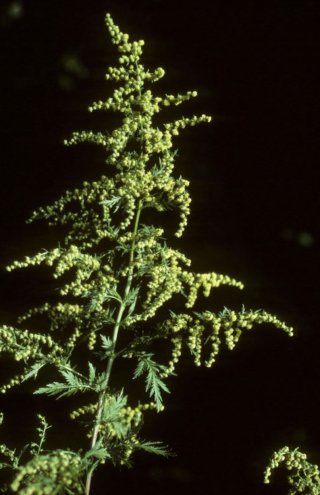
Quinine is a substance that’s found in Cinchona bark. Artemisinin is a substance that’s found in the plant known as Artemisia annua. Though most scientific studies have focused on artemisinin and quinine, using the whole plant material is a better choice for toxoplasmosis treatment. If you use the whole plant materials, Cinchona officinalis and Artemisia annua, rather than quinine and artemisinin you will be administering a powerful group of medicines that work together to heal toxoplasmosis holistically. Cinchona officinalis contains quinine. Artemisia annua contains artemisinin. Both of these plants also contain other medicinal agents that enhance the overall medicinal effect of quinine and artemisinin.
Artemisia annua should be given twice daily in the morning and at night. Children under age 5 should take 2.5 grams in divided doses twice daily (1.25 grams in the AM and 1.25 grams in the PM). Kids over 5 years of age and adults should take 5 grams per day in divided doses (2.5 grams in the AM and 2.5 grams in the PM). Avoid other foods and supplements when you take the Artemisia. Antioxidants in foods, drinks, and other supplements can cancel out the delicate reactive oxygen species that can kill T. gondii.
Cinchona, on the other hand, should be administered throughout the day. Frequent dosing with Cinchona officinalis works better than dosing with Cinchona only two or three times per day. So you’ll produce a “tonic water” by combining the Cinchona officinalis tea with a bottle of fizzy water and stevia (find a stevia product that is pure and not adulterated with other sweeteners). The patient will then aim to drink the tonic water throughout the day, making sure that the drink lasts for 6 to 8 hours before the patient finishes drinking it. Studies have shown that Cinchona works best when it is administered throughout the day in many divided doses.
Cinchona bark contains quinine and it works through several different mechanisms of action to kill hemolytic pathogens, not just Toxoplasma gondii. It combines well with Artemisia annua. These two herbs, when used together, have a complementary medicinal action against Toxoplasma gondii.
Cinchona is a medicinal plant that can help people rebuild their blood supply after being infected with a hemolytic pathogen that causes iron deficiency and anemia. It takes 1 week to build one red blood cell, so if the patient has had a lot of their red blood cells damaged by Toxoplasma gondii, just be aware that energy levels and oxygenation of the brain and other tissues in the body won’t become noticeably better for 6 to 8 weeks. It takes about 6 months to restore the blood supply to a normal level after infection with a hemolytic pathogen like Toxoplasma gondii. Though this is a source of frustration, you can also enjoy the fact that with each passing week, the patient’s energy levels and brain oxygenation should improve.
Expect to do at least one of the protocols and treatments in this discussion for 2-3 months or longer depending on the patient’s needs. At first, progress will be noticeable, but slow and with cycles of improvement followed by cycles of what seem to be setbacks. Continue on religiously with this protocol. The patient should rest in bed as much as possible for the first 4-6 weeks of treatment to allow the blood supply to slowly rebuild as the Cinchona and Artemisia are killing toxoplasmosis pathogens.
We also recommend that patients combine the use of these herbal remedies (Cinchona officinalis and Artemisia annua or Cinchona officinalis and Smilax medica) for toxoplasmosis with the following:
-
-
Red wine (¼ to 1 teaspoon per serving) - administer up to 8 times per day at first, ideally with food. It’s important to note here that toxoplasmosis can cause iron-deficiency and a state of anemia. Red wine improves the speed with which you can increase red blood cell production. Sometimes iron deficiency will show up in lab results. Sometimes it does not. Assume that the patient has iron deficiency and a low red blood cell count even if lab results say otherwise. Drinking small doses of red wine throughout the day can quickly improve iron and copper levels without overdosing the body on these nutrients.
-
DO NOT GIVE IRON SUPPLEMENTS TO CORRECT IRON DEFICIENCY OR ANEMIA. Iron is easily recycled in the body so iron should only be given in the form of red meat and foods like blackstrap molasses or red wine that contain iron already. When iron supplements are given to a patient with an infectious pathogen that consumes heme in our blood cells, it is like feeding the pathogen and increasing its virulence. This can obviously lead to a more serious infection. Rather, give copper supplements, ideally in food-form like red meat and red wine. Red wine is a good source of both iron and copper in an extremely bioavailable form that’s easy to absorb because of the alcoholic content. Consume the red wine by itself and with the red meat (see below).
Though the idea of giving red wine to children is generally considered heretical in our modern day world, in France, red wine has been used for centuries to lower fever. It works in part through its ability to deliver iron to the cells of the body when the body is under siege by an iron-loving pathogen.
Of course, in patients with a tendency toward alcohol addiction, red wine is not an option, but in that case, consider reading a bit about insulin resistance and alcoholism at AlivenHealthy.com along with material about the use of Peganum harmala / Syrian rue to overcome insulin resistance by regrowing the beta cells in the pancreas.
- Red meat (1-3 servings per day) - red meat and red wine are given to help the patient overcome anemia and iron deficiency that might not even show up on lab results.
- Melissa officinalis (4 grams per day) - This herb is given as a tea that can be drunk throughout the day or in one sitting. It is given to regulate insulin levels and to support the thyroid gland.
- Green coffee - Green coffee is high in quinic acids that lower inflammation in the gut. Many patients with toxoplasmosis are not able to overcome the disease because their gastrointestinal system is inflamed and as a result, they aren’t absorbing the nutrients they need in order to overcome this infection.
NOTE: A number of our clients have come to us with conflicting lab results regarding iron levels and red blood cell counts demonstrating that lab results are sometimes skewed. Also red blood cell levels are a moving target. If the patient is pale and seems exhausted all the time or brain foggy, they probably have an issue with red blood cell levels as a result of the Toxoplasma gondii pathogen.
Dosage and Administration Methods:
Dosing with Extracts:
As extracts, you can administer Artemisia annua extract twice daily at a dose of 5 grams per day (administer it twice daily. Also as an extract, you can put 10 mg / kg of the patient's body weight of the Cinchona officinalis Bark extract into a “master tonic” that contains 4 to 8 ounces of water. Administer this tonic at least 8 times daily in divided doses. In other words, make a tonic water using Cinchona officinalis and then administer this tonic water throughout the day.
Dosing with Dried Herbs:
If you have access to powdered Cinchona officinalis and Artemisia annua, administer at a dose of 25 mg / kg of powdered Cinchona bark (use a coffee grinder to powder it if it arrives in chunks) daily. Use a gram scale to measure the dose according to the patient’s body weight. Place the full dose of Cinchona officinalis in about ¼ to ½ cup of water. Bring it to a boil and then lower the heat immediately to a simmer for 15 to 20 minutes. Remove the pot of water with Cinchona bark in it from the stovetop. Let it cool and strain it before you add it to a bottle of bubbly water. Add stevia to taste. If the patient responds well to this treatment for 7 days, consider adding 1 teaspoon of Top Hat tonic water to this tonic water mixture daily. In a separate pot, bring 500 mL of water to a boil. Remove the water from the heat immediately and combine it with 5 grams of Artemisia annua. Allow it to cool for 15 minutes before you strain it. Administer the Artemisia annua tea twice daily while the patient is sitting in the sunlight, if possible.
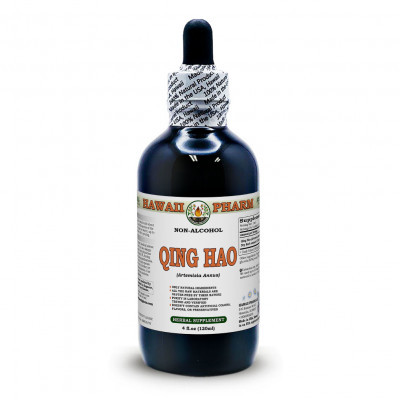
DO NOT GIVE MAGNESIUM OR VITAMIN C TO THE PATIENT WITHIN 2 HOURS (BEFORE OR AFTER) ADMINISTERING THIS TREATMENT. Magnesium can interfere with the body’s use of quinine and vitamin C can destroy the medicinal reactive oxygen species that kill pathogens like Toxoplasma gondii. Scientists and doctors have successfully used QUININE against protozoan infections and there is quinine in Cinchona bark. The recommended dose of quinine (as an isolated medicinal substance) is 10 mg per day given in DIVIDED DOSES given every hour for 8 hours over the course of 7 days. So you’d make a 10 mg master solution of quinine at the beginning of the day and then you’d administer 1/8th of this master solution each hour for 8 hours of the day. Combine this treatment with two doses (morning and night) of 2500 mg of Artemisia annua (5 grams total per day). This treatment strategy of administering the quinine (or Cinchona bark) hourly is more effective than giving the quinine in bigger doses twice daily. Note that this consistent, hourly dosing is the same dosing strategy recommended for Chlorine Dioxide Solution / Miracle Mineral Supplement. It is more effective to administer hourly doses of 1/8th of the quinine master solution 8 times per day than to administer ½ of the quinine master solution in the morning and ½ at night. Note that both quinine / Cinchona Bark and artemisinin / Artemisia annua release reactive oxygen species as medicinal agents that have the ability to kill Toxoplasmsa gondii.
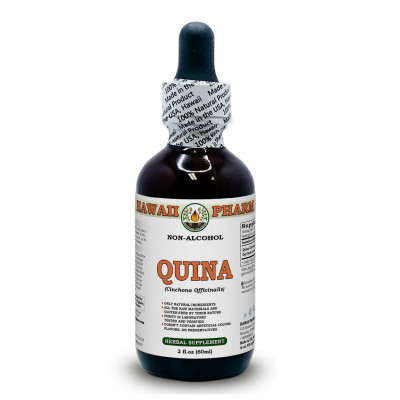
If you have access to powdered Cinchona officinalis and Artemisia annua, administer 3000 mg of powdered Cinchona bark (use a coffee grinder to powder it if it arrives in chunks) daily. Use a gram scale to measure the dose. Place the full dose of Cinchona officinalis in about 1 liter of water. Bring it to a boil and then lower the heat to a simmer for 15 to 20 minutes. Remove the pot of water with Cinchona bark in it from the stovetop. Add 5 grams of Artemisia annua to this mixture immediately as the water begins to cool. Administer this treatment 5 to 8 times throughout the day. DO NOT GIVE MAGNESIUM OR VITAMIN C TO THE PATIENT WITHIN 2 HOURS (BEFORE OR AFTER) ADMINISTERING THIS TREATMENT. Magnesium can interfere with the body’s use of quinine and vitamin C can destroy the medicinal reactive oxygen species that kill pathogens like Toxoplasma gondii. In this scientific research article, the author talks about the use of QUININE against protozoan infections. The recommended dose is 10 mg per day given in DIVIDED DOSES administered every hour for 8 hours over the course of 7 days. So you’d make a 10 mg master solution at the beginning of the day and then you’d administer 1/8th of this master solution each hour for 8 hours of the day. Combine this treatment with two doses (morning and night) of 2500 mg of Artemisia annua. This treatment strategy of administering the quinine hourly is more effective than giving the quinine in bigger doses twice daily. Note that this consistent, hourly dosing is the same dosing strategy recommended for Chlorine Dioxide Solution / Miracle Mineral Supplement. It is more effective to administer hourly doses of 1/8th of the quinine master solution 8 times per day than to administer ½ of the quinine master solution in the morning and ½ at night. So despite the fact that this dosing strategy is less convenient, consider doing it this way (multiple daily doses administered regularly) because it’s more effective.