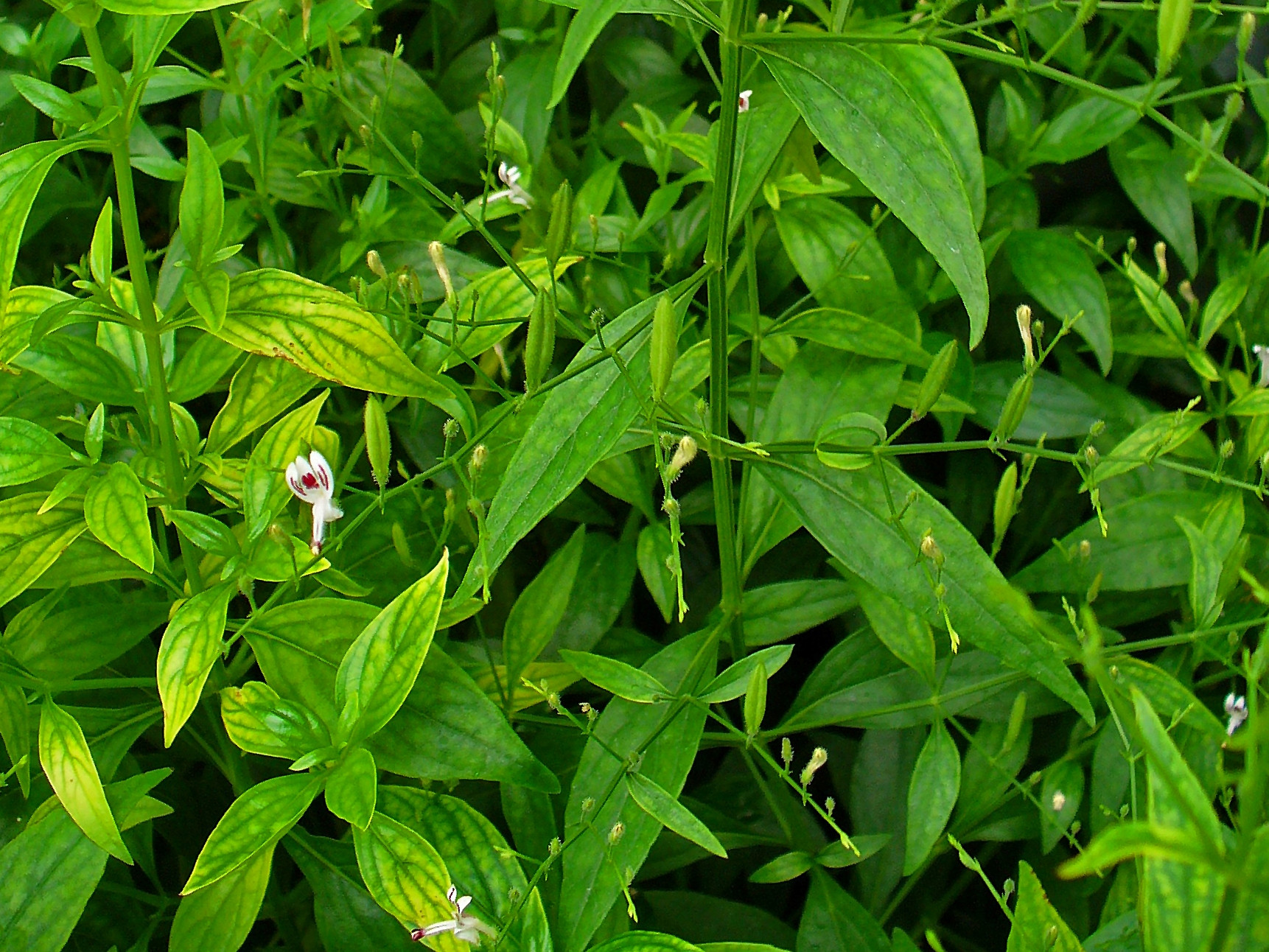
Andrographis paniculata: Killer of Protozoa and Spiral-Shaped Bacteria
What is Andrographis paniculata?
Andrographis paniculata is a valuable bitter herb that grows in Asia. It is also known as:
- Green Chiretta
- Creat
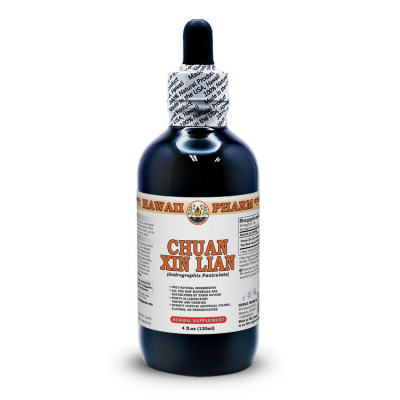
- Chuan Xin Lian
- Kalmegh
- Indian Echinacea
- “The King of Bitters”.
Andrographis paniculata is particularly useful as an anti-parasitic, anti-protozoan, and as an herbal remedy for Borrelia burgdorferi infection and toxoplasmosis as well as Weil’s Disease / Leptospirosis and Helicobacter pylori. Note that Borrelia, Leptospirosis, and Helicobacter bacteria are all spiral-shaped bacteria (spirochetes). Helicobacter bacteria have been studied the most extensively and these bacteria possess some interesting properties that might be used to explain the trajectory of Lyme disease and Weil’s Disease. Because Lyme disease and Weil’s disease have not been studied as well, readers will need to decide whether they want to make the analogy between these various spiral-shaped bacteria or not, but it’s worth stating in this chapter about Andrographis paniculata that people with toxoplasmosis infection are likely to experience a worsened case of their disease process if they have a co-infection with Helicobacter pylori. Luckily, Andrographis paniculata is an herb that can treat all of these diseases at the same time.
these diseases.

Bitter herbs are particularly useful against parasite infections and digestive upsets. But Andrographis paniculata has also proven to be extremely useful as healer of the immune system and it can be used as a treatment for autoimmune disease as well. Its usefulness as a natural treatment for autoimmune disease might be explained best by its ability to kill shape-changing pathogens (pleomorphic pathogens). Pleomorphism can make pathogens more resistant to synthetic, prescription antibiotic treatment. By changing shape from a spirochete to a coccoid / sphere, for example, a particular bacteria can evade synthetic pharmaceuticals that have been specifically formulated to only be able to kill a different form of the pathogen (the spirochete). Many pathogens that infect human beings are pleomorphic or at least polymorphic. Herbal treatments like Andrographis paniculata that can target more than shape of a pleomorphic or polymorphic pathogen can help patients with treatment-resistant forms of infection gain a foothold against a disease.

What are the medicinal benefits of Andrographis paniculata?
Though in this chapter, we’re primarily focusing on just a few medicinal benefits, Andrographis paniculata actually has an extremely broad spectrum of action as far as herbs go. When we look at herbal cures for disease at our blog, AlivenHealthy.com, we view each plant as a conscious entity and we look at how it treats the body as the plant’s “personality profile”. Andrographis paniculata is an herb that appears to work with shape-changing pathogens while it protects the liver and lymphatic system from new colonizations of pathogens. Through its lymphatic system function and its ability to pass the blood-brain barrier, Andrographis paniculata is able to treat nearly every organ and system in the body that might be infected with colonies of bacteria, mycobacteria, viruses, and protozoa.
Below is a list of the incredibly long list of diseases that can be treated using Andrographis paniculata:
-
- Cancer
- Leukemia
- Kidney Cancer
- Pancreatic Cancer
- Colon Cancer
- Melanoma
- Glioblastoma multiforme
- Lung Cancer
- Brain Cancer
- Breast Cancer
- Leprosy / Hansen’s Disease
- Digestive Diseases
- Inflammatory Bowel Diseases (Crohn’s Disease, Ulcerative Colitis)
- Colitis
- Diarrhea
- Gas
- Hypertension / High Blood Pressure
- Multiple Sclerosis
- Diabetes
- Arthritis / Joint Inflammation
- Skin Diseases
- Bacterial Infections
- Borrelia infection / Lyme Disease / Bartonella
- Weil’s Disease / Leptospirosis
- Pseudomonas aeruginosa infection
- Pneumonia
- Helicobacter pylori
- Parasite Infections
- Leishmaniasis
- Toxoplasmosis
- Malaria
- Viral Infections
- Mumps
- Chickenpox
- Dengue
- Influenza
- Common Cold
- COVID-19
- Hand, Foot, and Mouth Disease
- Adenovirus
- Respiratory Syncytial Virus (RSV)
- Fever
- Pain Control
- Ear Infection
- Inflammatory Diseases
- High Blood Pressure
- Canker Sores
- Metabolic Disease
- Tonsilitis
- Kidney Disease
- Lung Disease
- Toxoplamosis gondii
- Insect Stings (topical)
- Snakebites
- Sepsis / Blood Infection
- Low Immunity / Immune Suppression
- Autoimmunity
- Vitiligo
- Autoimmune Hepatitis
- Fibromyalgia
- Diabetes
- Liver Congestion
- Headache
- Liver Damage
- Jaundice
- Abscess
- Urinary Tract Infection (UTI)
- Hepatitis
- Heart Disease
- Gonorrhea
- Sexual Dysfunction / Low Libido
- Low Testosterone Levels
- Erectile Dysfunction
- Menstrual Cramps
Andrographis paniculata and Siberian Ginseng (Eleutherococcus senticosus)
Andrographis paniculata is often combined with Siberian ginseng and if you’re looking into herbal remedies for toxoplasmosis, Lyme disease, leptospirosis, or autoimmune disease, consider combining Andrographis paniculata with Siberian ginseng to improve its immune-boosting effects.

Andrographis paniculata as an Herbal Remedy for Lyme Disease
Lyme disease is caused by the spiral-shaped bacteria known as Borrelia burgdorferi or Borrelia mayonii. In the early stages of the disease, the planktonic stage, Andrographis paniculata works by supporting the immune system. In later stages of the disease, it works through several different mechanisms of action to reduce inflammation in the joints and connective tissue. Andrographis paniculata is an herbal remedy for mumps, which demonstrates its ability to work with the lymph nodes, which are often inflamed in those with Lyme disease. Through its ability to work in the lymphatic system, Andrographis paniculata is able to use its anti-bacterial, anti-Borrelial capabilities to get rid of the bacteria where it lives and thrives. Additionally, Andrographis paniculata is able to support the liver and the gallbladder, both of which are common reservoirs for bacteria that take up long-term residence in the body to cause autoimmune disease symptoms. But this herb is unique in terms of its ability to work on multiple systems of the body, as demonstrated by the diseases listed above that can be treated using this herb. Note that Andrographis paniculata is able to treat both heart disease as well as sexual dysfunctions and bladder issues. But it also has the ability to work on the lungs, the digestive system, the brain, and the immune system. So this is a good herb to work with if you feel like you’re falling apart. Andrographis can strengthen the heart, the liver, the lungs, and digestion as well as reproductive organs. Don’t expect for this herb to work like a drug. Many people give up too early on herbal treatment or they take the wrong dose. Herbs work to cure the body of disease, so they need time to work. Many people who have had Lyme disease for a period of time know that moving to quickly with treatments can cause uncomfortable detox reactions. Herbal remedies for Lyme disease have an advantage over other forms of treatment because, if you take the proper dose, they tend to be very gentle in terms of how they work. Andrographis paniculata is no exception. An herb that works on so many different parts of the body and healing at the same time needs to be given several months to demonstrate what it can really do.
How Andrographis Paniculata Works as a Natural Treatment for Lyme Disease
If you’re using this herb to treat Lyme disease, then it would be helpful for you to understand what its doing inside your body when you take it, so below, we’ve listed how Andrographis paniculata will work with you body to combat the disease:
- Kills the Borrelia burgdorferi or Borrelia mayonii spirochetes
- Reduces inflammation in the joints
- Easily crosses the blood brain barrier and accumulates in the Central Nervous System tissues to kill Borrelia bacteria living in the brain and nervous system tissues.
- Reduces inflammation in the Central Nervous System
- Acts as a sedative with calming effects on the body
- Reduces headaches
- Reduces chronic fatigue
- Reduces confusion
- Stimulates the body’s natural immune response to the infection
- Modulates the immune system response
- Improves liver functioning by killing spirochetes that may be living in the liver and gallbladder.
- Protects the liver and gallbladder against new infection.
- Protects the heart muscle.
Note that Andrographis paniculata can be used to treat three hard-to-treat bacterial infections that are caused by bacteria that have a spiral shape: 1) Borrelia burgdorferi / Borrelia mayonii 2) Helicobacter pylori and 3) Leptospirosis.
Detoxification Symptoms Associated with Taking Andrographis paniculata as an Herbal Remedy for Lyme Disease
Andrographis paniculata can cause a variety of detox symptoms as it clears the body of disease. In other words, you might feel worse before you feel better, but give this herb time to work in the body. Reduce the dosage by half if you experience a strong detox reaction, then slowly work up to a higher dose again. Continue taking it nonetheless.
Below are detoxification symptoms to expect while taking Andrographis paniculata as an herbal remedy for toxoplasmosis:


Andrographis paniculata as an Herbal Remedy for Helicobacter pylori
Studies have shown that Andrographis paniculata is able to inhibit the growth of Helicobacter pylori, a bacteria that lives in the stomach and that causes gastric ulcers as well as stomach cancer. Apparently, Andrographis paniculata inhibits the production of urease, a substance that enhances the survival of Helicobacter pylori and it also has the ability to kill the bacteria itself. Helicobacter pylori is a spiral-shaped bacteria that has been studied extensively because it is present in many municipal water supplies and must be managed throughout the world. Nonetheless, about 50% of the population of the world is infected with H. pylori. It is a difficult bacteria to kill because it has the ability to use its spiral shape to burrow into stomach tissues to escape from high acid levels and find more suitable, alkaline tissues below. H. pylori is also one of few bacteria that has been studied enough for scientists to observe its ability to change shape depending on the pH level of its surroundings.
Though the Borrelia bacteria and Leptospira bacteria have not been observed changing shape to escape drug treatment using synthetic pharmaceuticals, it’s likely that they have these pleomorphic abilities too. Herbal treatments for shape-changing bacteria tend to be far more effective than drug treatments because the plants are calibrated to work with all the different shapes that a bacteria can take to get rid of them permanently. Plant medicines tend to be chemically more complex than antibiotics which makes it harder for pathogens to evade them. At the same time though, it’s important for patients to realize that herbs must often be taken in higher doses than antibiotics for longer periods of time in order to overcome a disease. Herbs don’t cover up symptoms. They work to cure the body of the disease holistically.
Note that autoimmune diseases like Lupus can be exacerbated by bacteria like Helicobacter pylori but that there are a number of cures for an H. pylori infection. Some of these cures may also be relevant to the other spiral-shaped bacteria in this article (Borrelia and Leptospirosis). Some might even argue that H. pylori and toxoplasmosis as co-infections deserve a lot more attention given the shape-changing ability of H. pylori.
Andrographis paniculata as a Natural Treatment for Leptospirosis / Weil’s Disease
Leptospirosis, also known as Weil’s Disease, is a zoonotic disease caused by bacterial spirochetes known as Leptospira. One scientific study evaluated 11 different herbal extracts to examine their anti-leptospiral activity. Only one extract had both anti-leptospiral activity as well as immune enhancing abilities: Andrographis paniculata. This herb had anti-leptospiral activity against all of the species of Leptospirosis that were tested in the study. Scientists noted that the ability of Andrographis paniculata to achieve broad distribution throughout the body and tissues as well as its liver-protective abilities made it the ideal herbal treatment for Leptospirosis. Note that both Leptospirosis, Helicobacter pylori, and the Lyme disease bacteria all have the spirochete shape.