Search posts:

Trace Minerals and Electrolytes

Posted By Jennifer Shipp | Jun 30, 2022

DISCLAIMER: CONSULT WITH A DOCTOR BEFORE DECIDING ON A TREATMENT PLAN FOR ANY DISEASE.

ome links may be affiliate links. We may get paid if you buy something or take an action after clicking one of these. We use this revenue to keep the site free to you.

BEFORE YOU READ THIS ARTICLE...
Be sure to take a look at a few of our e-Books titles below that might pertain to your health search:

Why You Need Trace Minerals

Scientists estimate that about 90% of Americans have a trace mineral imbalance or deficiency. This is a serious problem because every nerve in your body, and every organ, relies on trace minerals, which are also known as “electrolytes” or sometimes “trace elements”. Trace minerals generate minute electrical impulses that ultimately animate our bodies. Every muscle in the body, including the heart, depends on these trace minerals to function as tiny magnets that generate electricity by crossing membranes. If you have a deficiency of one or more of these trace minerals, you may develop serious diseases like fibromyalgia or chronic fatigue syndrome, to name just two.

Because soils throughout the world are becoming more and more nutrient deficient as a result of modern farming practices, you may need to add a seawater supplement to your drinking water, change from table salt to Himalayan sea salt, or you may need to take shilajit as a trace mineral supplement in order to get the necessary trace minerals that your diet is lacking.
 

Click here to schedule a health coaching call with us.


What is a trace mineral? 

Trace minerals are mineral nutrients that are needed in tiny amounts in order for the body to function normally. Minerals are elements that are typically most useful to the human body when they are ingested in the form of a salt. Salts are elements that have paired up in ionic bonds that are essentially magnetic pairs. In electrolyte salts, the ions in the salt-mineral has a positive charge while the other ion in the pair has a negative charge. The magnetic nature of salts, which are made up of tiny elemental magnets known as “ions” in chemistry, make these substances easy to dissolve into water and therefore easy for the body to absorb and to use. 

Our bodies need trace minerals in order for us to be healthy. These trace minerals are derived from the earth. Sometimes the trace minerals are present in the soils such that fruits and vegetables can absorb them. Then, we eat trace minerals in our diets via our fruits and veggies. Sometimes the trace minerals are present in our water though most of the drinking water in the world has been filtered, out of necessity, which means that it likely has either no trace minerals / electrolytes or it has an imbalance of trace minerals / electrolytes. 

Many of the soils in the world are depleted of natural trace minerals that would make our diets more nutrient-rich. The water that most of us drink is also low in trace minerals and electrolytes, but there are some supplements that can help us replace these essential nutrients. We’ll talk more about those nutrients below.

 Click here to buy Himalayan sea salt. 

Trace minerals / electrolytes are technically inorganic. They’re these essential nutrients that are made up of rocks and earth, in a sense. They explain, in some ways, why and how our bodies emit electricity. Many of these trace minerals / electrolytes are elemental metals. 

Below is a list of essential trace minerals. Note that these trace minerals are all found in shilajit:

  1. Potassium - Found in bananas, leafy greens, and potatoes, potassium regulates the heart beat and nerve signaling.
  2. Sodium - Sodium is found in pink salt and sea food as well as in table salt.
  3. Chlorine - Chlorine is one of the most prolific and essential electrolytes in the body. It can be found in Himalayan sea salt as well as in table salt. 
  4. Calcium - Calcium regulates cellular function, bone health, and it is a component of enzymes and hormones. It is found primarily in dairy products, fish, and in leafy greens.
  5. Magnesium - Magnesium is another essential trace mineral that regulates our cellular function, the synthesis of DNA, and a wide array of biochemical reactions in the body. It’s found in leafy greens, and dark chocolate.
  6. Phosphorus - Phosphorus is used to produce energy, metabolize fat, and synthesize DNA. It’s found in eggs, dairy, and red meat.
  7. Iron - Iron is an essential trace mineral that’s needed for proper blood cell function, as well as for protein and enzyme synthesis. It’s found in spinach, legumes, and meats. 
  8. Zinc - Zinc is required for proper immune system functioning, detoxification of the body, growth, development, and healing, as well as DNA synthesis. It’s found in oysters, red meat, legumes, and dairy products.
  9. Manganese - Manganese is needed for proper production of hormones and enzymes. It’s found in ginger, nuts, and black tea.
  10. Copper - Copper is necessary for an array of biochemical reactions in the body, proper blood cells functioning, and nutrient transport throughout the body. It’s found in leafy greens, organ meats, and shellfish.
  11. Iodine - Iodine is necessary for the synthesis of thyroid hormones and to maintain balanced metabolism levels. It is found in kelp, Himalayan sea salt, and eggs.
  12. Chromium - Chromium helps regulate the metabolism and blood sugar levels in the body. It’s found in asparagus, spices, and mushrooms.
  13. Molybdenum - Molybdenum is needed for enzyme production, proper metabolism, and detoxification of the body. It’s found in legumes, leafy greens, and garlic.
  14. Selenium - Selenium is needed for healthy thyroid function, reproduction and fertility, DNA synthesis, and good immune system function. It’s found in brazil nuts, sea food, and mushrooms.
  15. Cobalt - Cobalt is an important nutrient for red blood cells and for proper nerve cell function. It also activates certain enzymes in the body. Cobalt is found in meat, dairy products, and algae. 
  16. Nickel - Nickel is found in all whole foods. It plays a role in fat metabolism, hormone activity, and the synthesis of urea. 
  17. Boron - Boron is necessary for hormone activation, nutrient absorption, and bone regeneration. It’s found in legumes as well as in fresh fruits and veggies.
  18. Silicon - Silicon is necessary for collagen formation, toned muscles, and for good bone health. It’s found in beets, high fiber foods, and in legumes.
  19. Vanadium - Vanadium is necessary for cholesterol production, hormone function, and sugar metabolism. Vanadium is found in olives, parsley, and nuts.
  20. Lithium - Lithium is found in drinking water in some areas of the world. Lithium is necessary for a variety of biochemical reactions in the body, for the uptake of B complex vitamins, and for brain health. 
  21. Germanium - Germanium is found in garlic, green tea, and in certain herbs. It may help enhance bile production and immune function. 
  22. Rubidium - Rubidium is found in coffee, tea, asparagus, and raw fruits and vegetables. It has an alkalizing effect on the body that can be beneficial for cancer patients. 


Trace minerals used to be abundant in fresh edible grains, fruits, and vegetables, but today, nutrient-depleted soil has led to widespread trace mineral deficiency in foods. Soils in the United States, in particular, have been depleted of its nutrients and their natural minerals by modern farming techniques and the use of synthetic fertilizers.

Click here to buy The AlivenHealthy Iodine Bible.


Trace Minerals and the Liver

Bile is a detoxifier. It helps in the excretion of material that the kidneys have not been able to excrete. Bile is produced by liver cells and it is mainly composed of the following elements:

    1. Water
    2. Electrolytes
    3. Bile Acids
    4. Bile Salts
    5. Cholesterol
    6. Bile Pigment
    7. Bilirubin
    8. Phospholipids
    9. Other substances


Scientists have studied the presence of electrolytes in the liver and in bile, but they haven’t been able to pin down the precise function of electrolytes in bile. Scientists do know that the absorption of trace minerals takes place primarily in the small intestine where bile is secreted and then re-absorbed into entero-hepatic circulation. And scientists have also shown that it’s best when trace minerals are consumed in ionic form, or in other words, as a salt to ensure that the body can easily absorb them and use them.

Click here to buy Shilajit as a trace mineral supplement.

Micronutrient intake of electrolytes / trace minerals is essential for a healthy heart and cardiovascular system. Unfortunately, because of the high level of importance of electrolytes in the human heart, Big Pharma has seized on the opportunity to skew the facts and mislead the public in regard to electrolytes. Though doctors have been taught to tell their heart patients to eat a low-sodium diet, the fact is, scientific research on sodium levels and its effects on the heart are contradictory. High sodium intake, for example, is associated with high blood pressure, but in reality, some scientific studies indicate that high sodium levels are associated with all causes of death due to disease while about the same number of scientific studies show that low sodium levels also increase the risk of death from all types of disease. So while the AMA and Big Pharma have decided to teach new doctors that high sodium levels lead to death due to heart disease, the truth is, low sodium levels can also lead to death from a variety of causes.  

While the AMA and the medical curriculum that educates doctors focuses almost exclusively on the (supposed) role of high sodium levels in causing heart disease (despite the fact that scientific research has shown that low sodium levels are just as dangerous), studies have shown that potassium, magnesium, and calcium play a stronger role than sodium in controlling blood pressure and heart function. This is why its so much healthier to stop eating table salt, which contains sodium and chloride, and switch instead to Himalayan pink sea salt which contains a wide array of trace minerals including sodium and chloride, calcium, potassium, magnesium, and more not just a high dose of sodium and chloride by themselves. 

Scientific studies into calcium levels have yielded similarly ambivalent results to sodium, but that makes sense given that most scientists are unaware of the role of vitamin K2 in transporting calcium to its proper location in the body for use. Calcium buildup in the blood vessels can lead to atherosclerosis, but calcium buildup in the blood vessels doesn’t happen if patients consume vitamin K2 or take a vitamin D3 / K2 supplement. Nonetheless, some scientists have summarized the data by saying that calcium supplementation is only beneficial for prevention of cardiovascular disease in people with a very low calcium intake. 

Click here to subscribe to the Living Database!


Trace Minerals / Electrolytes and Mental Health

Studies have shown that in areas of the world where there is a slightly higher amount of natural lithium salts in the water supply, there are lower levels of suicide, homocide, violence, depression, and mental health issues in general. Low levels of lithium are found in seawater supplements as well as in Himalayan sea salt and in shilajit, but some individuals with mood disorders might choose to take a microdose of Lithium Orotate at 5-80 mg to ensure that they get the proper amount each day. 

Also of note is the fact that the presence of adequate trace minerals can impact how the body uses water. Water is a vital component of blood plasma and blood plasma plays a role in mental health. For example, a person who climbs Mt. Everest (or who simply goes on vacation at 8000 feet or higher) might develop altitude sickness as the pressure of the atmosphere is significantly reduced. Altitude sickness develops because when the normal air pressure that our body is used to, is lessened significantly, the body needs time to re-calibrate in order to deliver oxygen to the tissues. A number of physiological changes happen in the blood supply to ensure that we can get as much oxygen as usual at a higher altitude, but these changes are not always immediate. Some of them take weeks or months to take shape.

If you’ve ever had altitude sickness, you know how it can impact your state of mind and your general health. People become illogical and a bit deranged when they have altitude sickness. Breathing is impaired and as such, the kidneys are impacted. Once the kidneys are impacted, the liver has to compensate. Altitude sickness can, in some cases, create a scenario that looks physiologically like a COVID cytokine storm where all organs suddenly begin to fail. This doesn’t always happen. Sometimes altitude sickness looks like a serious mental health issue like psychosis or dementia. 

At higher altitudes (when hypoxia sets in), the kidneys will release erythropoietin to tell bone marrow to produce more red blood cells. Red blood cells carry oxygen and we need more red blood cells at high altitude to carry oxygen to our tissues if we stay long enough at that altitude to justify producing those red blood cells. Blood that’s too thick can be bad for us too, so the body doesn’t produce red blood cells too quickly. It takes 7 days to build a red blood cell, so at first, the body compensates by retaining more water to thin the blood and make sure that all of the tissues in the body get enough oxygen to continue functioning at a less-than-optimum level.

Blood plasma is made up of about 1-3% trace minerals, hormones, and nutrients. So we need trace minerals to build healthy plasma when we are at a high altitude, but a normal, everyday infection with influenza or a variety of other pathogens can create anemia, which is similar in many respects to altitude sickness (except that altitude is not the causative factor that limits oxygen supply to our tissues).When oxygen supply is limited, the brain and all of the other organs begin to retain waste in order to keep red blood cells free to transport oxygen. This waste buildup can lead to inflammation of the brain and other areas of the body.

Trace minerals help us build the supply of plasma. While red blood cells take 1 week to manufacture, 1 new pint of plasma can be produced within 24 to 48 hours if trace minerals are available to support production.

Hyperbaric Oxygen Therapy (HBOT) and Trace Minerals

Hyperbaric oxygen therapy (HBOT) is a type of treatment that bypasses the need for red blood cells to carry oxygen throughout the body. It works by increasing pressure on the body as a whole while delivering 100% supplemental oxygen at the same time. This causes oxygen to diffuse and dissolve into the blood plasma directly such that the plasma can also carry oxygen to the tissues, no red blood cells needed. HBOT can thus restore normal oxygen levels to tissues, allow them to dump waste via the red blood cells (which have been freed up by the presence of oxygen in the blood plasma for tissue delivery), reduce inflammation throughout the body, and also kill pathogens at the same time (via reactive oxygen species effects). HBOT can remove the underlying weakness that triggered the “chronic anemia of inflammation” or “chronic anemia of infection” (as this downward spiraling state is known in conventional medicine) to overcome the symptoms of disease that have developed as a result of chronic infection with a pathogen, for example, like Toxoplasma, etc. But trace minerals play a role in this process of healing by supporting the body’s ability to build blood plasma that can carry extra oxygen to tissues that have been starved for oxygen. HBOT works best within a milieu of trace mineral availability. And in our everyday lives, trace minerals also help us maintain healthy blood plasma.


Click here to read more about how lithium orotate improves mental health.
 

Click here to buy Lithium Orotate.

Trace Minerals in Liver and Gallbladder Health

Bile is manufactured by liver cells (hepatocytes) and it is secreted into the bile canaliculi where it then travels into larger and larger ducts, eventually ending up in the first section of the small intestine (the duodenum). Some of the bile that’s manufactured in the liver ends up in the gallbladder for storage. The concentration of bile is determined by pressure in the liver ducts and the sphincter of Oddi. 


Bacteria in the small intestine convert bile acids into substances that can be reabsorbed and reused by the liver. Excess bile that is not used in digestion is reabsorbed by the final segment of the small intestine (the ileum) for transport back to the liver.


The body secretes about 1 to 1.5L of bile daily. A proportion of bile is made up of electrolytes. After the bile is secreted into the duodenum, much of it is absorbed by the small intestine back into the bloodstream. Bile is then returned to the liver to go through the same cycle of secretion and absorption again. As such bile acids and bile components that are not excreted via a bowel movement, are recycled again and again in a process known as enterohepatic circulation

Trace Mineral / Electrolyte Composition of Bile

Electrolytes (also known as trace minerals or trace elements) are an important component in the makeup of bile. The electrolyte composition of bile includes:

  • 145 mEq/L sodium
  • 5 mEq/L potassium
  • 110 mEq/L chloride
  • 40 mEq/L bicarbonate


Some scientists have speculated that certain electrolytes may be absorbed primarily through bile and the entero-hepatic circulation.
 

The Gallbladder and Beyond: A Curious Organ at the Core of Digestive Health - The Alive-N-Healthy Digestive Health Series, Volume 1 - NOW AVAILABLE!


Electrolyte Balance in Gastrointestinal Disease

When patients have a reduced dietary intake of trace minerals / electrolytes combined with gastric secretions that are lost due to gastrointestinal disease, a downward spiral ensues. If gastric contents are lost as a result of vomiting or diarrhea, chloride is often the first electrolyte that’s lost in excessive quantities, but loss of sodium or potassium is also common. Stomach acids, for example, are composed of:

  • Hydrochloric Acid
  • Potassium Chloride
  • Sodium Chloride


Note that potassium, chloride, and sodium are all electrolytes. 

Small bowel obstruction often leads to balanced losses of electrolytes wherein patients suffer from an all-around deficiency of trace minerals. The loss of trace minerals can lead to serious changes in pH levels. Diarrhea can cause the body to become excessively acidic. Potassium deficiency is common in those with diarrhea. Potassium is an important heart-rhythm regulator, so it’s important to prioritize the replacement of potassium in individuals with chronic or prolonged diarrhea.

When fat excretion is increased to abnormal levels (steatorrhea) in the stools such that the patient experiences fat malabsorption, the loss of sodium, potassium, and chloride, as well as the loss of calcium and phosphorus can be extreme. Fat malabsorption and excretion commonly occurs in individuals with pancreatic insufficiency, celiac disease, or tropical sprue. 

In individuals with chronic stomach ulcers, calcium levels can go too high when patients ingest large quantities of milk or over-the-counter calcium-containing drugs in order to alleviate symptoms of heartburn or GERD. The high calcium levels can then lead to the development of kidney stones.


3 Easy Ways to Supplement with Trace Minerals

Supplementing with trace minerals have a generally alkalizing effect on the body which is vital in the treatment of a number of serious diseases including cancer. Shilajit is also an important part of protocols designed to cure HIV and other autoimmune diseases.

Shilajit

Shilajit is an Ayurvedic medicine that's harvested in the Himalayan mountains as a black tar-like substance that's rich in trace minerals. Shilajit used to cure autoimmune disease as well as other ailments that are caused by trace mineral deficiency.

Click here to buy Shilajit as a trace mineral supplement.

Seawater Supplements

Seawater supplements are administered in drinking water. A lot of the soils in the world have been depleted by modern farming practices, but the trace minerals that would normally create nutrient-rich soils that would lead to nutrient-rich vegetables and fruits, flow into the ocean from the rivers and streams. The oceans contain proper proportions of trace minerals and since much of the water supply today must be filtered and left bereft of trace minerals and electrolytes, sea water supplements can be used to replenish them in drinking water. Add 1 teaspoon of sea water supplement to every 8 ounce glass of drinking water throughout the day for best results. One liter of sea water supplement typically lasts about 1 month for 2 people.
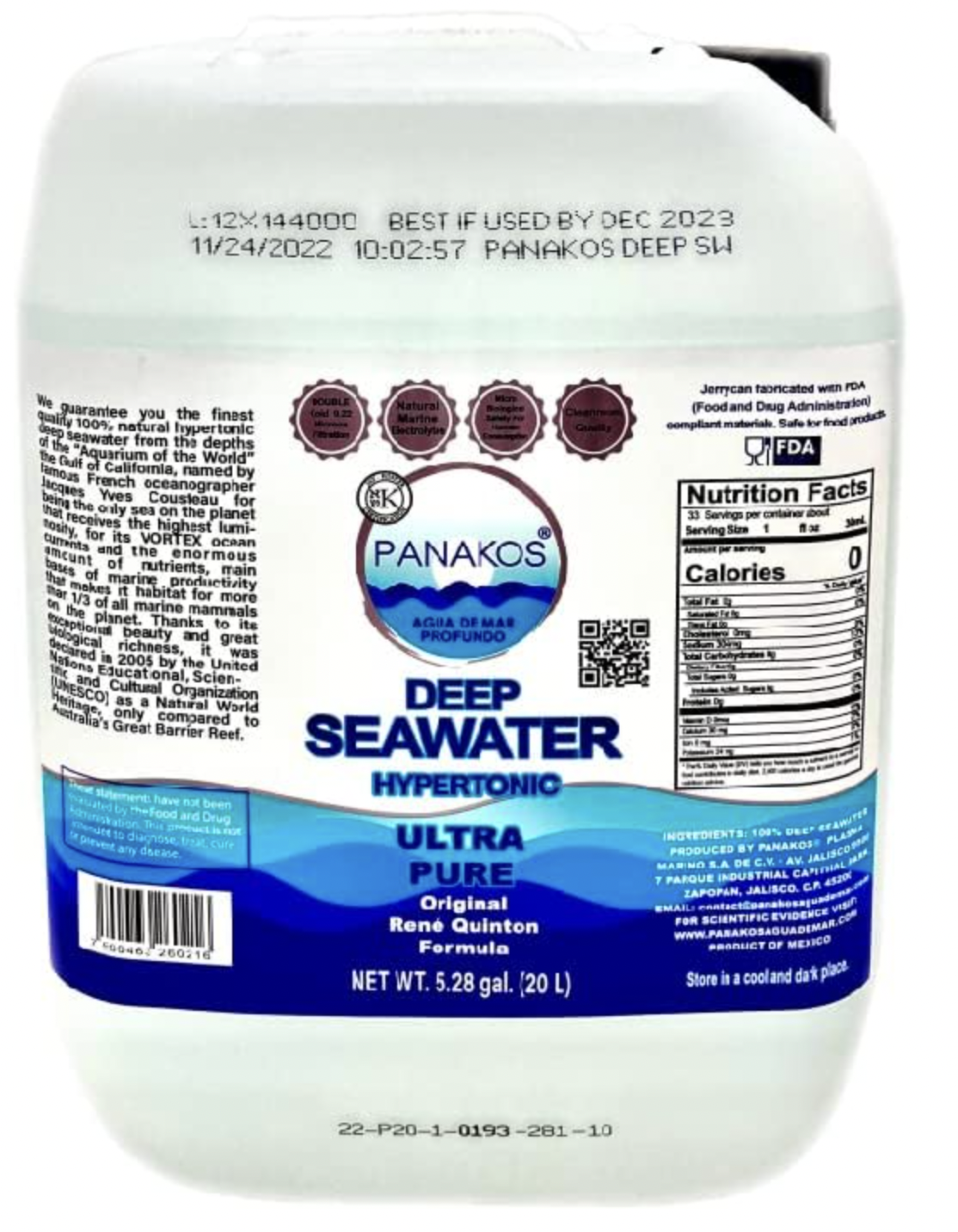
Click here to buy Panakos Sea Water Supplement.

Himalayan Sea Salt

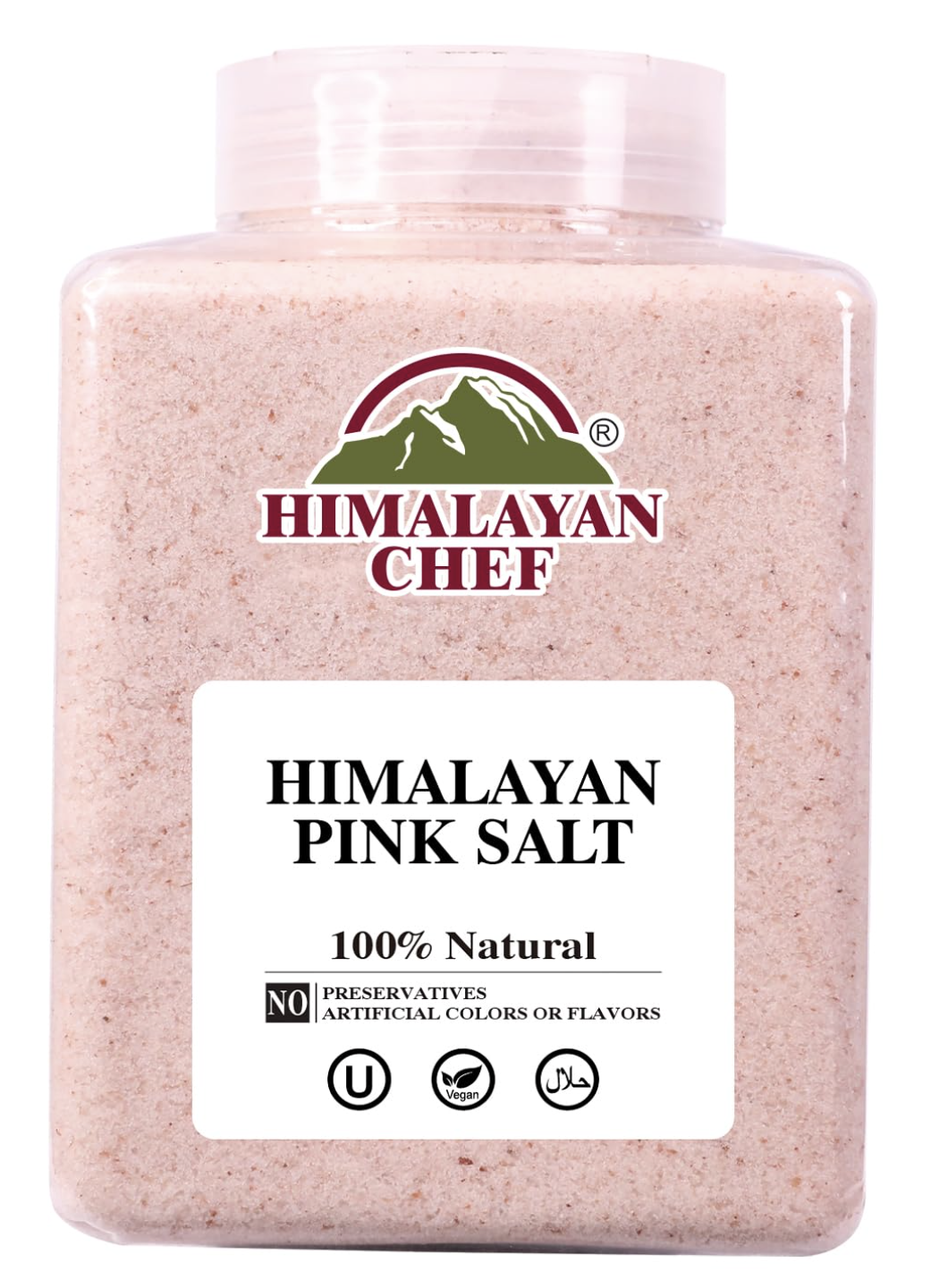
Replacing your table salt with Himalayan sea salt will increase your trace mineral consumption considerably. Himalayan sea salt contains balanced levels of trace minerals, though it may not contain the same range of trace minerals as the supplements noted above. Nonetheless, replacing your table salt with Himalayan sea salt can help your rebalance your trace mineral levels in the body.
 

Click here to buy Himalayan Sea Salt.


Resources:


FoodMinerals.org (2022). Trace Minerals – What They Are and How They Supplement Our Health? Retrieved June 14, 2022 from https://foodminerals.org/trace-minerals/ 

Douillard, J. (2021). For a Sluggish Gallbladder, Try These 4 Ayurvedic Herbs and Foods. Retrieved June 14, 2022 from https://lifespa.com/health-topics/liver-gallbladder/ayurvedic-herbs-bile-sludge-gallbladder-health/#4_Shilajit 

Ho, K. J. (1996). Biliary electrolytes and enzymes in patients with and without gallstones. Retrieved June 27, 2022 from https://pubmed.ncbi.nlm.nih.gov/9011451/ 

Kalra, A. et al. (2022). Physiology, Liver. Retrieved June 27, 2022 from https://www.ncbi.nlm.nih.gov/books/NBK535438/ 

Gubergrits, A. L. et al. (1989). Disruption of the electrolyte and microelement composition of gastric juice and bile in patients with chronic diseases of the hepatobiliary system.  Retrieved June 27, 2022 from https://pubmed.ncbi.nlm.nih.gov/2773439/ 

Moe, A. E. (1955). Electrolyte balance in gastrointestinal disease. Retrieved June 27, 2022 from https://pubmed.ncbi.nlm.nih.gov/13260927/ 

Himoto, T., Masaki, T. (2020). Current Trends of Essential Trace Elements in Patients with Chronic Liver Diseases. Retrieved June 27, 2022 from https://pubmed.ncbi.nlm.nih.gov/32674425/ 

Frommer, D. J. (1974). Defective biliary excretion of copper in Wilson’s disease. Retrieved June 27, 2022 from https://www.ncbi.nlm.nih.gov/pmc/articles/PMC1412902/ 

Lalama, M. A. and Saloum, Y. (2016). Nutrition, fluid, and electrolytes in chronic liver disease. Retrieved June 27, 2022 from https://aasldpubs.onlinelibrary.wiley.com/doi/full/10.1002/cld.526 

eHealthme.com (2022). Lithium carbonate and Gallbladder disorder - a phase IV clinical study of FDA data. Retrieved June 27, 2022 from https://www.ehealthme.com/ds/lithium-carbonate/gallbladder-disorder/ 

No Author (n.d.). Can Lithium Cause Gallbladder Problems? Retrieved June 27, 2022 from https://www.steadyhealth.com/topics/can-lithium-cause-gallbladder-problems 

Trace Minerals (2022). Why You Need Ionic Minerals. Retrieved June 27, 2022 from https://www.traceminerals.com/research/why-you-need-ionic-minerals 

Mohammadifard, N. et al. (2019). Electrolyte minerals intake and cardiovascular health. Retrieved June 27, 2022 from https://pubmed.ncbi.nlm.nih.gov/29543505/ 


You might be interested in these e-Books

Related Posts