How to Change Your Diet to Overcome Addiction
If you’re serious about overcoming an addiction, there are some dietary changes you can make to increase the odds of your success at overcoming addiction permanently, reduce cravings in the short-term, and to better your mood during the withdrawal process. The authors have included dietary suggestions below to improve your dopamine levels during detoxification and withdrawals and help you heal the dopamine receptors to ensure long-term success at overcoming addiction.The dietary suggestions we talk about below pertain to any type of addiction from methamphetamine addiction and opiate addiction to smartphone addiction or addiction to video games or even porn. The neurological basis of addiction is the same no matter what the object of addiction is and though you will not have to go through detox if you’re suffering from social media addiction, you will still experience a period of withdrawals that resembles the symptoms experienced by opiate or meth addicts. By following the anti-addiction diet guidelines below, you can help your brain recover more quickly and get control over your life with less mental and emotional pain and physical discomfort while reducing the chances of having a relapse.
Become an Expert. Do our Mucuna Pruriens Video Course.
Below are key changes you can make to your diet right now to experience profoundly positive changes within a short period of time:
-
- Avoid fast foods and junk foods
- Fast food includes food joints like McDonalds, Subway, Domino’s Pizza, Starbucks, Wendy’s, etc.
- Junk foods include pre-packaged snack foods like packaged cookies, potato chips, deep fried foods such as fried chicken and onion rings, chocolate bars, hot dogs, etc .
- Obviously, some of our readers are specifically trying to get rid of a fast food addiction. Mucuna pruriens is an herb for fast food addiction as well as other types of addiction. Note also that the Lugol´s iodine protocol is another powerful food addiction cure that can be administered in tandem with the addiction protocol. Please click here to read our Quick Start Guide to At Home Addiction Treatment to get started working with supplements to overcome for fast food addiction.
Click here to schedule a health coaching session with us.
- When you must eat dinner out, choose salads and other items that contain organic whole foods and NO REFINED SUGAR or CORN SYRUP.
- Do your research and consume only sweeteners like Stevia, Monk Fruit, or Raw, Organic, Unfiltered Honey. Check all ingredient labels as many of these natural sweeteners actually contain synthetic alcohols that can be counterproductive in an anti-addiction protocol.
Click here to do a free trial of EMDR online.
- Foods that contain sugar and corn syrup or that have a high glycemic index can cause your body to release large quantities of dopamine which can lead to a dopamine deficiency. This deficiency of dopamine caused by a “sugar crash” can lead to a relapse in people who are trying to overcome an addiction of any kind. This rule about avoiding refined sugars during the withdrawal process is important for anyone who wishes to overcome an addiction naturally. The consumption of refined sugars depletes dopamine reservoirs in the neurons quickly, which leads to the death of dopamine receptors (via dopamine flooding and dopamine drought) which, in turn, makes people susceptible to addictive behavior in a general way.
- Read the “Ingredients” section on the Nutrition Facts area of product labels to avoid foods that contain any refined SUGARS and CORN SYRUPS.
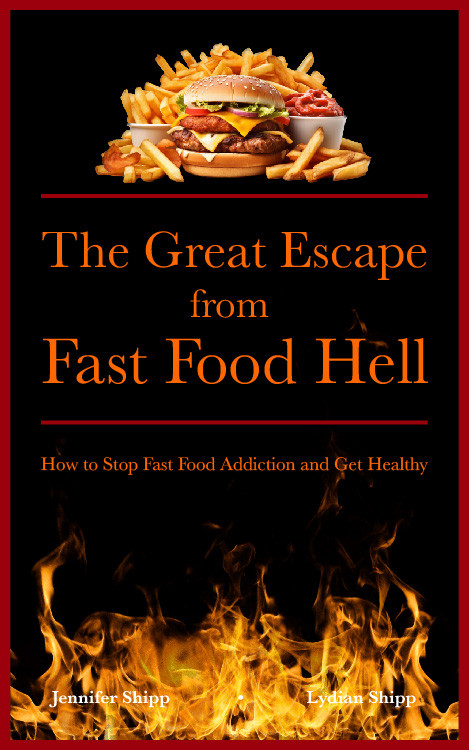 Click here to buy The Great Escape from Fast Food Hell: How to Stop Fast Food Addiction and Get Healthy.
- Eat a diet that contains a lot of raw, organic fruits and vegetables. Wash all fruits and vegetables to remove bromide and organophosphate residues. Click here to read more about bromide-containing insecticides and organophosphates.
- Avoid white rice and white bread which cause the body to react physiologically similarly to the consumption of refined sugars.
- Avoid coffee and other high-caffeine drinks (unless you are using caffeine to "switch addictions").
- Caffeine can cause a dopaminergic storm similar to what meth addicts experience. It can cause neurotransmitter imbalances in the brain. Instead of drinking coffee, take Mucuna pruriens, a bean that can be cooked and then added to foods like chili soup or even nacho cheese. In Central America Mucuna is colloquially known as Nescafe because it increases wakefulness but without the jittery feelings caused by caffeine.
- Avoid coffee and other high-caffeine drinks unless you plan to “switch addictions” from meth or cocaine to caffeine.
Click here to buy The Mucuna pruriens Protocol: Overcome Dementia, Addiction, ADHD, Mood and Mental Health Disorders.
- If you are vegan, switch to a diet that contains animal products until you have control over your addiction.
- A vegan diet (and even some vegetarian diets that are particularly low in animal products) can predispose people to addictive behaviors because the amino acid profile of vegan and vegetarian diets can lead to dopamine deficiency. A lack of essential amino acids like L-tyrosine is one of the causes of addiction. Click here to read more about how to use amino acid supplements to get rid of an addiction naturally.
Click here to subscribe to the DreamLight.app, a brain entrainment, guided meditation tool to reduce stress and overcome trauma.
-
- Consume Dr. Budwig’s Quark smoothie once per day to boost your omega fatty acid levels in the brain. This quick recipe will make a huge difference in your brain health within 2 to 3 weeks if you drink at least 1 Budwig Quark Smoothie every day. Click here to read more about The Budwig Protocol.
- The Budwig Quark Smoothie Recipe:
- 3 Tablespoons of cold-pressed, virgin organic flaxseed oil
- 6 Tablespoons of cow’s milk, goat’s milk, or high-fat coconut milk
Click here to buy The Anti-Addiction Encyclopedia.
An anti-addiction diet can make or break your at-home addiction treatment, but taking Mucuna pruriens with the supportive nutrients and trauma-informed therapies will help you stick to your treatment.Resources:
• Addiction Center (n.d.). What is Social Media Addiction? Retrieved December 9, 2020 from https://www.addictioncenter.com/drugs/social-media-addiction/
• Healthline (2005-2020). What is Social Media Addiction? Retrieved December 9, 2020 from https://www.healthline.com/health/social-media-addiction#:~:text=There's%20no%20such%20thing%20as,your%20physical%20and%20mental%20health.
• MedPage Today (2018). Stop Saying Social Media Addiction. Retrieved December 9, 2020 from https://www.medpagetoday.com/psychiatry/addictions/75194
• Murti, A. (2019). Using Social Media to Cope With Stress May Cause More Stress. Retrieved December 9, 2020 from https://theswaddle.com/social-media-stress-addiction/#:~:text=Using%20Social%20Media%20to%20Cope%20With%20Stress%20May%20Cause%20More%20Stress,-By%20Aditi%20Murti&text=This%20switching%20between%20activities%20happens,stress%2C%20as%20a%20coping%20mechanism.
• Pies, R. (2009). Should DSM-V Designate “Internet Addiction” a Mental Disorder? Retrieved December 17, 2020 from https://www.ncbi.nlm.nih.gov/pmc/articles/PMC2719452/
• Wikipedia. (2020). Internet Addiction Disorder. Retrieved December 17, 2020 from https://en.wikipedia.org/wiki/Internet_addiction_disorder#Signs_and_symptoms