Tabebuia impetiginosa / Handroanthus impetiginosus - Powerful Herbal Cure for Nervous System Conditions and Dementia
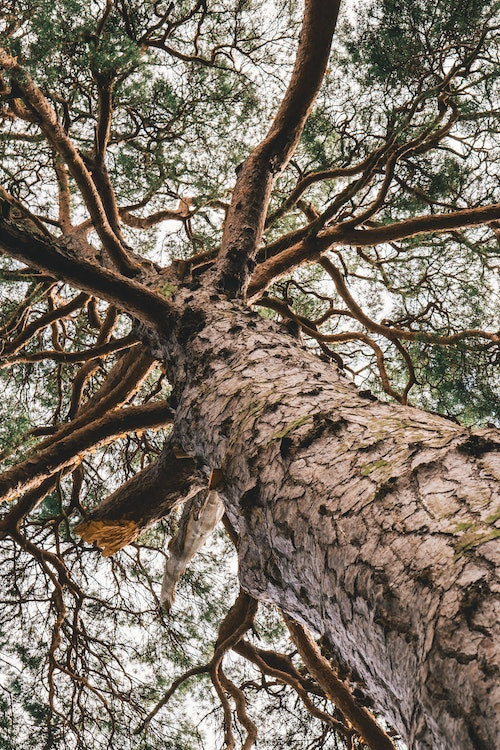
Pau d’Arco / Tabebuia impetiginosa / Handroanthus impetiginosa has been on the record as an important herbal remedy for a number of serious diseases since the 1870’s. It’s the inner lining of the bark (the phloem) of the Pau d’Arco tree that’s used to make teas and poultices to treat disease. Unfortunately, many companies that produce Pau d’Arco products use all of the bark, not just the phloem. The phloem is the only part of the tree that has strong medicinal properties, so the use of all the bark (not just the phloem) can dilute the medicinal properties of this herbal remedy. As a result, it’s important that patients find a supplier who offers a high-quality product consisting of only the phloem.Pau d’Arco has a broad spectrum of effects on healing the body. It has been used to cure cancer and it was particularly popular in Brazil for this disease until big pharmaceutical companies forbid hospitals to prescribe the herb. There are a number of different varieties of Pau d’Arco teas and capsules on the market, but patients who are interested in using it to help prevent the progression of Parkinson’s disease, Multiple Sclerosis, Amyotrophic Lateral Sclerosis, or Lewy body dementia should seek out Lapacho (also known as Tabebuia impetiginosa). Not all Pau d’Arco trees are as powerful medicinally as Lapacho.
Click here to schedule a health coaching session with us.
Pau d’Arco has the following properties:- Anti-parasitic
- Anti-bacterial
- Anti-microbial
- Anti-viral
- Anti-fungal
- Anti-inflammatory
- Analgesic
- Antioxidant
- Astringent
- Laxative
- Anti-histamine [1][3]
- Anti-diabetic
- Anti-cancer
Lapachol has been used to treat wounds, malaria and other tropical diseases, colitis, respiratory infections, fevers, inflammation in the body, ulcers and boils, and aches and pains. It has the ability to cleanse the blood, reduce inflammation, and inhibit the growth of harmful microorganisms [1].
Click here to buy dried Lapacho bark.
Lapacho can be used as a treatment for dementia too. Lapacho contains beta-lapachone, an ingredient that catalyzes a molecule called NAD+ (see the chapter on the vitamin niacin and the vitamin B complex chapter for more information about why this is important for dementia patients). By increasing NAD+ levels in the body, Lapacho can help improve mitochondrial ATP production.
Lapacho contains quercetin, an antioxidant that can cleanse the blood and fight inflammation in the body as well as viral illnesses. Short-term, acute inflammation can be beneficial, but chronic inflammation that occurs as a result of degenerative disease can create a downward spiral. Ongoing inflammatory processes are ultimately destructive. By treating inflammation in the body, Lapacho can diminish the severity of all degenerative diseases.
Lapacho contains the mineral selenium which is known for its ability to remove toxicities such as mercury or heavy metals from the body. This may also explain the value of this herbal medicine for dementia. Since heavy metals such as aluminum and mercury are often implicated in the research for their roles in causing dementia, drinking Lapacho tea several times a day can be beneficial to patients’ overall health.
Click here to buy Pau d'Arco / Tabebuia impetiginosa extract.
Contraindications
Little research has been done on Lapacho, so it’s safety profile for long-term use isn’t very well-established. The hydroquinone compounds found in the plant could cause liver or kidney damage as a result of long-term use so monitor liver and kidney function and take time off periodically from consuming the tea [3].Pau d’Arco can cause blood clotting, so it shouldn’t be used by anyone with a clotting disorder or anyone using blood-thinning medications [3].
 Click here to buy the book, Everything You Never Wanted to Know About the Treatment of Chronic Pain... and How to Avoid Painkillers That Will Eventually Kill You.
Resources:
• [1] Dr. Joseph Mercola (2018). The Many Benefits of Pau d’Arco. Retrieved January 9, 2017 from https://articles.mercola.com/sites/articles/archive/2018/04/02/pau-d-arco-benefits.aspx
• [2] Ruggeri, C. (2015) Pau D’arco Tea -- Fights Candida, Cancer, & Inflammation. Retrieved January 9, 2019 from https://draxe.com/pau-darco-tea/
• [3] Wong, C. (2018). Pau d’Arco Benefits and Uses: What Should You Know About It? Retrieved January 7, 2019 from https://www.verywellhealth.com/what-is-pau-darco-89494
• [4] Boroch, A. (2019). How I Cured My Multiple Sclerosis (MS) with Diet and How You Can Too. Advice from a Naturopath. Retrieved June 24, 2019 https://www.furtherfood.com/cure-multiple-sclerosis-naturally-heal-ms-diet-supplements-naturopath-advice/