Search posts:

Disease Family Trees: How Closely Related Are Lewy Body Dementia, Parkinson’s Disease, Guillain-Barre Syndrome, Delirium Tremens,and Multiple Sclerosis?

Posted By Jennifer Shipp | Feb 08, 2020

DISCLAIMER: CONSULT WITH A DOCTOR BEFORE DECIDING ON A TREATMENT PLAN FOR ANY DISEASE.

ome links may be affiliate links. We may get paid if you buy something or take an action after clicking one of these. We use this revenue to keep the site free to you.

BEFORE YOU READ THIS ARTICLE...
Be sure to take a look at a few of our e-Books titles below that might pertain to your health search:
Disease Family Trees help explain how different diseases are related and why a particular treatment may be effective against a range of illnesses with very different symptoms (or similar symptoms) rather than just one specific disease.

Introduction to Disease Family Trees

Lewy body dementia / LBD has not been studied as extensively as Parkinson’s disease / PD, but despite this, doctors who work with these diseases have noted that there’s very little difference between Lewy body dementia and Parkinson’s disease. If the patient develops dementia symptoms first and Alzheimer’s disease has been definitively ruled out, then the diagnosis is Lewy body dementia (LBD). If the patient develops tremors, the diagnosis is Parkinson’s disease (though many Parkinson’s patients go on to develop signs and symptoms of Lewy body dementia later). 

Click here to schedule a health coaching session with us.

But what about other neurodegenerative diseases? There are a number of them including:


  • Amyotrophic lateral sclerosis / ALS

  • Multiple sclerosis / MS

  • Alzheimer’s disease

  • Vascular dementia
  •  
  • Frontotemporal dementia
  • Huntington’s disease / Huntington’s chorea

  • Multiple system atrophy

  • Tauopathies

  • Prion diseases

    • Creutzfeldt-Jakob disease

    • Fatal Familial Insomnia

  • Epilepsy

  • Tourette’s syndrome

  • Freidrich’s ataxia

  • Tardive dyskinesia

  • Mania

  • Myasthenia syndrome

  • Guillain-Barre Syndrome

  • Delirium Tremens


Biomedical research has shown that there are similarities among these various diseases at the subcellular level. Abnormal protein assembly is common to all of the diseases listed above and the subsequent induction of cell death. As such, a therapeutic advancement in regard to one disease can often be effect against other neurodegenerative diseases as well. 


Alternative and complementary medicine practitioners and holistic health professionals who are familiar with the staple cancer cures that are used in treatment centers outside the U.S. know that all degenerative diseases have common denominators, namely deficiencies of various vitamins and minerals (in particular iodine, vitamin K2, and vitamin B17), an acidic physiological profile, heavy metal poisoning, and low cellular voltage. So, for holistic practitioners, it isn’t hard to see that Parkinson’s disease and Lewy body dementia are really different expressions of the same disease. Nearly all degenerative diseases from arthritis to Lewy body dementia can benefit from vitamin B17 supplements (or a daily dose of bitter, raw, organic apricot kernels if you're a U.S. citizen). Indeed, amyotrophic lateral sclerosis / ALS and multiple sclerosis / MS seem to be a part of the same disease family tree too (we’ll talk more about that below). The good news is, though, if these diseases are all related, holistic or integrative treatments that are identified for one disease may very well be relevant for treating the other diseases too despite their differences. Lewy body dementia is a relatively new diagnostic label in conventional medicine which means that there is very little formal research to guide doctors and patients and little anecdotal information about what works and what doesn’t. The fact that LBD and PD seem to be the same disease is, in some ways, excellent news because it means that research and treatments for Parkinson’s disease (in particular) are likely to be helpful in treating Lewy body disease naturally. If you're searching for a Lewy body dementia cure online, you might also search for a cure for Parkinson's disease to see what kind of treatments exist for this disease since they seem to be expressions of the same set of physiological issues.

Studies have shown that, like Lewy body dementia, Alzheimer’s disease, and Parkinson’s disease, acetylcholine plays a major role in the development of amyotrophic lateral sclerosis. Patients with all of these diseases tend to show some improvement as a result of choline or lecithin supplementation (precursors to acetylcholine). Additionally neurological diseases like ALS, PD, and LBD along with Tourette’s Syndrome, Friedrich’s Ataxia, Tardive Dyskinesia, Huntington’s chorea, Mania, Myasthenia syndrome, and Multiple Sclerosis / MS can all be treated using stem cell therapies. Stem cell therapies have evolved over the years such that doctors can now use the patient’s own cells for the stem cell treatment rather than using donor embryo cells. This is safer for patients and thus, it is good news, though there are limits in terms of what stem cell treatments can accomplish. These diseases and disorders all have different manifestations, but many of them can benefit from the same nutritional approaches, the ketogenic diet for example. Those who are looking for a dementia cure should consider starting with dietary changes, if possible to see if diet has an impact in the progression of the disease. If it does, that could be a clue that could propel you to yet additional curative options.


Conventional medicine looks for differences between diseases rather than looking for similarities. By creating many different categories and labels for different diseases that are actually very similar and closely related, patients become dependent on their doctors to determine which drugs specifically should be used to treat their condition. But when we look at diseases in terms of their similarities and consider the fact that these disease family trees often respond to the same basic approach to healing, the patient is empowered. Many cures for diseases then begin to emerge and people look for a connection in terms of symptoms rather than discreet labels for disease. 


A wide variety of neurological diseases including dementia can be treated using a combination of the following strategies:


  • Ketogenic Diet

  • Vitamin and mineral supplementation

  • Heavy metal chelation therapy

Click here to buy Choline / Inositol.


Anyone who has been diagnosed with a serious nervous system disorder including any type of dementia or movement-related disorder should also look closely at the Guillain-Barre syndrome which is essentially the same disease as multiple sclerosis. In Guillain-Barre syndrome, patients experience nervous system symptoms due to de-myelination of the peripheral nervous system fibers. In contrast, MS typically involves de-myelination of the central nervous system nerve fibers. But in reality, there is no actual line-in-the-sand between the peripheral nervous system and the central nervous system. Doctors and scientists have linguistically created a line between these two areas of the nervous system but they are connected and they run continuously through and within one another. But while Guillain-Barre Syndrome has strong scientific associations with infection, surgery, and vaccine administration as triggers for the disease, MS is a heavily guarded medical paradigm that consensus science says cannot be caused by an infection or vaccine administration. Scientific research by scientists who are willing to think outside of the box has proven otherwise, but the media only rarely covers this data and consensus scientists refuse to admit that MS could be caused by an initial infection, vaccine administration, or a surgical procedure that triggers it. Nonetheless, if you or a loved one is suffering from a progressive nervous system disease, look closely at using Chlorine Dioxide Solution and Dimethylsulfoxide to treat underlying infections along with aggressive vitamin B therapies. Be sure to read about the herb, Salvia divinorum, a sacred indigenous plant medicine that re-myelinates nervous system tissues. We have written about vitamin B12 and dementia as well as vitamin B1 deficiency symptoms, but all B vitamins have a healing effect on the nervous system and many people with nervous system diseases also have vitamin B deficiencies. Be sure to also read about cancer as a vitamin B17 deficiency


Become an Expert. Do our Anticancer Video Course Series Online.

We also need to note that Delirium Tremens (DTs), a disorder caused by chronic alcoholism, is also related to Parkinson's disease, Lewy body dementia, Guillain-Barre syndrome, and multiple sclerosis. Indeed, taking a closer look at Delirium Tremens as a disease that’s in the same family tree as these other neurological disorders can shed light on possible treatments for all of these health issues. Alcoholism has recently been linked to the problem of insulin resistance which is thought-provoking to say the least, especially given the fact that certain types of seizures are caused by changes in insulin sensitivity in the body. Small doses of alcohol can, in fact, lessen some of the negative effects of insulin resistance by helping nutrients that are dependent on insulin to get into human cells when the cells are resistant to the effect of insulin. Insulin works to unlock the cell membrane to allow not just sugars, but also medicines, and other nutrients gain access to the cell. Without nutrients and sugars, cells go dormant and eventually they can also die. It makes sense that people with alcoholism would crave alcohol if it helps them feel more wakeful and more alive (as it would if the alcohol is potentiating insulin to open cells to nutrients and sugars). High doses of alcohol, however, are toxic for the body and for human cells.  High dose vitamin B3 / niacin can be extremely beneficial for those with alcoholism but high-dose B3 has also been used successfully to treat dementia, delirium tremens, schizophrenia, and autism. Alcoholics also take high dose vitamin B2.


Click here to read more about insulin resistance and alcoholism.
 

Click here to buy a Vitamin B100 Complex Supplement.


In terms of epileptic seizures, menstruation is a known trigger for women in part because, during a woman’s menstrual cycle, her insulin sensitivity changes. As insulin sensitivity changes, her brain becomes more or less receptive to blood sugar which can lead to seizures like those experienced by diabetics when their blood sugar gets too high. Women who experience seizures before their menstrual period are diagnosed with catamenial epilepsy but these seizures are related to both diabetes and alcoholism and some of the natural treatments that work very well to treat diabetes and alcoholism may also work to treat catamenial epilepsy.


Also note that alcoholism-induced delirium tremens is powerfully related to Parkinson's disease and Lewy body dementia (again noting that these two diseases are basically the same disease but with different symptoms headlining during the initial presentation of the disease). Delirium tremens involves both tremors (which makes it similar to Parkinson's) as well as hallucinations (which makes it similar to Lewy body dementia). But, in addition to noting that vitamin B3 and B2 deficiency can cause tremors and hallucinations, it is also worth noting that trauma exposure is something that can cause tremors as well as hallucinations, yet trauma can be released using trauma-informed therapies so that the body can be allowed to heal. Trauma is more of a psychological construct, of course, but actually, trauma psychology (as a relatively new discipline) and trauma-informed therapy focuses almost exclusively on a part of the body that represents the mind-body interface: the autonomic nervous system and the endocrine system. This part of the nervous system and endocrine system is where we store any experience felt threatening in which we did not run, scream, fight, or complete the action that our bodies felt like we needed to do in order to survive. For example, if you are in a car accident and you get pinned inside the car, you likely felt like running away, but you couldn’t. This desire to run and save yourself gets trapped inside the body and when it releases, the body shakes uncontrollably. 


https://www.youtube.com/watch?v=xDlR-wl7iFI

The natural reflex that our human bodies have to “shake off” trauma is usually overridden by the left-hemisphere of the brain in the modern world. Is this the underlying cause of a patient’s “tremors”? Is the body trying to download trauma and release it through these tremors? Of course, it’s possible that the movement issues that are present in some forms of neurodegenerative disease are actually related to trauma. In some patients, trauma may be a driving factor. In other patients, nutrient deficiencies or other issues may be a more powerful underlying cause. But trauma-informed therapies are a do-no-harm type of treatment so, if you’re committed to overcoming dementia, one of these treatments can be beneficial if scheduled on a weekly or bi-weekly basis.


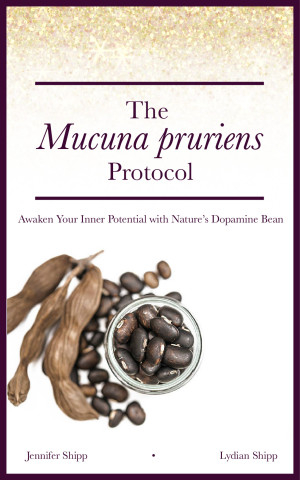
The dopamine neurons play a role in addiction, but they also play a major role in Parkinson's disease, Lewy body dementia, and any disease that involves tremors or movement-related issues. If you suffer from any of the neurological disorders that we've discussed in this article, consider learning more about Mucuna pruriens, an herb that supports dopamine production and dopamine receptor growth along with Methylene Blue, N-Acetyl-Cysteine, vitamin C, and vitamin B100 complex. Another approach to treating dopamine-related movement disorders involves a change to either the ketogenic or the carnivore diet, both of which provide a massive supply of proteins that can be used to build neurotransmitters that the body needs for proper functioning.


Click here to buy Mucuna pruriens.


The opioidergic system has also been studied in terms of its role in various forms of dementia including Alzheimer’s, Parkinson’s, and Lewy body dementia. An herbal remedy for neurodegenerative disease like Mitragyna speciosa / kratom, is able to modulate, rather than block, the dopamine receptors as well as other enzymes and receptors in the nervous system via the delta- and kappa-opioid receptors. Kratom has the ability to modulate blood sugar levels as well, which makes it beneficial in diseases like epilepsy. The kappa-opioid receptors are the same opioidergic receptors that are stimulated by Salvia divinorum to re-myelinate nervous system tissue and indeed, kratom seems to have a positive impact on dementia patients perhaps because of its ability to prevent or stop production of amyloid plaques and its ability to heal damaged nerves. 


Studies have shown that in Alzheimer’s disease patients, opioid receptor modulation can slow or halt the progression of Alzheimer’s disease. Not only is it a powerful pain reliever, but it also has a healing and generally modulating effect on the nervous system. In Parkinson’s and Lewy body dementia, the kappa-opioid receptors also play a role in modulating dopamine receptors, but delta-opioid receptors seem to play a powerful neuroprotective role as well. 


Click here to buy Kratom.

Prion Diseases


Prion diseases are a type of neurodegenerative disease that progresses rapidly to death. Though they vary in terms of origin, they all share one thing in common: all involve the accumulation of misfolded proteins that cause microscopic holes in brain tissue. The misfolded proteins occur naturally in the body, but they’re presented in a twisted, abnormal shape. Once this abnormal prion protein (PrP) is presented, it acts as a template that forces other, normal proteins to misfold too. 


Prions don’t contain any genetic material but nonetheless, they’re viewed as “infectious proteins”. They might arise from our own genetic code inside of our own cells or they might develop as a result of exposure to contaminated tissues (such as consumption of mad cow meat or exposure to medical instruments). Because they lack genetic material, they can be very resistant to treatment, especially in conventional medicine. They tend to clump together, killing nerve cells and leaving sponge-like holes in the gray matter of the brain. This damage produces symptoms of neurodegeneration including memory loss, dementia symptoms, personality changes, and severe movement and coordination issues. 


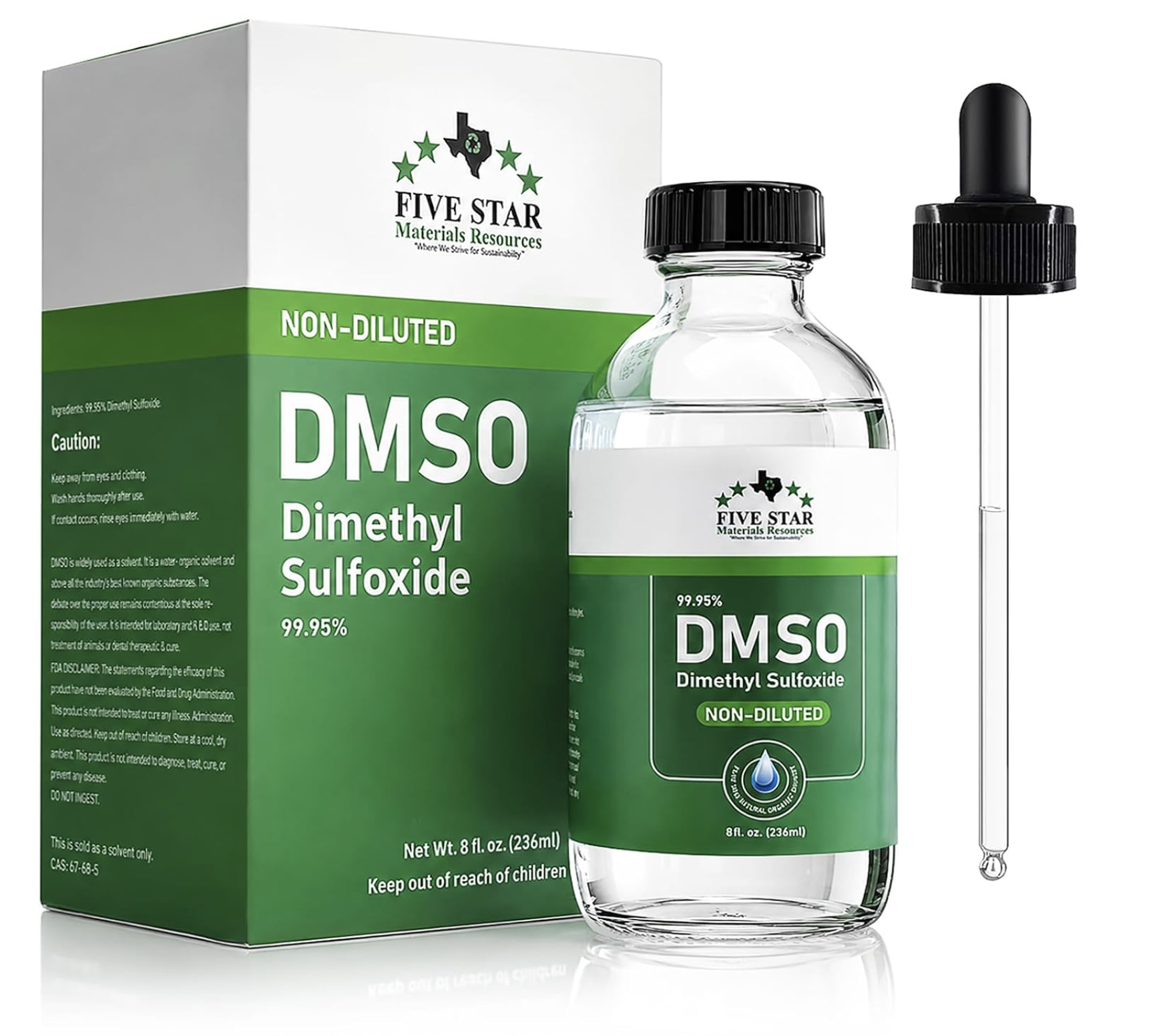
Despite the grim prognosis in conventional medicine, some studies have shown that dimethylsulfoxide (DMSO) can cure a range of prion variants. DMSO works more quickly and more efficiently than guanidine hydrochloride, another prion curing agent. In animals with prion diseases, DMSO can reduce the accumulation of prion proteins and inhibit their aggregation in vitro, prolonging incubation time. In humans, DMSO has been used successfully to treat various amyloid diseases too. So while prion diseases tend to have a very bleak prognosis, scientists have suggested that with the use of DMSO as one of several medicinal agents used to target these diseases, it is possible to overcome them.

Click here to buy DMSO.

Final Words

There are many types of neurodegenerative disease. Some doctors assert that all dementias are vascular dementias. In other words, there are doctors who have noted that all dementias involve a lower-than-usual blood flow to the brain as a major feature. But vascular insufficiency can’t explain issues like prion diseases and movement disorders that involve the peripheral nervous system. Nonetheless, it can be helpful to group diseases together and consider simple answers to what seem to be very complex problems. This is the whole goal of disease family trees – to find the patterns in the data.


Conventional medicine tries to create separation and division from one disease to the next such that patients must rely on their doctors for a very limited set of treatments for neurodegenerative diseases, but by looking at neurodegenerative disease holistically, it's easy to see that there are many treatments that can be administered to slow the progression of movement issues, brain and nerve degeneration, and a detachment from reality. Disease family trees can help us understand dementia from an entirely different perspective, opening up new treatment possibilities and new hope for patients and their loved ones.


Resources


O’Brien, John, Ames, D., McKeith, I., Chiu, E. (2005). Dementia with Lewy Bodies and Parkinson’s Disease Dementia. CRC Press.


Bollinger, T. (2014-2018). Iodine Deficiency Symptoms (and How to Get Enough Iodine). Retrieved December 26, 2018 from https://thetruthaboutcancer.com/iodine-deficiency-symptoms/


Piccone, N. (2011). The Silent Epidemic of Iodine Deficiency. Retrieved December 26, 2018 from https://www.lifeextension.com/magazine/2011/10/The-Silent-Epidemic-of-Iodine-Deficiency/Page-01 


Kapil, U. (2007). Health Consequences of Iodine Deficiency. Retrieved December 26, 2018 from https://www.ncbi.nlm.nih.gov/pmc/articles/PMC3074887/ 


Fletcher, B. (2107). Increasing Niacin Intake May Benefit Parkinson’s Patients. Retrieved January 7, 2019 from https://www.laboratoryequipment.com/news/2017/01/increasing-niacin-intake-may-benefit-parkinsons-patients 


Mak, E., Su, L., Williams, G. B., O’Brien, J. T. (2014). Neuroimaging characteristics of dementia with Lewy bodies. Retrieved January 7, 2019 from https://www.ncbi.nlm.nih.gov/pmc/articles/PMC4055038/ 


LBDA: Lewy Body Dementia Association (2018). What Is LBD? Retrieved January 7, 2019 from https://www.lbda.org/go/what-lbd-0 


Marks, Lynne, (1996-2015). What Is a Goiter? Retrieved January 9, 2019 from https://www.everydayhealth.com/thyroid/guide/goiter/ 


Foster, H. D. (1987). Disease family trees: The possible roles of iodine in goitre, cretinism, multiple sclerosis, amyotrophic lateral sclerosis, Alzheimer’s, and Parkinson’s diseases and cancers of the thyroid, nervous system and skin. Retrieved June 22, 2019 from https://www.sciencedirect.com/science/article/abs/pii/0306987787900727


Palma, E., Reyes-Ruiz, J. M., Lopergolo, D., Roseti, C., Bertollini, D., Ruffolo, et al. (2016).  Acetylcholine receptors from human muscle as pharmacological targets for ALS therapy. Retrieved June 22, 2019 from https://www.ncbi.nlm.nih.gov/pmc/articles/PMC4801305/ 


Tanner, C. M., Goetz, C. G., Klawans, H. L. (1982). Cholinergic mechanisms in Tourette syndrome. Retrieved June 22, 2019 from https://www.ncbi.nlm.nih.gov/pubmed/6957735


Bilsland, L. G., Greensmith, L. (2018). The endocannabinoid system in amyotrophic lateral sclerosis. Retrieved June 22, 2019 from https://www.ncbi.nlm.nih.gov/pubmed/18781981 


Cai, Z. & Ratka, A. (2012). Opioid system and Alzheimer’s disease. Retrieved June 8, 2026 from https://pubmed.ncbi.nlm.nih.gov/22527793/ 


Barbeau, A. (1978). Emerging treatments: replacement therapy with choline or lecithin in neurological diseases. Retrieved June 22, 2019 from https://www.ncbi.nlm.nih.gov/pubmed/148319


Wood, J. L., Allison, R. G. (1982). Effects of consumption of choline and lecithin on neurological and cardiovascular systems. Retrieved June 22, 2019 from https://www.ncbi.nlm.nih.gov/pubmed/6754453


Whitman, H. (2014). First stem cell model for bipolar disorder could lead to new treatments. Retrieved June 22, 2019 from https://www.medicalnewstoday.com/articles/274606.php


Sandoiu, A. (2017). Parkinson’s: Stem cells restore nerve function in monkeys.  Retrieved June 22, 2019 from https://www.medicalnewstoday.com/articles/319172.php 


Huang, J. Z. et al. (2018). The delta-opioid receptor and Parkinson’s disease. Retrieved June 8, 2026 from https://pmc.ncbi.nlm.nih.gov/articles/PMC6489828/ 


Choi, K. A., Choi, Y., Hong, S. (2018). Stem cell transplantation for Huntington’s diseases. Retrieved June 22, 2019 from https://www.ncbi.nlm.nih.gov/pubmed/28867501 


Tanguturi, P. and Streicher, J. M. (2023). The role of opioid receptors in modulating Alzheimer’s Disease. Retrieved June 8, 2026 from https://pmc.ncbi.nlm.nih.gov/articles/PMC10014470/ 


Americans for Cures (2019). How can stem cells help treat or cure Huntington’s disease? Retrieved June 22, 2019 from https://americansforcures.org/big_question/how-can-stem-cells-help-treat-or-cure-huntingtons-disease/


Tardive Dyskinesia Stem Cell Therapy. Retrieved June 22, 2019 from https://www.youtube.com/watch?v=UcSN8UQg0RQ 


Linus Pauling Institute - Oregon State University (2019) Choline. Retrieved June 22, 2019 from https://lpi.oregonstate.edu/mic/other-nutrients/choline


Epilepsy Foundation (2026). Menstruation as a Seizure Trigger. Retrieved June 30, 2026 from https://www.epilepsy.com/what-is-epilepsy/seizure-triggers/menstruation 


Verotti, A, et al. (2012). Diagnosis and management of catamenial seizures: a review. Retrieved June 30, 2026 from https://pmc.ncbi.nlm.nih.gov/articles/PMC3469236/ 


Zerr, I. et al. (2024). Creutzfeldt-Jakob disease and other prion diseases. Retrieved June 30, 2026 from https://pubmed.ncbi.nlm.nih.gov/38424082/ 


Dorweiler, J. E. et al. (2020). DMSO-mediated curing of several yeast prion variants involves Hsp104 expression and protein solubilization, and is decreased in several autophagy related gene (atg) mutants. Retrieved June 30, 2026 from https://pmc.ncbi.nlm.nih.gov/articles/PMC7058316/ 


Shaked, G. M. et al. (2003). Dimethyl sulfoxide delays PrPsc accumulation and disease symptoms in prion-infected hamsters. Retrieved June 30, 2026 from https://www.sciencedirect.com/science/article/abs/pii/S0006899303030452 


You might be interested in these e-Books

Related Posts